Detoxification Services in Islamabad 2026 | Umeed e Shifa
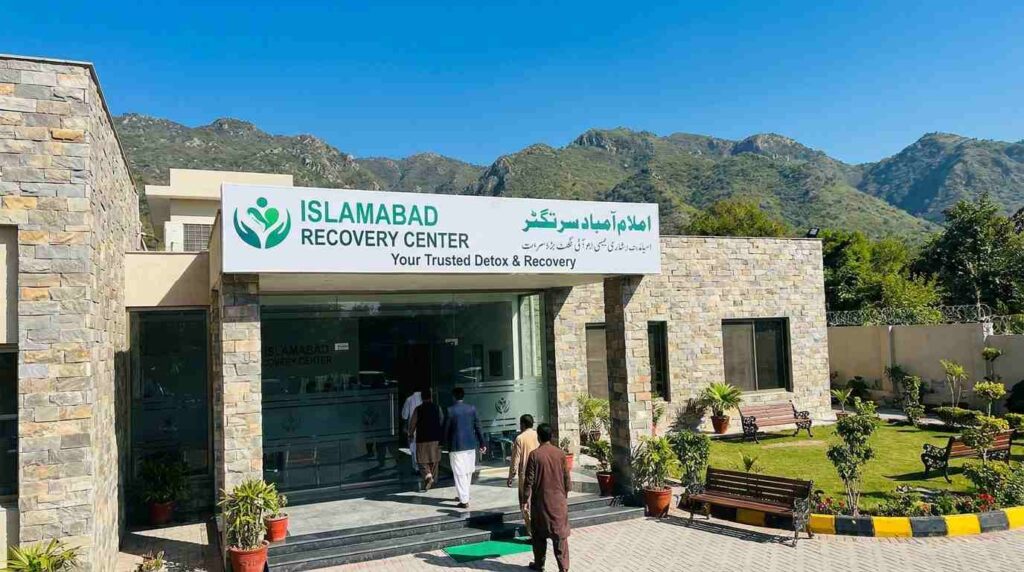
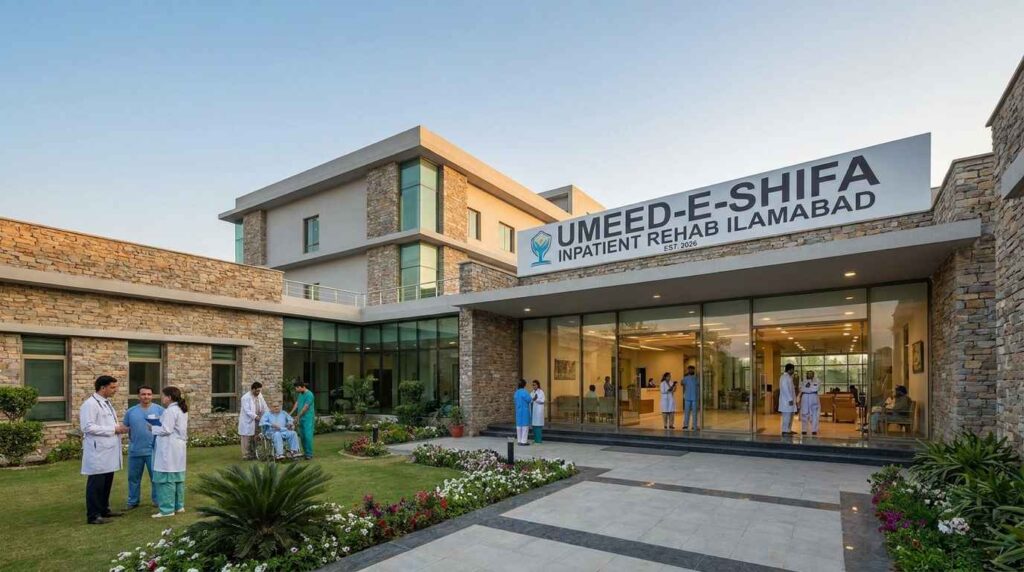
When someone in your family is using drugs or alcohol and you’re trying to figure out what to do next, the first question isn’t philosophical. It’s immediate: where do I go, what happens there, and is it safe? In Islamabad, and specifically in Bani Gala, Umeed e Shifa Rehabilitation Center provides medically supervised detoxification services for individuals dealing with substance dependence. This guide explains what detox actually involves, who needs it, what the Bani Gala facility offers, and what to realistically expect during the process—so you can make this decision with full information, not just hope. What Is Detoxification and Who Actually Needs It? Detoxification, in a clinical context, is the medically supervised process of clearing addictive substances from the body while managing withdrawal symptoms safely. It’s not the same as willpower. It’s a medical intervention. Not every person struggling with substance use needs a full detox program. The need for supervised detox is highest when: Alcohol and benzodiazepine withdrawal can be life-threatening without medical supervision. That’s not a precaution—it’s physiology. Opioid withdrawal, while rarely fatal, is intensely uncomfortable and is one of the leading causes of relapse in the first 72 hours. Both situations require clinical oversight, not just moral support. The Difference Between Detox and Rehabilitation This distinction matters, and most families confuse the two early on. Detox clears the substance from the body. Rehabilitation addresses the psychological, behavioral, and social factors that drove the use in the first place. Detox alone has poor long-term outcomes. According to the Substance Abuse and Mental Health Services Administration (SAMHSA, 2022), patients who receive detox without follow-up behavioral treatment have significantly higher relapse rates within 30 days compared to those who proceed directly into structured rehabilitation. At Umeed e Shifa, detox is designed as the entry point to a longer recovery journey, not a standalone fix. Detoxification Services at Umeed e Shifa Rehabilitation Center, Bani Gala Umeed e Shifa is located in Bani Gala, Islamabad—a quieter, greener part of the capital that offers the environmental separation many patients need during early recovery. Distance from the city, from familiar triggers, and from drug supply networks is not incidental. For patients in the acute phase of withdrawal, it’s therapeutically relevant. The facility provides: The Bani Gala setting is not simply a location choice. Patients who enter detox in environments that minimize environmental cues associated with drug use tend to report lower acute craving intensity during the early withdrawal phase—a pattern observed consistently in residential detox settings across clinical literature. What Happens on Day One Admission begins with a full clinical assessment. This includes substance use history, current health status, mental health screening, and vital signs. The medical team uses this intake to determine the appropriate detox protocol—what medications, what monitoring intensity, what timeline. Most patients are not in a condition to make decisions clearly during this window. That’s expected. The responsibility shifts temporarily to the clinical team, and that’s appropriate. Families are typically given guidance on communication during this phase—when to call, what to say, and what not to say. Medication-Assisted Treatment During Detox MAT is not a crutch or a substitution of one drug for another. It’s an evidence-based intervention that reduces the severity of withdrawal symptoms, lowers seizure risk, and keeps the patient stable enough to begin the therapeutic work that follows. At Umeed e Shifa, medication protocols are determined by the attending physician and adjusted based on the patient’s daily response. Common medications used in supervised detox settings in Pakistan include: Substance Common Withdrawal Risk MAT Approach Alcohol Seizures, delirium tremens Benzodiazepines (supervised taper) Heroin / Opioids Intense physical pain, relapse risk Buprenorphine or clonidine-based protocols Benzodiazepines Seizures, rebound anxiety Slow taper under supervision Tramadol Opioid-type withdrawal + SSRI effects Combined management Stimulants (meth, cocaine) Crash, depression, suicidal ideation Supportive care, psychiatric monitoring Note: Specific medications and protocols vary by patient and should be confirmed with the clinical team at the time of admission. Why Bani Gala? The Setting Isn’t Just Aesthetic It would be easy to read “Bani Gala” as marketing language for a nice view. It’s more than that. Recovery research consistently supports the role of environmental separation in early detox success. A 2021 review published in the Journal of Substance Abuse Treatment noted that residential settings removed from urban drug supply networks reduce unsupervised substance access during treatment—one of the most common failure points in outpatient detox. For families in Islamabad, Rawalpindi, or surrounding areas, Bani Gala is close enough to be accessible for family visits but separate enough to matter clinically. That balance is harder to find in facilities closer to the city center. This isn’t a judgment on urban facilities. It’s a practical observation about what early detox actually requires. How Long Does Detox Take? The short answer: it depends on the substance, the duration of use, and the individual’s physical health. Here are realistic timelines: Substance Typical Detox Duration Peak Withdrawal Window Alcohol 5–10 days 24–72 hours after last drink Heroin / Opioids 7–14 days 48–96 hours after last use Benzodiazepines 10–21 days 2–7 days (can extend) Tramadol 7–10 days 48–72 hours Cannabis 5–7 days 24–72 hours These are averages. Patients with longer use histories, higher daily doses, or health complications often take longer. Rushing detox to meet an arbitrary timeline is a clinical mistake. Any facility that guarantees a three-day detox without assessing the patient first should be treated with skepticism. What Families Need to Know Before Admission Most families arrive at this decision after a crisis—an overdose, an arrest, a collapse, or a moment where denial stopped being possible. That’s normal. You’re not behind. But there are several things worth knowing before you make the call: Common Misconceptions About Detox in Pakistan “Detox means cold turkey.” It doesn’t. Medically supervised detox almost always involves medications to manage withdrawal safely. Cold turkey is dangerous for alcohol and benzodiazepine dependence. It’s also unnecessary. “If the person relapses after detox, the treatment failed.” Relapse is not the same as failure. The World Health Organization