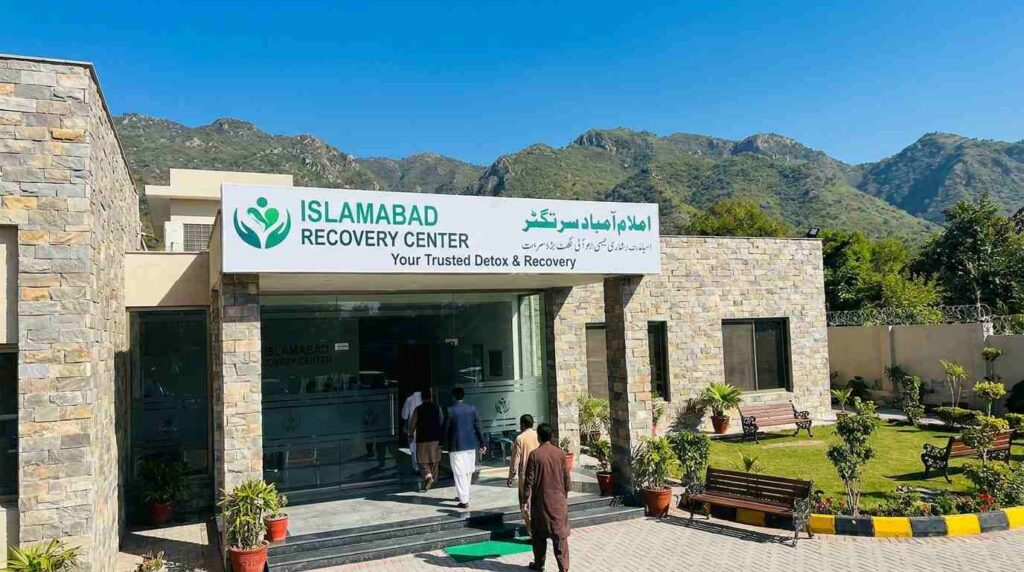
detox center islamabad

Drug and Alcohol Treatment Centers in Islamabad (2026 Guide
Alcohol Addiction Treatment, detox center islamabad

Drug and Alcohol Treatment Centers in Islamabad (2026 Guide

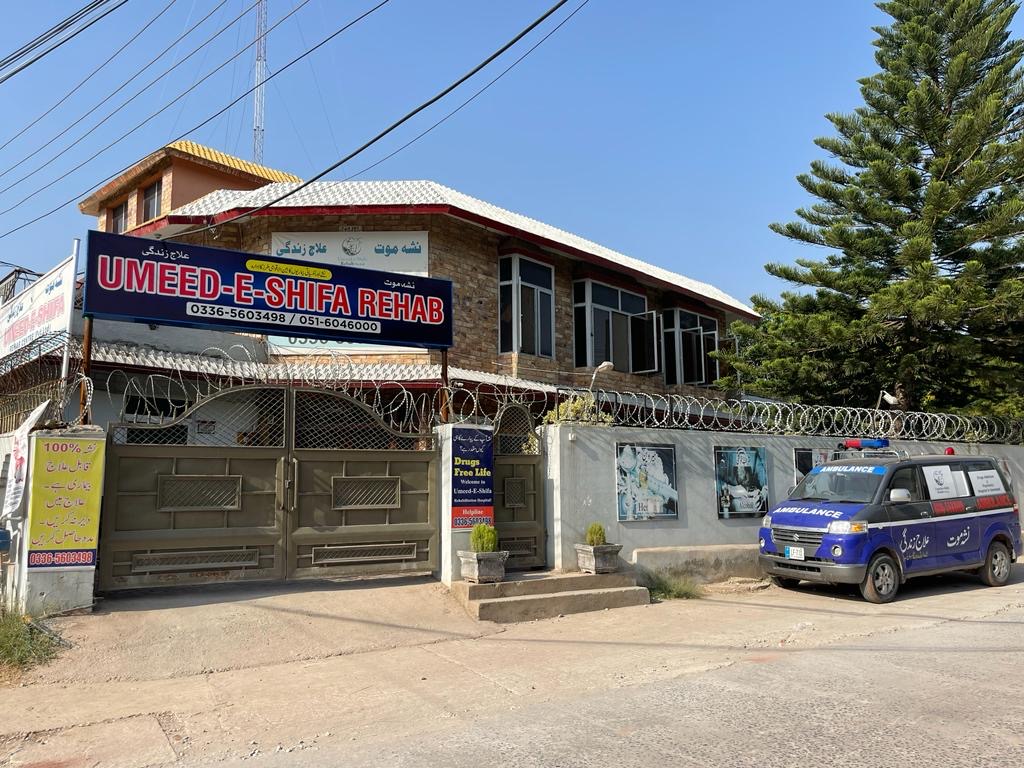
A family member is struggling. You’ve watched it for months, maybe years. You’ve tried managing it at home and it hasn’t worked. Now you’re searching for a drug and alcohol treatment center in Islamabad and you’re realizing that not all of them are what they claim to be. Some are barely staffed. Some don’t have a licensed psychiatrist on-site. Some put everyone through the same generic program regardless of what substance is involved or what else is going on mentally. This guide tells you what a medically credible treatment center actually looks like, what questions to ask before you admit someone, and why Umeed-e-Shifa Rehabilitation Center in Bani Gala consistently stands out in the Islamabad market for families who need more than a basic detox. What Makes a Drug and Alcohol Treatment Center Legitimate? Not every facility that calls itself a rehabilitation center is operating to clinical standards. This is the part most online guides skip, and it’s the most important thing families need to understand before choosing. A legitimate drug and alcohol treatment center is a licensed, medically supervised facility that treats substance use disorders through evidence-based clinical protocols, individualized care, and qualified professional staff operating under a recognized regulatory framework. In Pakistan, the regulatory body governing rehabilitation facilities is the Islamabad High Court-recognized IHRA (Institutional and Home Rehabilitation Authority). Any center operating without IHRA compliance is functioning outside the legal and clinical framework. That’s not a technicality. It directly affects patient safety, confidentiality protections, and clinical outcomes. The Three Qualities That Actually Predict Treatment Outcomes Across addiction medicine literature, three facility-level factors consistently separate centers with strong recovery outcomes from those with high relapse rates. 1. Qualified clinical staff, not just counselors. A detox that isn’t medically supervised can be dangerous. Withdrawal from alcohol, opioids, or benzodiazepines can cause seizures, cardiac events, or psychosis. A real treatment center has physicians and a qualified psychiatrist who can manage these risks clinically, not just monitor them. 2. Individualized treatment plans. Generic programs treat the average patient, which is no one in particular. Opioid dependency, alcohol use disorder, cannabis addiction, and prescription drug dependency all have different withdrawal profiles, different psychological components, and different relapse triggers. A facility that runs every patient through the same 30-day program, regardless of substance or history, is not practicing evidence-based care. 3. Dual-diagnosis capability. According to a 2023 review published by the Pakistan Journal of Medical Sciences, a significant proportion of patients presenting for substance use treatment in Pakistan also carry undiagnosed co-occurring mental health conditions including depression, anxiety, PTSD, and bipolar disorder. A center without psychiatric and psychological capacity cannot treat these patients effectively. They will relapse, often quickly, because the underlying condition driving the addiction was never addressed. Drug and Alcohol Treatment Centers in Islamabad: What’s Actually Available Islamabad has a growing number of facilities advertising addiction treatment, but the clinical depth varies considerably. Families searching for drug treatment in Islamabad or alcohol treatment in Islamabad need to evaluate options on more than location and fee structure. Here’s a practical framework for evaluating any center before committing: Evaluation Criteria What to Ask Why It Matters Regulatory compliance Is the center IHRA-registered? Ensures legal operation and patient rights protection Medical staff Is a licensed psychiatrist on-site? Required for safe withdrawal management and dual diagnosis Treatment approach Are plans individualized or one-size-fits-all? Generic programs produce weaker long-term outcomes Dual-diagnosis support Can they treat addiction plus depression, anxiety, or PTSD? Untreated co-occurring conditions drive relapse Family involvement Are families included in the treatment process? Family support is a proven relapse prevention factor Aftercare planning Is there a structured plan for after discharge? The first 90 days post-discharge carry the highest relapse risk Program duration options Are there both 30-day and 90-day programs? Short programs work for some; complex cases need longer care Most families in Islamabad find out about these gaps after admission, not before. Asking these questions upfront saves both the financial cost and the emotional cost of moving a patient between facilities. Umeed-e-Shifa Rehabilitation Center, Bani Gala: A Clinical Overview Umeed-e-Shifa Rehabilitation Center is located at House No 1, Durrani Street, Main Jinnah Road, Bani Gala, Islamabad. It is one of the few facilities in the Islamabad region that meets all of the clinical criteria outlined above under a single roof. The center was established with a stated mission of delivering person-centered, evidence-based addiction and mental health care in full compliance with IHRA guidelines, national healthcare standards, and SECP regulations. That alignment to regulatory frameworks is not marketing language. It has real implications for how patient data is handled, how treatment decisions are documented, and what rights patients and families hold throughout the process. Clinical Team at Umeed-e-Shifa The clinical depth at Umeed-e-Shifa is what separates it from most competitors in the Islamabad market. The team includes: Having a UK-qualified psychiatrist alongside neuropsychiatric and clinical psychology capability means Umeed-e-Shifa can handle cases that other centers in Islamabad cannot. Dual-diagnosis patients, patients with co-occurring psychosis or bipolar disorder, and patients coming off complex polydrug use all require this level of clinical support to be treated safely and effectively. Addiction Types Treated at Umeed-e-Shifa Substance / Condition Treatment Approach Opioid dependency (heroin, codeine, tramadol) Evidence-based treatment with medication-assisted options Alcohol use disorder Medical detox, psychological counseling, relapse prevention Cannabis addiction Behavioral therapy and psychosocial support Stimulant use (methamphetamine, cocaine) Specialized rehabilitation with psychiatric oversight Prescription drug dependency Supervised tapering and individualized plan Tobacco and caffeine dependency Structured cessation programs Inhalant abuse Medical care and targeted counseling Co-occurring depression, anxiety, PTSD Dual-diagnosis treatment integrated with addiction care Bipolar disorder, schizophrenia, personality disorders Full psychiatric management alongside addiction treatment Prices and program inclusions may change. Contact Umeed-e-Shifa directly at 0310-4000444 or umeedeshifa.com for current program details and availability. Alcohol Treatment in Islamabad: Why It Requires Specific Clinical Attention Alcohol use disorder is frequently underestimated in Pakistan, partly because of social stigma and partly because the visible consequences tend to emerge later than with opioid or stimulant dependency.

Detox & Recovery Center in Islamabad | Umeed-e-Shifa 2026
detox center islamabad

Detox & Recovery Center in Islamabad | Umeed-e-Shifa 2026

Someone you love is in trouble. Or maybe you’re reading this for yourself, which takes more courage than most people realize. Either way, you’ve arrived at the part where you’re done waiting and ready to act. The question now isn’t whether to get help. It’s where, and why it matters which facility you choose. Islamabad’s Bani Gala area has become the center of Pakistan’s residential rehab sector. There are several facilities operating here, and they are not equivalent. This page tells you what a proper detox and recovery center in Islamabad should offer, what gaps to watch for, and why Umeed-e-Shifa Rehabilitation Center has built its program around the specific clinical realities that Pakistani families face in 2026. What Detox Actually Means — and Why It’s the Most Dangerous Phase to Get Wrong Detox is not the same as rehabilitation. Most people use the terms interchangeably, but they describe two different stages with two different risk profiles. Detoxification is the medically supervised process of clearing a substance from the body while managing withdrawal symptoms. For opioids, alcohol, and benzodiazepines, withdrawal is not just uncomfortable. Without proper supervision, it can be fatal. Opioid withdrawal can cause severe dehydration, cardiac stress, and respiratory complications. Alcohol withdrawal can trigger seizures. These are not worst-case scenarios. They are documented clinical outcomes of unsupervised detox attempts. Recovery is what happens after the body has stabilized. This phase covers the psychological, behavioral, and social work that determines whether a person stays sober once they leave the facility. Detox without recovery is just managing the body. Recovery without proper detox is building on an unstable foundation. The reason this distinction matters for families in Islamabad: not every facility that calls itself a detox and recovery center has the clinical infrastructure to handle both phases safely. Some centers can manage mild-to-moderate cases but lack the medical staffing for severe withdrawal. Asking specifically about 24/7 medical supervision during detox is not a bureaucratic question. It’s a safety question. Why Bani Gala Has Become the Right Place for Residential Rehab in Pakistan Bani Gala’s position as Islamabad’s residential rehabilitation zone isn’t accidental. The location provides something no urban clinic can replicate: genuine physical separation from the environments that sustain addiction. Addiction is partly neurological, but it’s also deeply contextual. The people, places, routines, and supply networks that surround a person in active addiction don’t disappear when the person decides to get better. They have to be physically removed from the equation — at least temporarily. A residential facility in the middle of Islamabad’s residential sector still sits inside the city’s social fabric. Bani Gala sits outside it. The green hills, cleaner air, and structured daily routine of a Bani Gala facility aren’t aesthetic preferences. They’re therapeutic variables. Reduced sensory stimulation, physical activity in a natural setting, and distance from familiar stress triggers all support the neurological work of early recovery in ways that urban facilities structurally cannot. Umeed-e-Shifa is located within this zone. The facility is accessible from Islamabad and Rawalpindi for family visits while remaining genuinely removed from the city’s pace and pressures. What Umeed-e-Shifa Offers as a Detox and Recovery Center in Islamabad Umeed-e-Shifa Rehabilitation Center was established with IHRA compliance as a foundational requirement, not an afterthought. IHRA — the Islamabad Healthcare Regulatory Authority — sets the clinical and ethical standards for healthcare operations in the capital. A facility operating without this compliance is working outside the regulatory framework that protects patient safety, confidentiality, and quality of care. The center operates 24 hours a day, seven days a week. That matters during detox, when withdrawal symptoms don’t observe business hours. It also matters for families in crisis who need to reach someone at 11pm, not at 9am on a weekday. Programs and Structure Program Duration What It Covers 30-Day Detox Program 30 days Medical detox, physical stabilization, initial psychological assessment 90-Day Detox and Assessment 90 days Full detox plus comprehensive psychological evaluation, effect management, structured therapy Individualized Treatment Plan Ongoing Tailored to specific substance, psychological profile, and family situation The 90-day program is the clinically stronger option for anyone with moderate to severe dependency. Research consistently shows that longer residential programs produce better long-term outcomes than shorter ones. In the Pakistani context specifically, 30-day programs often end just as the patient is beginning to engage meaningfully with the psychological work of recovery. Families who push for early discharge — for social or logistical reasons — typically see faster relapse. What the Treatment Covers Umeed-e-Shifa’s treatment model addresses addiction across three interconnected dimensions: biological, psychological, and social. Medically supervised detoxification handles the physical phase. Staff manage withdrawal symptoms, monitor vital signs, and adjust support based on how the patient’s body responds. This is not a standardized protocol applied to every patient the same way. Opioid detox looks different from alcohol detox, which looks different from stimulant cessation. Individual psychotherapy and group sessions address the psychological dimension. Group therapy is not a secondary option to individual sessions — for many patients, it’s where the most important work happens. Shared experience with others who genuinely understand addiction reduces shame, builds accountability, and creates social models for sober behavior. Relapse prevention training builds practical, personalized systems for recognizing and responding to triggers. This is where the recovery work translates from the facility into real life. Family involvement is structured into the program, not optional. Addiction disrupts families as systems. Recovery that doesn’t address those disruptions — the enabling patterns, the trust damage, the communication breakdowns — tends to unravel once the patient returns home. Substance-specific programming covers opioids, alcohol, cannabis, stimulants, benzodiazepines, prescription medications, tobacco, and inhalants. Each substance has a different clinical profile and a different withdrawal pattern. A center that applies the same protocol to every addiction type is not practicing evidence-based care. The Dual-Diagnosis Reality: Why Most Families Miss the Bigger Picture Here’s the gap that most competitor content in Islamabad’s rehab sector doesn’t address honestly: addiction rarely exists alone. According to the UNODC World Drug Report

Scroll to Top