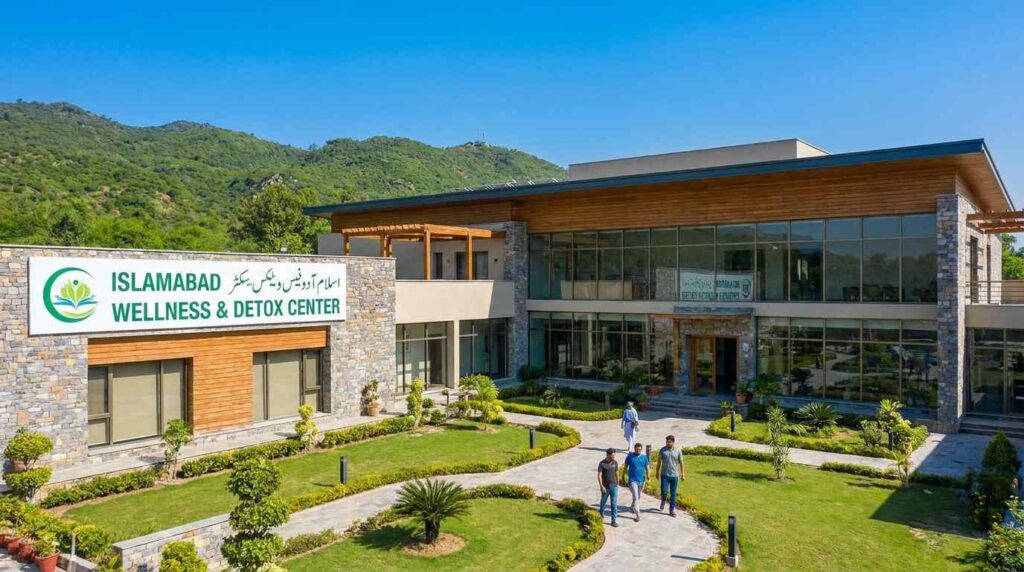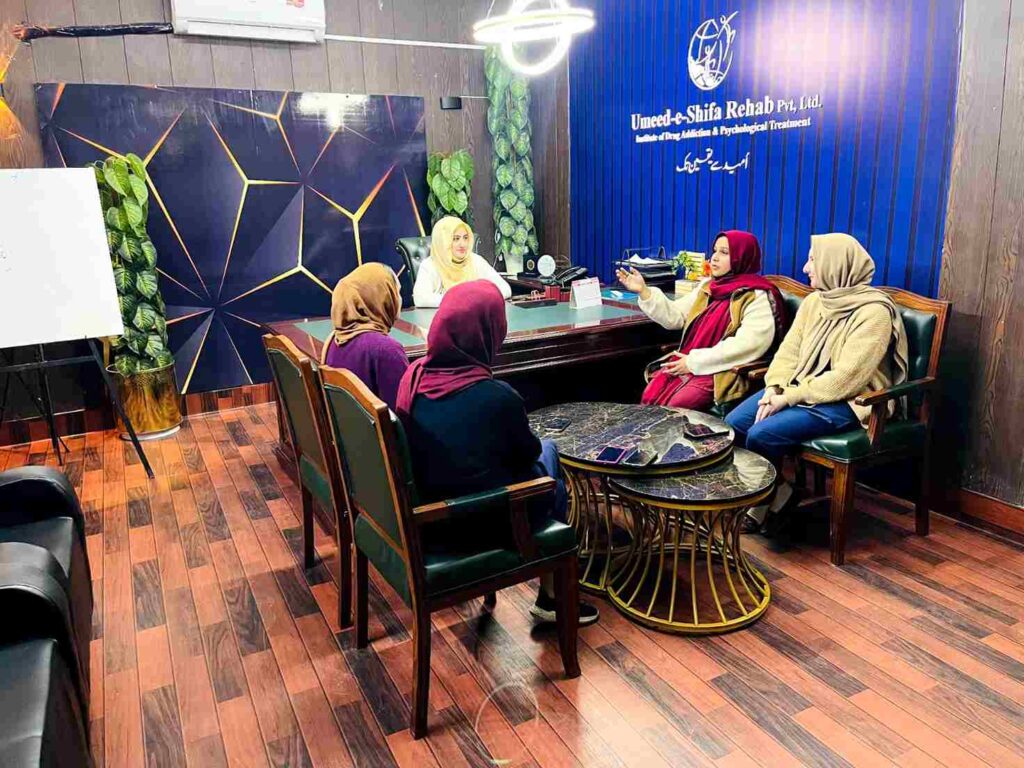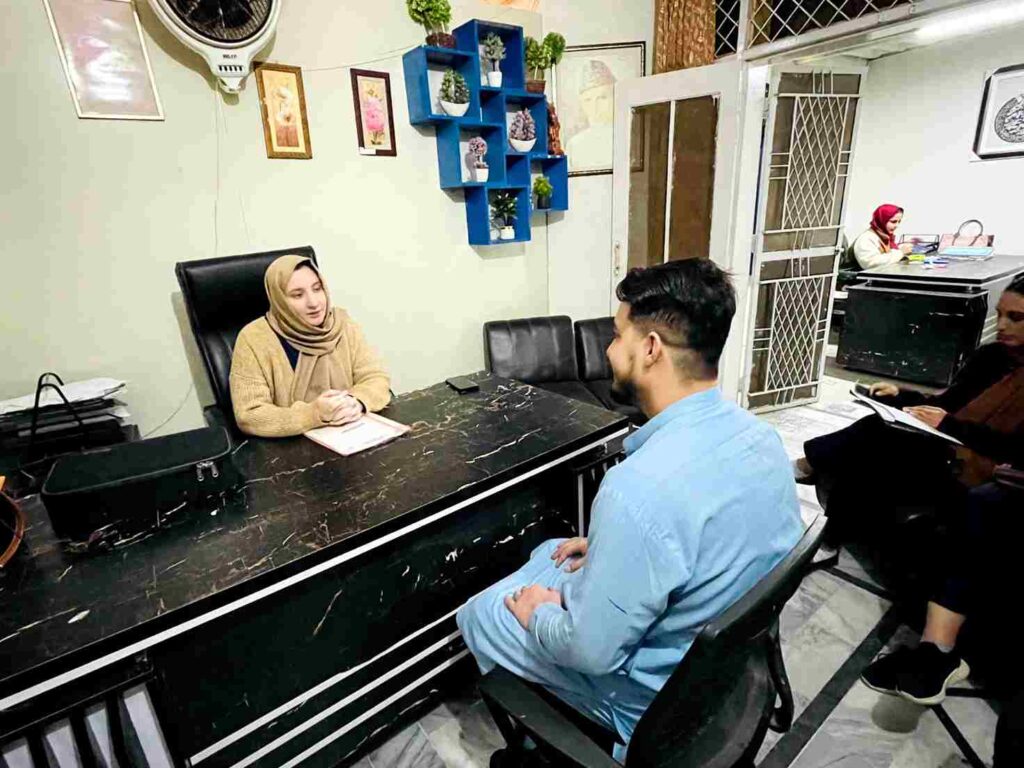
umeed e shifa rehab center

Relapse Prevention Program: What Works in 2026
Uncategorized

Relapse Prevention Program: What Works in 2026

Thirty days in a facility. Medically supervised detox. Counselling sessions every morning. The family relieved, the patient feeling stronger than they have in years. Then comes week six back at home — a financial argument that doesn’t end, an old contact showing up uninvited, three nights of bad sleep in a row — and the ground gives way. Not because the treatment failed. Because what came after treatment wasn’t built for real life. A relapse prevention programme is the clinical structure that bridges the gap between leaving a facility and staying in recovery once daily pressures return. According to the U.S. National Institute on Drug Abuse, 40 to 60 percent of people with substance use disorder experience relapse at some point — a rate comparable to other chronic medical conditions like hypertension. That comparison matters: it reframes relapse not as personal failure but as a clinical outcome that a well-designed plan actively reduces. Getting the plan right — specific, personal, written, and revisited — is the work that determines whether treatment produces lasting change or just a temporary gap. Relapse Doesn’t Start the Day Someone Uses Again This is the single most misunderstood thing about the relapse process, and it’s why so many plans built around “recognising cravings” fail people who thought they were fine. Clinically, relapse moves through three distinct phases before any substance is touched. Each phase has observable signs — not vague emotional states, but specific, trackable behaviour changes. The value of knowing this is practical: the earlier in the sequence a person or their family identifies what’s happening, the easier it is to redirect. By the time cravings are intense and specific, the window for simple intervention has already narrowed considerably. The First Phase: Emotional Nothing about substance use is conscious yet. The person isn’t thinking about using. But their emotional patterns have started shifting back toward the conditions that preceded their addiction. They stop expressing what they’re feeling — frustration, loneliness, anxiety get compressed rather than processed. They start skipping the things that kept them anchored: therapy sessions, check-in calls with their support contact, the morning routine they built in treatment. Sleep becomes irregular. Appetite changes. They say they’re fine when they’re not. Families often notice this phase before the person themselves does — because the changes are external and visible. A plan built for this phase asks: what are this person’s specific early warning signs? Not a generic list of ten possibilities. The exact two or three changes that this individual shows when they’re moving toward emotional relapse, identified during therapy and named in writing. The Second Phase: Mental The internal conflict becomes conscious. The person starts thinking about using — not planning it necessarily, but the thoughts are there. Past experiences get replayed through a selective lens that filters out the consequences and holds onto the relief. They start bargaining with themselves: maybe once, maybe just to get through this week, maybe they have enough control now to handle it differently. Routes, people, and places connected to past use start feeling less threatening in the mind. This phase is where most families feel something is wrong but don’t know what to say. That silence — the unspoken concern, the walking on eggshells — often makes things worse. A working relapse prevention plan names this phase, describes what it looks and sounds like for this specific person, and gives the family a clear, non-confrontational action step. The Third Phase: Physical Actual use. Most relapse prevention content in Pakistan treats this as the starting point. It isn’t — it’s the outcome of the first two phases going unaddressed, and it’s the hardest phase to redirect because the momentum has already built over days or weeks. Understanding this sequence reshapes what “having a plan” means. A plan that only prepares for cravings is already behind. A plan that can catch the first phase — through specific personal warning signs and a named person to contact — has a fundamentally different success rate. Why Family Involvement Changes the Outcome Research conducted in Rawalpindi and Islamabad, published in a 2024 peer-reviewed study on social support and addiction recovery in Pakistan, found a direct correlation between perceived family support and quality of life among individuals in recovery — with a specific finding on what researchers call “expressed emotion” within households. High expressed emotion — defined as critical, hostile, or excessively involved family attitudes — is associated with significantly higher relapse rates. The pattern shows up in practice in two ways. The first is the family that responds to recovery with constant scrutiny: checking behaviour, asking pointed questions, monitoring every mood shift with visible anxiety. The intention is care. The effect is a pressure environment that mirrors the emotional suppression of Phase 1 relapse. The second is the family that responds with silence — carrying the fear of upsetting things, never mentioning the subject, leaving the person in recovery with no one to honestly talk to. Neither extreme works. What does work is structured family involvement built into the treatment plan itself — not a one-time orientation session, but ongoing family counselling that teaches specific communication approaches, identifies each family member’s role in the relapse prevention plan, and gives the household a shared language for the warning signs identified in the person’s individual plan. A 2024 study in the Journal of Substance Abuse and Addiction Treatment confirmed a positive correlation between relapse and family conflicts, friendships with individuals currently struggling with addiction, and the presence of addicted close relatives. For a Pakistani patient returning to an extended family household — where both stressors and social scrutiny can be intense — this isn’t background context. It’s a frontline clinical variable that the plan must address directly. The Shame Mechanism Nobody Explains — and Why It’s the Biggest Risk After a Lapse Most relapse prevention content ends at the lapse itself. Practical guidance on what happens in the hours immediately after — the moment with the most clinical significance — is


90 Day Detox Program Islamabad: Umeed e Shifa Guide 2026
detox center islamabad

90 Day Detox Program Islamabad: Umeed e Shifa Guide 2026

Someone calls a rehab center in Islamabad asking how fast their relative can be “fixed.” The honest answer rarely fits inside 30 days, and most families don’t find that out until after the first short program has already failed once. That gap, between what a quick detox can actually deliver and what families expect from it, is where a lot of relapses start. A 90 day detox program in Islamabad gives a patient enough time to move past withdrawal and into the psychological work that actually prevents relapse, something a 30-day stay structurally can’t do. This guide breaks down what a 90-day program includes, where a 30-day detox still makes sense, and how a facility like Umeed e Shifa structures the full three-month timeline so families know exactly what they’re signing up for before admission. What Is a 90 Day Detox Program, and Why Does the Timeline Matter? A 90 day detox program is a structured addiction treatment plan combining medical detoxification, residential rehabilitation, behavioral therapy, and outpatient follow-up over roughly three months. The extended length exists for one reason: detox alone clears substances from the body, but it doesn’t touch the psychological patterns that drive someone back to using. Most general guides on this topic stop at describing detox symptoms and skip the part that actually matters to a family deciding between program lengths: why three months specifically, and not six weeks or six months. The answer comes down to what happens after the body stabilizes. Withdrawal symptoms from most substances resolve within 7 to 14 days. What takes considerably longer is rebuilding the coping mechanisms, identifying triggers, and repairing family dynamics that were part of the addiction cycle in the first place. A 90-day window gives enough runway for that second phase to actually start working, rather than ending right as it begins. The Four Phases of a 90-Day Program A complete 90-day program moves through medical detoxification, residential rehabilitation, psychological and behavioral therapy, and structured outpatient follow-up, with each phase building directly on the one before it. Skipping or shortening any one of these phases is what causes most early relapses after treatment. 90 Day Detox Program vs 30 Day Detox Program: What Actually Changes A 30-day detox program focuses almost entirely on physical and early psychiatric stabilization, while a 90-day program adds the psychological and behavioral work needed to address the actual causes of addiction. Both are legitimate treatment paths, but they’re built for different situations, and conflating them is one of the most common mistakes families make when comparing options. A 30-day program is a short-term, medically supervised intervention aimed primarily at helping a patient safely stop substance use and manage withdrawal. Its scope is intentionally narrow: medical detox, basic psychiatric stabilization, and supportive counseling to help the patient tolerate the discomfort of detox. What it does not include is enough time for deep work on triggers, trauma, or the maladaptive beliefs that drove the substance use to begin with. Factor 30 Day Detox Program 90 Day Detox Program Primary focus Physical withdrawal management, early stabilization Detox plus psychological treatment plus relapse prevention Psychological depth Supportive counseling only Full CBT, motivational enhancement, trauma-informed therapy Family involvement Minimal Structured family training and education sessions Best suited for First-time, milder dependence with no major co-occurring conditions Repeated relapse, dual diagnosis, or longer substance use history Relapse risk after discharge Higher without continuation care Lower, due to embedded relapse-prevention planning Outpatient follow-up Not built into the program by design Included as the program’s fourth phase This is the gap most comparison content glosses over: a 30-day program isn’t a cheaper, faster version of a 90-day program. It’s solving a narrower problem. If the goal is just getting through withdrawal safely with no history of relapse or co-occurring mental health conditions, 30 days can be appropriate. If the substance use has been long-term, has co-occurred with depression, anxiety, or bipolar disorder, or this isn’t the first attempt at detox, a 30-day stay typically isn’t enough runway to change the underlying pattern. Why a 30-Day Detox Often Isn’t Enough on Its Own A 30-day detox addresses physical dependence but leaves the psychological drivers of addiction largely untouched, which is why relapse rates after short detox-only programs tend to be high. This is the scenario most beginner-level content about detox skips entirely, and it’s exactly the question a family should be asking before booking the shorter program. Several specific limitations show up consistently with 30-day-only programs. Behavior patterns around triggers and coping remain largely unchanged because there simply isn’t time for that work. Co-occurring psychiatric conditions, depression, anxiety, bipolar disorder, or personality traits that interact with the substance use, require longer stabilization than a month allows. Family dynamics like enabling or dysfunctional communication patterns, which often play a direct role in relapse, aren’t meaningfully addressed in a short stay. There’s also a subtler problem worth naming directly: physical improvement during a 30-day stay can create a false sense of recovery. A patient who looks and feels stable after detox isn’t necessarily equipped to handle the same triggers and environment they’re returning to. This is precisely the gap a 90-day program is built to close, and it’s one of the clearest reasons families end up moving from a failed 30-day attempt straight into a longer program the second time around. Who the 90-Day Program Actually Fits, and Who It Doesn’t A 90-day program is the stronger choice for patients with a history of relapse, long-term substance dependence, or a co-occurring mental health diagnosis, while a 30-day program can be sufficient for a first-time, milder case without complicating factors. Matching the program length to the actual situation, rather than defaulting to whichever sounds more affordable or faster, is the single decision that affects long-term outcomes the most. For a patient with a single substance use episode, no prior treatment attempts, and no diagnosed psychiatric condition, a 30-day program followed by committed outpatient therapy can work. For a patient cycling through repeated relapses,

Heroin Addiction Treatment in Islamabad 2026
Heroin Addiction Treatment

Heroin Addiction Treatment in Islamabad 2026 | Umeed e Shifa

Your loved one is using heroin. Or maybe you are, and you’re finally admitting it to yourself. Either way, you’re searching for treatment in Islamabad — and you want real answers, not brochures. This guide gives you exactly that. Pakistan has over 800,000 regular heroin users, according to UNODC estimates, with the number of injecting users nearly doubling between 2000 and 2006 — a trend that has continued since. In Islamabad and the broader twin cities area, demand for structured heroin addiction treatment has risen sharply as awareness grows and social stigma slowly loses its grip. What you’ll find here: how heroin treatment actually works, what the stages look like, how to evaluate a center honestly, what dual-diagnosis means for your case, and how Umeed-e-Shifa Rehabilitation Center in Bani Gala approaches recovery differently from standard detox-only facilities. Why Heroin Addiction Cannot Be Treated With Willpower Alone Heroin is a semisynthetic opioid that binds directly to the brain’s reward system, producing effects two to three times more potent than morphine. This is not a character flaw. It’s a neurological reality. After repeated use, the brain stops producing its own dopamine at normal levels. The body requires heroin just to feel baseline normal — not high, just functional. This is why withdrawal is so physically brutal and why attempting to stop without medical supervision is both dangerous and statistically unlikely to succeed long-term. A 2019 study published in Public Health found that heroin was the most abused substance among rehabilitation center admissions in Pakistan at 48%, and that 46% of those patients also had comorbid depression. That figure is critical. It means nearly half of heroin users are also managing an untreated mental health condition — which, if left unaddressed, becomes the engine of relapse after detox. What Happens to the Brain During Heroin Use Heroin converts to morphine rapidly in the body and attaches to opioid receptors in the brain, spinal cord, and organs. Over time, the brain reduces its natural opioid production and receptor sensitivity. This process — neuroadaptation — is why tolerance builds and why stopping causes withdrawal, not simply discomfort. Withdrawal symptoms typically begin 6 to 24 hours after the last dose and can include severe muscle pain, nausea, vomiting, insomnia, intense anxiety, and uncontrollable craving. Without medical management, these symptoms peak at 48 to 72 hours. For most people, attempting this alone fails within the first day. The Stages of Heroin Addiction Treatment: What the Process Actually Looks Like Most families searching for a heroin rehab center in Islamabad assume treatment means detox followed by some counseling sessions. In reality, evidence-based treatment for opioid dependency follows a structured continuum. Here’s what that looks like in practice. Stage 1 — Medical Assessment and Intake Before any treatment begins, a thorough medical and psychiatric evaluation is conducted. This assessment determines the severity of physical dependence, identifies co-occurring mental health conditions (depression, anxiety, PTSD), screens for any medical complications from injection drug use, and establishes a baseline for building the treatment plan. This step is where many lower-quality centers cut corners. A rushed intake means a generic treatment plan, and a generic plan has a poor long-term outcome. Stage 2 — Medically Supervised Detoxification Detox is the process of safely clearing heroin from the body while managing withdrawal symptoms under clinical supervision. This is not the end of treatment. It is the beginning. Detox alone has a very high relapse rate — some estimates put it above 90% — because it addresses physical dependence without touching psychological dependency, trauma, or behavioral patterns. At a properly run center, medications are used to stabilize the patient, reduce withdrawal intensity, and prevent medical complications. The goal is a safe, manageable transition, not suffering through cold turkey. Stage 3 — Psychological Treatment and Behavioral Therapy Once physically stable, the real work begins. Cognitive Behavioral Therapy (CBT) helps patients identify the thought patterns, triggers, and emotional states that drive drug-seeking behavior. Group therapy builds accountability and reduces the isolation that feeds addiction. Individual sessions address trauma, grief, family dynamics, and any underlying psychiatric conditions. For patients with comorbid depression or anxiety — again, nearly half of heroin users in the Pakistani clinical literature — psychiatric medication management is often also necessary at this stage. Stage 4 — Relapse Prevention and Aftercare Planning A center that discharges a patient without a structured aftercare plan has done half the job. Relapse prevention includes identifying high-risk situations, building coping strategies, family counseling, and where appropriate, outpatient follow-up after residential treatment ends. Recovery from heroin addiction is measured in years, not weeks. The discharge date is a milestone, not a finish line. Stage What Happens Duration Key Goal 1. Medical Assessment Psychiatric and physical evaluation 1–2 days Build accurate treatment plan 2. Detox Supervised withdrawal management 7–14 days Safe physical stabilization 3. Psychological Treatment CBT, group therapy, psychiatric care Ongoing (30–90 days) Address root causes 4. Aftercare Relapse prevention, family sessions Ongoing post-discharge Sustain long-term recovery Inpatient vs Outpatient Treatment for Heroin Addiction in Islamabad: Which One Is Right? This is the question most families struggle with, often for financial or logistical reasons. Here’s an honest breakdown. When Inpatient (Residential) Treatment Is the Right Choice Inpatient treatment means the patient lives at the facility for the duration of the program — typically 30, 60, or 90 days. For heroin dependency, this is almost always the recommended starting point, for several reasons: The research supports this. A 2024 study in BMC Public Health reviewing Pakistani rehab center admissions found that patients with longer treatment durations had significantly better recovery indicators. Thirty days is a minimum for heroin; 90 days is considered the clinical standard for achieving durable outcomes. When Outpatient Programs Work — and When They Don’t Outpatient treatment is appropriate for patients who have already completed a residential program and are transitioning back to daily life, or for those with mild to moderate dependency who have strong, stable family support and no significant mental health comorbidities. For active,

Detox Therapy in Islamabad | Umeed-e-Shifa 2026
detox center islamabad

Detox Therapy in Islamabad | Umeed-e-Shifa 2026

Most people searching for detox therapy in Islamabad are not doing academic research. They’re worried about someone they love, or they’re finally ready to get help themselves. The question isn’t just “what is detox” — it’s “will this actually work, is it safe, and what happens next?” This guide answers those questions directly. It covers how medically supervised detox works, what separates a safe detox center from a risky one, what the withdrawal process looks like for the most common substances in Pakistan, and what Umeed-e-Shifa Rehabilitation Center in Bani Gala, Islamabad offers at each stage of the journey. What Is Detox Therapy and Why Does It Come First? Detox therapy is the medically supervised process of clearing addictive substances from the body while managing the withdrawal symptoms that follow. It’s the first clinical step in treating substance use disorders — not because it resolves addiction on its own, but because the body must be physically stabilized before any meaningful psychological treatment can begin. Without medical supervision, withdrawal from certain substances — particularly alcohol, opioids, and benzodiazepines — can be life-threatening. Seizures, severe dehydration, cardiac irregularities, and acute psychosis are documented risks when detox happens without professional oversight. This is not a scare tactic. It’s the reason structured detox centers exist. Detox alone is not recovery. Every credible addiction medicine framework — including guidelines followed by IHRA Pakistan — treats detox as the gateway to therapy, not the destination. What Happens During Medical Detox The detox process at a properly structured center like Umeed-e-Shifa typically moves through three phases: The Most Common Substances Requiring Detox in Pakistan (2026) Understanding what detox looks like depends heavily on the substance. The following breakdown covers the most prevalent cases seen at rehabilitation centers across Islamabad. Substance Typical Withdrawal Timeline Key Medical Risks Supervised Detox Required? Heroin / Opioids 24–72 hours onset; peaks day 3–5 Severe pain, dehydration, cardiac stress Yes — essential Alcohol 6–24 hours onset; peaks day 2–3 Seizures, delirium tremens, arrhythmia Yes — high risk Benzodiazepines (tranquilizers) 1–4 days onset; can persist 2 weeks Seizures, psychosis Yes — critical Cannabis / Hash 24–72 hours; mild to moderate Anxiety, insomnia, irritability Recommended Methamphetamine / Ice 24 hours; crash phase 1–2 weeks Severe depression, suicidal ideation Strongly recommended Tobacco / Nicotine Within hours; peaks day 3 Agitation, cravings, mood disruption Supported program recommended (Note: timelines vary significantly based on duration of use, quantity, and individual physiology. Clinical assessment determines actual protocol.) In Pakistan’s current addiction landscape, polysubstance use — combining heroin with benzodiazepines, or cannabis with prescription sedatives — is increasingly common. This complicates detox significantly and makes the clinical assessment phase even more critical. A facility equipped to handle complex, multi-substance cases will have a different capability profile than one treating single-substance cases only. How to Evaluate a Detox Center in Islamabad Before Committing Families in Pakistan often make this decision under stress, with limited information, and sometimes under pressure from the person in crisis. The result is that some individuals end up in facilities that aren’t equipped for their specific situation. Here’s what actually matters when evaluating a detox center. Regulatory Compliance and Accreditation Pakistan’s drug treatment sector is regulated through the IHRA (Integrated Harm Reduction Approach framework under the Ministry of Narcotics Control) and monitored through provincial health authorities. Legitimate centers maintain IHRA registration and operate within documented clinical protocols. Umeed-e-Shifa Rehabilitation Center in Bani Gala, Islamabad operates in compliance with IHRA guidelines and national healthcare standards, with SECP registration — a structural marker that the facility is accountable to regulatory oversight, not operating informally. Ask any center you evaluate: Are you IHRA registered? Can you show documentation? This single question filters out a significant number of informal operations in the Islamabad–Rawalpindi area. Medical Staff Capacity Detox is a medical process. The presence of qualified doctors and psychiatrists — not just counselors — is non-negotiable for opioid, alcohol, or benzodiazepine detox cases. Find out specifically who manages withdrawal complications and what the escalation protocol is if a patient’s condition deteriorates overnight. Dual Diagnosis Capability In expert analysis of addiction cases in Pakistan, co-occurring mental health conditions — depression, anxiety disorders, PTSD, and in some cases psychotic spectrum conditions — appear in a substantial proportion of patients presenting for detox. Addiction treatment that doesn’t evaluate and address these underlying conditions produces significantly higher relapse rates. When reviewing a facility, ask directly: do you have psychiatric evaluation built into the intake process? Location and Environment Bani Gala, Islamabad — where Umeed-e-Shifa is located — provides an environment that is genuinely removed from the urban triggers and social pressures that drive continued use. The physical environment of a detox facility is clinically relevant. Proximity to dealers, familiar people, or high-stress urban areas increases the risk of early discharge or patient departure during the acute phase. What the Detox Programs at Umeed-e-Shifa Actually Look Like Umeed-e-Shifa offers structured programs at two durations, reflecting the clinical reality that different cases require different lengths of initial stabilization. 30-Day Detox Program The 30-day program is designed for individuals in the early to mid-stages of dependency, or for those whose substance use involves lower medical complexity. The program focuses on: This program suits patients who have social support systems outside the facility, who are not presenting with severe co-occurring psychiatric illness, and whose work or family situation makes a longer residential stay difficult to coordinate. 90-Day Detox and Assessment Program with Effect Management The 90-day program is structured for more complex cases: long-duration addiction, polysubstance use, previous failed treatment attempts, or individuals with significant co-occurring mental health conditions. “Effect management” in the program title refers specifically to the clinical work of identifying and treating the downstream psychological and behavioral consequences of prolonged substance use — not just the physical dependency. This extended program includes the full range of assessment and therapy available at the center, with deeper integration of: For families considering this option: the evidence on 90-day residential programs versus shorter interventions is consistent. According to

Rehab Center Islamabad | Umeed-e-Shifa — IHRA-Certified, 2026
detox center islamabad

Rehab Center Islamabad | Umeed-e-Shifa — IHRA-Certified, 2026

When someone you love is struggling with addiction or a mental health crisis, the decision of where to send them feels enormous. You’re not browsing casually. You’re searching at 2am, worried sick, trying to find a place that will actually help — not just take payment and run a program. In Islamabad, several rehab centers claim to be the best. Most of them say the same things. What they rarely tell you is what separates a genuine clinical facility from a room with good marketing. This guide breaks that down honestly, so you make a decision you won’t regret. What a Legitimate Rehab Center in Islamabad Actually Looks Like A rehab center is a structured clinical facility that treats substance use disorders and co-occurring mental health conditions through medically supervised detox, psychotherapy, behavioral interventions, and post-treatment aftercare. The key word is clinical. Not every center that opens its doors in Islamabad operates at clinical standards. In Pakistan, the Islamabad Harm Reduction Association (IHRA) is the regulatory body responsible for licensing and overseeing rehabilitation facilities. IHRA compliance isn’t optional for legitimate centers — it’s the baseline. It means the facility follows structured treatment protocols, maintains proper documentation, has qualified staff, and operates with patient rights protections in place. Umeed-e-Shifa Rehabilitation Center, located in Bani Gala, Islamabad, operates in full compliance with IHRA regulations and aligns with international evidence-based practice standards. This isn’t a marketing line — it means their treatment protocols, patient records, and clinical staffing are subject to oversight. That matters when you’re trusting a facility with someone’s life. When reviewing any rehab center in Islamabad, ask directly: Are you IHRA-registered? Can I see that documentation? If they dodge the question, walk away. Why Location Matters More Than Most Families Realize Most competitor rehab centers in Islamabad are either tucked into residential neighborhoods or located along busy urban corridors. Bani Gala is different. Umeed-e-Shifa sits on the quieter, greener side of Islamabad — away from social triggers, familiar faces, and the environments that often reinforce addictive behavior. Recovery research consistently supports the idea that environmental change during initial treatment phases improves engagement with therapy and reduces early dropout rates. There’s also a practical confidentiality angle. Families in Islamabad — particularly from professional or prominent backgrounds — often cite privacy as a top concern. Bani Gala’s separation from the city’s main social circuits makes it significantly easier to maintain that discretion. Several families have chosen Umeed-e-Shifa specifically because the location allows their loved one to recover without the social pressure of running into acquaintances mid-treatment. If privacy and calm surroundings are a priority for your family, the Bani Gala location is a genuine clinical and logistical advantage — not just scenery. The Medical Team: What You Should Demand From Any Facility This is where most rehab center websites in Islamabad fall short. They list staff roles without telling you their qualifications. That gap matters enormously in addiction treatment. Umeed-e-Shifa’s clinical team includes: Role Name Qualification Consultant Psychiatrist Dr. Anwar Ul Haq MBBS, MRCPsych (UK) Neuropsychiatrist Dr. Muhammad Ilyas MBBS, MCPS Medical Officer Dr. Mussarat Afzal MBBS Consultant Psychologist Dr. Fatima Fayyaz PhD/Clinical Psychology Senior Clinical Psychologist Dr. Sadia Sikandar Clinical Psychology Clinical Psychologist Miss Kinza Noor Clinical Psychology Dr. Anwar Ul Haq holds MRCPsych accreditation from the Royal College of Psychiatrists (UK) — one of the most rigorous psychiatric credentials in the world. That level of psychiatric oversight is rare in Islamabad’s rehab sector. For dual diagnosis cases — where addiction coexists with depression, bipolar disorder, PTSD, or schizophrenia — this distinction is not trivial. A psychiatrist with international credentials can manage complex psychopharmacology, not just oversee a detox checklist. When comparing facilities, always ask: Does your psychiatrist have verifiable specialist training? Ask for the credential name and issuing body. Most centers can’t answer that clearly. Treatment Programs at Umeed-e-Shifa: What Each One Is For Not every patient needs the same program. Here’s a direct breakdown of what Umeed-e-Shifa offers and who each program is designed for: 30-Day Medical Detox Program Best for: Patients in the early stages of dependency, or those who need medically supervised withdrawal management before stepping into long-term therapy. This program focuses on physical stabilization. Medically supervised detox manages withdrawal symptoms safely — particularly critical for opioids, alcohol, and benzodiazepines, where unsupervised withdrawal can be medically dangerous. The 30-day window also includes initial psychological assessment and treatment planning. This is not a standalone solution for severe or long-term dependency. It’s a gateway — the start of treatment, not the finish. 90-Day Detox and Assessment Program with Effect Management Best for: Patients with moderate-to-severe substance use history, those who have relapsed after shorter programs, and anyone with a co-occurring mental health condition. Ninety days is the clinical benchmark for meaningful behavioral change. The UNODC and most evidence-based treatment guidelines recommend a minimum of 90 days for sustained recovery outcomes in opioid and poly-drug cases. Umeed-e-Shifa’s 90-day program integrates detox, individual psychotherapy, group sessions, relapse prevention training, and family involvement sessions. In expert review of similar programs across the region, the 90-day format consistently produces better long-term sobriety rates compared to 30-day programs, particularly when the patient has tried shorter treatment before. Individualized Treatment Plan Best for: Cases that don’t fit a standard program timeline — complex dual diagnosis, patients with specific occupational constraints, or those requiring a phased inpatient-to-outpatient transition. This is Umeed-e-Shifa’s most flexible offering. A complete bio-psycho-social assessment is conducted first, and the treatment schedule is built around the patient’s actual clinical profile rather than a preset duration. For families dealing with unusual circumstances — professionals who can’t commit to full residential care, adolescents with co-occurring trauma, or patients with serious psychiatric conditions alongside addiction — this pathway is worth a direct conversation with the clinical team. What Umeed-e-Shifa Treats: Addictions and Mental Health Conditions Addiction Treatment Psychological Treatment Opioid use disorder Depression Alcohol dependency Anxiety disorders Cannabis use PTSD Stimulant use (Meth / ICE / Cocaine) Bipolar disorder Tobacco and caffeine dependency Schizophrenia Inhalants

Umeed-e-Shifa: Addiction Treatment Center Islamabad
Alcohol Addiction Treatment

Umeed-e-Shifa: Addiction Treatment Center Islamabad

You’ve searched “addiction treatment center in Islamabad” because someone needs help — or because you do. The question isn’t whether a facility exists. The question is whether it has qualified psychiatrists on staff, whether it treats the underlying mental health condition alongside the addiction, and whether recovery actually holds after discharge. This guide explains exactly how Umeed-e-Shifa, located in Bani Gala, Islamabad, approaches drug addiction treatment — what the programs include, who delivers the care, and what to verify before admitting anyone to any center in Pakistan. What an Addiction Treatment Center in Islamabad Actually Does An addiction treatment center is a structured clinical facility providing medically supervised detoxification, evidence-based therapy, and psychological rehabilitation for individuals with substance use disorders. In Islamabad’s private sector, quality varies significantly — the difference between a center with a qualified consultant psychiatrist and one staffed primarily by counselors without clinical credentials is not cosmetic. It’s the difference between treatment and temporary containment. Umeed-e-Shifa Rehabilitation Center, based at House No. 1, Durrani Street, Main Jinnah Road, Bani Gala, Islamabad, was built around one specific gap in the Pakistani rehabilitation market: most centers treat the substance dependency in isolation. They stabilize, detox, and discharge. What they don’t do is diagnose and treat the depression, anxiety disorder, PTSD, or bipolar condition that was driving the addiction in the first place. That gap is why relapse rates in Pakistan’s rehab sector are high. And it’s precisely what Umeed-e-Shifa’s dual-diagnosis model addresses. The Drug Addiction Crisis in Islamabad: Why Treatment Centers Are Overwhelmed Pakistan’s drug use problem is larger than most families realize until it’s inside their own home. According to the UNODC 2024 Pakistan Country Report, an estimated 8.9 million people in Pakistan actively use drugs — with opioids, cannabis, and crystal methamphetamine (ice) accounting for the majority of dependency cases requiring structured clinical intervention. Islamabad and Rawalpindi, as densely connected urban centers, see a disproportionate share of drug addiction cases. Ice (crystal meth) addiction in particular has grown sharply in these cities over the last two years, and it requires clinically different management than heroin or alcohol dependency. Families searching for a drug addiction treatment center in Islamabad in 2026 are increasingly dealing with stimulant dependency — a pattern many older facilities aren’t equipped to handle well. Umeed-e-Shifa treats stimulant use disorders as a defined clinical specialty, not as a category to be managed with the same protocol used for opioid dependency. Umeed-e-Shifa’s Clinical Team: The Credential Difference This is where Umeed-e-Shifa separates from the majority of rehab centers operating in Islamabad. Treatment quality in any addiction center is determined almost entirely by the clinical team delivering it. Staff credentials are not an administrative detail — they’re the deciding factor in whether a patient receives evidence-based care or supportive observation. Umeed-e-Shifa’s qualified team includes: Name Qualification Role Dr. Anwar Ul Haq MBBS, MRCPsych (UK) Consultant Psychiatrist Dr. Mussarat Afzal MBBS Medical Officer Dr. Muhammad Ilyas MBBS, MCPS Neuropsychiatric Dr. Fatima Fayyaz — Consultant Psychologist Dr. Sadia Sikandar — Senior / Clinical Psychologist Miss Kinza Noor — Clinical Psychologist Dr. Anwar Ul Haq holds the MRCPsych from the Royal College of Psychiatrists (UK) — one of the highest internationally recognized psychiatric qualifications and a credential held by very few psychiatrists practicing in Pakistan’s private rehabilitation sector. His presence at Umeed-e-Shifa means patients receive psychiatric assessment and treatment planning at a standard aligned with international clinical frameworks, not just local convention. Three clinical psychologists on staff means that individual and group therapy isn’t delegated to unqualified counselors. It’s delivered by trained professionals following structured psychological frameworks. Treatment Programs at Umeed-e-Shifa: What Each One Covers 30-Day Detox Program The 30-day detox program is designed for patients who require medically supervised withdrawal management and initial stabilization. It covers: comprehensive initial assessment, withdrawal monitoring, medication-assisted management where clinically indicated, individual therapy sessions, and the foundation of a relapse prevention plan. Thirty days is the medically meaningful minimum for achieving initial stabilization. It is not the end of treatment — it’s the gateway to sustained recovery. Umeed-e-Shifa’s 30-day program is structured as the entry point of a longer recovery pathway, not a standalone product. 90-Day Detox and Assessment Program with Effect Management For patients with moderate to severe dependency, or those with a co-occurring mental health condition, the 90-day program is the clinically appropriate choice. This program extends beyond detox into full psychological assessment, structured psychotherapy, dual-diagnosis management, group sessions, family involvement, and documented relapse prevention planning. In observations across Pakistan’s private rehabilitation sector, patients completing 90-day structured programs show significantly more durable recovery outcomes than those completing 30-day programs — particularly when a psychiatric condition is present. The 90-day structure at Umeed-e-Shifa integrates effect management, meaning the psychological and neurological effects of prolonged substance use are treated directly, not just managed symptomatically. Individualized Treatment Plan Every admission at Umeed-e-Shifa begins with a full medical and psychological evaluation. From that assessment, a treatment plan is built specifically for that patient — their substance use history, dependency severity, psychiatric history, psychological profile, family environment, and personal recovery goals all shape the plan. No two plans are identical. This matters because addiction is not a uniform condition. Heroin dependency requires different clinical management than cannabis use disorder. Stimulant addiction involves different neurological patterns than alcohol dependency. Treating all of these with the same protocol is one of the most common and costly mistakes in Pakistani rehabilitation practice. Every Addiction Type Umeed-e-Shifa Treats Most addiction treatment centers in Islamabad specialize in opioids and alcohol. Umeed-e-Shifa’s clinical scope is broader. Addiction Type Treatment Approach Opioid use (heroin, prescription opioids) Evidence-based treatment, medication-assisted therapy Stimulant use (crystal meth / cocaine) Specialized rehabilitation, neuropsychiatric monitoring Alcohol use Medical detox, psychological counseling, relapse prevention Cannabis use Behavioral therapy, structured support Prescribed medication dependency Guided tapering, psychological support Tobacco and caffeine dependency Structured cessation support Inhalants Targeted counseling and medical care Beyond addiction, Umeed-e-Shifa provides clinical treatment for co-occurring psychological conditions: depression, anxiety, PTSD, stress-related disorders, schizophrenia, bipolar disorder, personality

PTSD Treatment Center Islamabad: How to Choose in 2026
Uncategorized

PTSD Treatment Center Islamabad: How to Choose in 2026

Three months after a road accident on the Islamabad Expressway, a 29-year-old patient still couldn’t sit in a car without his hands shaking. His family assumed he was just shaken up. He wasn’t. He had post-traumatic stress disorder, and like most people in Pakistan with PTSD, he went undiagnosed for over a year. That delay is common. More than 90% of PTSD cases in Pakistan never get diagnosed or properly treated, largely because the symptoms get dismissed as “zehn ki kamzori,” weakness of mind. If you’re searching for a PTSD treatment center in Islamabad, this guide covers what real treatment looks like, how to tell if you need a clinic visit or a full rehab admission, and where Umeed-e-Shifa Rehabilitation Center fits into that decision. What Is PTSD, and Why Does Pakistan’s Treatment Gap Stay So Wide? Post-traumatic stress disorder is a recognized psychiatric condition that develops after someone experiences or witnesses an event involving real or threatened death, serious injury, or sexual violence. It is not a personality flaw, and it doesn’t mean someone is “weak.” It’s a measurable disruption in how the brain processes threat and memory. Pakistan carries one of the highest potential PTSD burdens in the world, driven by repeated exposure to terrorism, road accidents, floods, earthquakes, and domestic violence. Among groups directly exposed to trauma, studies put PTSD rates somewhere between 15% and 40%, with first responders and journalists sitting at the higher end of that range. Yet the diagnosis rate stays low. That gap between exposure and treatment is the real story here, and it’s almost never addressed directly in articles about rehab centers in Islamabad. The Four Symptom Clusters Clinically, PTSD shows up across four distinct symptom groups, and a treatment center should be assessing for all four, not just asking “are you anxious?” Why Stigma Keeps the Treatment Gap Wide Here’s the part most guides skip. In Pakistani households, trauma symptoms often get reframed as spiritual affliction, “nervous weakness,” or something a person should simply pray through or push past. That reframing isn’t malicious. It’s a coping mechanism for families who don’t have a vocabulary for psychological injury. But it delays care by months or years, and by the time someone walks into a clinic, the condition has usually become chronic and harder to treat. A short, blunt sentence belongs here: untreated PTSD rarely stays the same size. It grows into depression, substance use, or both. What Causes PTSD, and Who in Islamabad Is Most at Risk? PTSD doesn’t require combat exposure. It develops after direct trauma (assault, serious accidents, kidnapping), witnessed trauma (seeing a loved one harmed), or indirect exposure (first responders and media staff repeatedly exposed to traumatic material through their work). Genetic predisposition to anxiety, prior trauma, and a lack of social support after the event all raise the risk further. In Islamabad and Rawalpindi specifically, the at-risk population skews toward a few recognizable groups: survivors of road traffic accidents on the motorway network, security personnel and first responders, survivors of domestic or gender-based violence, and people affected by the 2022 floods who relocated to the twin cities afterward. A center that only advertises generic “trauma therapy” without acknowledging these specific populations is usually working from a template, not from real clinical experience with the local caseload. OPD Psychiatrist or Full Rehab Admission: Which Does Your Case Need? This is the question almost nobody answers directly, and it’s the one that actually determines what you should do next. Not every PTSD case needs residential rehab. Mild to moderate PTSD, where someone is still functioning at work and home but struggling with intrusive symptoms, often responds well to weekly outpatient sessions with a psychiatrist or clinical psychologist. Severe PTSD, especially when it’s tangled up with substance use, suicidal ideation, or a complete breakdown in daily functioning, usually needs the structure of inpatient care. Signal Outpatient (OPD) Fits Better Residential Rehab Fits Better Daily functioning Still working, studying, or managing the household Unable to maintain work, school, or basic routines Safety risk No suicidal thoughts or self-harm Active suicidal ideation or self-harm risk Substance use None, or mild and not interfering with treatment Co-occurring addiction needing supervised detox Support system Stable home environment, family aware and supportive Unsafe, unaware, or unsupportive home environment Symptom severity Manageable flashbacks/avoidance, sleep mostly intact Severe hyperarousal, near-total sleep disruption If you’re unsure which column your situation fits, the checklist later in this guide will help you narrow it down before you make a call. What Evidence-Based PTSD Treatment Actually Includes A center claiming to treat PTSD should be able to name its actual methods, not just say “personalized care.” Vague language here is usually a sign the clinical depth isn’t there. Trauma-Focused Therapies That Actually Work Three approaches dominate the evidence base for PTSD globally, and reputable Islamabad providers, including Umeed-e-Shifa, structure their programs around them: Where Medication Fits In Medication isn’t the whole treatment, but it often makes therapy possible. SSRIs and SNRIs such as sertraline and paroxetine are commonly prescribed to bring down the baseline anxiety and sleep disruption enough that a patient can actually engage with CPT, PE, or EMDR sessions instead of being too dysregulated to participate. A psychiatrist, not a general physician, should be managing this part of treatment. When PTSD Comes With Substance Use: The Dual-Diagnosis Reality This is one of the biggest blind spots in how PTSD gets discussed online. A large share of people with untreated PTSD self-medicate with alcohol, sedatives, or other substances to dampen hyperarousal and intrusive memories. By the time they seek help, they’re not dealing with PTSD alone. They’re dealing with PTSD and a substance use disorder that developed as a coping strategy. Treating these separately tends to fail. A psychiatrist who only addresses the addiction will see the patient relapse once trauma symptoms resurface unmanaged. A trauma therapist who ignores active substance use risks the patient being too impaired to engage with exposure-based work. This is exactly why dual-diagnosis capacity, treating

Best Addiction Treatment Center in Islamabad — Umeed-e-Shifa
Uncategorized

Best Addiction Treatment Center in Islamabad — Umeed-e-Shifa

You’re probably not the one who needs treatment. You’re the one holding the phone, wondering whether this center is legitimate, whether your loved one will be safe, and whether Rs. 3,500 consultation fee on Oladoc is the whole story or just the beginning. You’ve already read three or four rehab center websites that all say the same thing: compassionate care, qualified staff, proven results. None of them told you what actually happens on the first night. Or what therapy methods they use. Or what to do if the patient refuses to go. This page covers all of that — specifically for Umeed-e-Shifa Rehabilitation Center in Bani Gala, Islamabad. No promotional language. Just the information that helps you make a sound decision. Why Bani Gala, and Why It Matters More Than Families Realize Every rehab center in Islamabad claims a “peaceful environment.” Bani Gala actually delivers one — and the difference is clinical, not cosmetic. Addiction treatment works partly because it removes a person from the physical cues that trigger craving. In neuroscience, these are called environmental cues — the streets, the contacts, the routines that the brain has wired to drug-seeking behavior. Patients in dense urban neighborhoods remain surrounded by those cues even while undergoing treatment. That’s a structural disadvantage. Bani Gala sits on a hillside southwest of the city, 20–25 minutes from Islamabad’s central sectors, surrounded by trees and largely cut off from the supply networks that operate in areas like G-10, Aabpara, or Rawalpindi’s inner city. The environment isn’t a luxury perk — it’s part of why the first weeks of treatment in Bani Gala produce better engagement from patients. Umeed-e-Shifa is located at House No. 1, Durrani Street, Main Jinnah Road, Bani Gala, Islamabad. It operates 24 hours a day, seven days a week. It is registered with both SECP (Securities and Exchange Commission of Pakistan) and the Islamabad Health Regulatory Authority (IHRA) — the two credentials that tell you a facility is operating legally and within medical oversight, not as an unregulated holding space. What Umeed-e-Shifa Actually Is — And Who It’s For Umeed-e-Shifa is an inpatient and outpatient psychiatric rehabilitation facility. It was established in 2020. It treats substance use disorders and co-occurring psychological conditions — which is a critical distinction we’ll come back to. The center is suitable for: It is not a drop-in detox clinic. It’s not appropriate for someone who needs only outpatient support. And it cannot guarantee outcomes — no facility can, and any center that implies otherwise is misleading you. The Therapy Methods — The Detail Every Competitor Skips This is where Umeed-e-Shifa separates itself on paper from most centers in Islamabad. Not all rehab centers disclose their clinical methodology. Umeed-e-Shifa’s website explicitly names the following: CBT (Cognitive Behavioral Therapy) — The most extensively researched method in addiction treatment. It works by identifying thought patterns that lead to substance use and replacing them with structured responses. CBT is first-line treatment for cannabis, alcohol, and stimulant addiction. DBT (Dialectical Behavior Therapy) — Originally developed for borderline personality disorder, DBT is now widely used for people whose addiction is driven by emotional dysregulation — inability to tolerate distress without using. It’s particularly relevant for patients who relapse when stressed or emotionally overwhelmed. MET (Motivational Enhancement Therapy) — Used specifically for patients who aren’t convinced they have a problem or aren’t ready to engage in full treatment. MET doesn’t push. It builds internal motivation over structured sessions. This matters enormously for patients who were admitted under family pressure rather than their own choice. CM (Contingency Management) — A behavioral reinforcement method with strong research backing, particularly for stimulant and opioid addiction. It uses structured rewards to reinforce abstinence behaviors. REBT (Rational Emotive Behavior Therapy) — Targets irrational belief systems that sustain addictive behavior. Useful for patients whose addiction is partly maintained by distorted thinking about themselves or the world. Hypnotherapy — Used as a supplementary method, not a standalone treatment. Helps with anxiety management and accessing unconscious patterns contributing to substance use. The 12-step recovery model is also incorporated as a framework for group sessions. Why does this list matter? Because when you’re evaluating a rehab center, the specific methods used determine whether a patient receives actual clinical treatment or just supervision and rest. A center with only counselors and no formal clinical protocols is not offering therapy — it’s offering monitoring. The Two Programs: Who Should Choose Which Most families make this choice based on cost or time available. That’s the wrong basis. Here’s the clinical reasoning. 30-Day Program — Who It’s Actually For The 30-day detox program is appropriate for: It is not adequate for someone who has been using for more than a year, has relapsed after previous treatment, or has a diagnosed or suspected psychiatric condition. Families who choose 30 days for cost reasons in these cases are, statistically, paying for a second full admission within a few months. 90-Day Program — When This Is the Right Call The 90-day detox and assessment program with effect management is designed for: The structure is three phases: physical detox and medical stabilization in weeks one and two, psychiatric assessment and behavioral therapy introduction in weeks three through six, and relapse prevention, family sessions, and discharge planning in weeks seven through thirteen. Each phase builds on the one before it. Cutting the process short at 30 days means leaving before the behavioral therapy phase has done enough work. A 2025 systematic review of Pakistani rehabilitation cases, published in clinical health literature, found that patients completing longer structured programs showed significantly better 12-month sobriety outcomes than those completing detox-only stays. What Happens in the First 72 Hours — What Nobody Tells You This is the question families are most afraid to ask, and most centers simply don’t answer it. When a patient arrives at Umeed-e-Shifa, the first step is a clinical assessment — psychiatrist-led, covering substance use history, psychiatric history, medical history, and current physical condition. Based on that, a medical detox

Best Depression Treatment Center Islamabad | 2026 Guide
Uncategorized

Best Depression Treatment Center Islamabad | 2026 Guide

Three weeks of someone not getting out of bed will do that to a family — you end up searching for a depression treatment center in Islamabad at midnight, half-convinced you’re overreacting and half-convinced you’ve waited too long already. Most pages that show up will tell you depression is treatable and list a phone number. Neither tells you how to tell outpatient counseling apart from a center that actually needs to admit your relative, what a realistic budget looks like in Pakistan’s private mental health sector, or how to confirm a facility is legally allowed to operate. This guide answers those questions directly, using Umeed-e-Shifa Rehabilitation Center in Bani Gala as the working example, so you can make a decision instead of opening five more tabs. What Counts as a Depression Treatment Center, and Who Actually Needs One? A depression treatment center is a clinical facility that combines psychiatric assessment, structured therapy, and sometimes residential care to treat depression as a medical condition rather than a phase someone needs to push through. That distinction matters because it changes what “treatment” even means: not a single counseling session, but an assessment-driven plan that can include medication, psychotherapy, and follow-up over weeks or months. Not everyone with low mood needs this level of care. A bad month after a layoff or a breakup usually resolves with rest, support, and time. What separates ordinary sadness from clinical depression is duration and function: symptoms lasting two weeks or more, paired with a noticeable drop in work, sleep, appetite, or interest in things the person used to care about. Major depressive disorder is one specific diagnosis under this umbrella — persistent, severe, and disruptive enough to interfere with daily life for weeks at a stretch. A center becomes the right call, rather than a single psychiatrist visit, when one or more of these apply: the person has tried outpatient counseling without improvement, there’s a co-occurring issue like substance use, there’s any risk of self-harm, or the household simply can’t provide the structure recovery requires. Pakistan’s mental health infrastructure makes this judgment harder than it should be — a 2025 review in Cambridge Prisms: Global Mental Health cited an estimate of fewer than 500 psychiatrists serving a population of over 220 million, with only around 11 dedicated psychiatric hospitals nationwide (Dayani et al., 2024, as cited in Niazi et al., 2025). Demand routinely outpaces what individual clinics can absorb, which is exactly why dedicated centers with inpatient capacity exist. Outpatient Therapy vs. Residential Treatment: Which One Fits? Outpatient therapy works when the person can still function — going to work, managing basic self-care, sleeping through most nights — but needs structured psychiatric and psychological support to recover. Residential treatment becomes necessary when daily environment itself is feeding the depression, or when the symptoms have become severe enough that unsupervised time carries real risk. When Outpatient Therapy Is Enough If symptoms are moderate and the person has a stable home environment, weekly sessions combining psychiatric review with talk therapy — commonly cognitive behavioral therapy (CBT), which treats depression by restructuring negative thought patterns through guided weekly exercises — are often sufficient. This path costs less, disrupts work and family life far less, and lets the person practice coping skills in their actual daily context rather than a controlled facility. When Residential Care Becomes the Right Call Outpatient treatment tends to fail in a specific, predictable scenario: when the home environment is part of the problem. A patient going back each evening to the same financial stress, family conflict, or substance-use triggers that contributed to the depression in the first place often plateaus or relapses, no matter how good the weekly session was. Residential care removes that variable entirely for a defined period, which is also why Bani Gala — Islamabad’s hillside neighborhood with several rehabilitation facilities — has become a common location choice; distance from urban routine is treated as a clinical advantage, not just a scenic one. Factor Outpatient Therapy Residential / Inpatient Care Best for Mild to moderate depression, stable home life Severe depression, co-occurring substance use, unsafe home environment Typical structure Weekly psychiatric + therapy sessions 24/7 supervised care, daily structured programming Duration Open-ended, often 8–16 weeks minimum Defined programs, commonly 30 to 90 days Family involvement Optional, scheduled separately Usually built into the standard process Disruption to work/life Low High in the short term, often necessary for recovery Depression Treatment in Bani Gala, Islamabad: Inside Umeed-e-Shifa’s Model Umeed-e-Shifa Rehabilitation Center, located at House No. 1, Durrani Street, Main Jinnah Road, Bani Gala, runs a model built around dual-diagnosis care — meaning depression and substance use are treated as connected conditions rather than referred out to separate providers. That matters because untreated depression and substance use frequently reinforce each other, and splitting treatment across two unconnected providers is one of the more common reasons recovery stalls. How the Treatment Process Actually Runs The published process follows a sequence rather than a single appointment: Who’s on the Clinical Team The center lists Dr. Anwar Ul Haq, a consultant psychiatrist holding MRCPsych (UK) credentials, alongside Dr. Fatima Fayyaz as consultant psychologist and Dr. Sadia Sikandar as senior clinical psychologist, supported by medical officers and a clinical psychologist on staff. A psychiatrist on the team — not just psychologists — matters specifically because medication decisions, dosage adjustments, and diagnosing conditions that mimic depression (thyroid issues, for instance, can present with near-identical symptoms) require a medical degree, not just a counseling qualification. Is Umeed-e-Shifa the Right Fit, or Should You Look Elsewhere? No single center is correct for every case, and a fair comparison has to say so plainly. Where it fits well: Where it may not be the first choice: That last point is worth sitting with for a second: bigger and more structured isn’t automatically better. It’s better for the cases the structure was built to handle. What Depression Treatment Actually Costs in Islamabad Cost in Pakistan’s private mental health sector is rarely published upfront,

Umeed-e-Shifa: Rehab Center in Bani Gala, Islamabad
Uncategorized

Umeed-e-Shifa: Rehab Center in Bani Gala, Islamabad

A family member has a problem. You’ve started searching, and within ten minutes every result looks the same: peaceful hills, confidential care, 24/7 availability, a quote about hope. Rehab center in Bani Gala, Islamabad are all saying nearly identical things, and you still don’t know which one is actually right for your situation. That’s the real problem with this search. Not a lack of options — too many options that sound interchangeable. This guide breaks down what actually differs between rehab centers in Bani Gala, what questions cut through the marketing language, and how to match a facility to the specific situation you’re dealing with — whether that’s alcohol, opioids, ICE, or a mental health condition that’s gotten harder to manage. Why Bani Gala Became Islamabad’s Rehab Hub Bani Gala is a hillside area on the edge of Islamabad, bordering the Rawal Lake. Over the past decade, it’s become the default location for private rehabilitation centers in the city — and that’s not an accident. Three factors drove this concentration. First, land availability: Bani Gala has larger plots and lower density than central Islamabad sectors, which suits facilities that need residential space, gardens, and separation between patients. Second, distance from urban noise: most clinical literature on addiction recovery points to environment as a meaningful factor in early recovery, and a quieter setting genuinely helps some patients. Third — and this is less discussed — privacy. Bani Gala’s layout means a person can be admitted and discharged without their neighbors in F-7 or F-8 ever knowing. Multiple centers operate in the area, including Federal City Rehab Clinic (FCRC), Hayat Rehab Center, Islamabad Rehab Clinic (IRCL), Lifeline Rehab Center, and Umeed-e-Shifa Rehabilitation Center, among others. They’re not interchangeable, even though their marketing often reads that way. What “Rehab Center” Actually Means — And Where the Definitions Diverge A rehab center is a facility that provides structured treatment for substance use disorders and, in many cases, co-occurring mental health conditions, combining medical supervision with therapeutic intervention. That’s the textbook definition. In practice, “rehab center” in Bani Gala covers a wide range of actual setups — and this is where most people get caught out. Some facilities are primarily residential — comfortable accommodation with therapy sessions layered on top, light medical oversight, and a focus on environment as the main therapeutic tool. Others are built around psychiatric and medical infrastructure first, with residential comfort as secondary. Both call themselves “rehab centers.” Both will use words like “executive,” “luxury,” and “world-class.” The difference matters enormously depending on what you’re dealing with. If the situation involves ICE (crystal meth), opioid withdrawal, or a diagnosed psychiatric condition alongside substance use — what’s clinically called dual diagnosis — the medical infrastructure isn’t optional. It’s the entire point. If the situation is earlier-stage, primarily about structure, accountability, and a break from environment, a residential-first facility may genuinely be the better fit. Neither type of center will tell you which category they fall into using these terms. You have to ask directly. The Five Questions That Actually Separate These Centers Every rehab center’s homepage says “confidential,” “24/7,” and “experienced team.” None of that differentiates anything — every facility in Bani Gala says it, because it’s table stakes, not a selling point. Here’s what actually differs, and what to ask before you commit to a consultation: ICE Addiction: Why This Specific Situation Changes the Recommendation Entirely If the person you’re concerned about is using ICE (crystal methamphetamine), the calculus around which rehab center to choose shifts — and most general guides don’t address this directly. ICE use disorder commonly involves ICE psychosis — a state of paranoia, hallucination, or agitation that can occur during use or in the early withdrawal period. This is fundamentally different from alcohol or opioid withdrawal, which are primarily physical processes with well-established medical protocols. ICE-related psychosis is a psychiatric emergency in its own right, and it requires a facility where psychiatric assessment and intervention are available immediately — not scheduled. According to the UNODC World Drug Report 2024, methamphetamine use has been identified as one of the fastest-growing substance use trends across South Asia, including Pakistan, over the past several years. This isn’t an abstract statistic — it’s the reason several Bani Gala facilities have specifically built out ICE-focused programmes in the last two to three years, where five years ago most centers were structured primarily around alcohol and opioid cases. The practical takeaway: if ICE is the substance involved, a facility’s general “addiction treatment” claim isn’t enough. Ask specifically how they manage psychiatric symptoms during the acute phase, and whether a psychiatrist — not just a counselor or addiction specialist — is involved from day one. Cost Reality: What Affects the Number You’ll Actually Be Quoted Factor How It Affects Cost What to Ask Programme length 30-day programmes cost less upfront than 90-day, but 90-day programmes often have better completion and relapse-prevention outcomes for moderate-to-severe cases Ask whether 30 days is a genuine recommendation for this case or a starting offer Room type Private rooms cost more than shared accommodation; this can be a meaningful percentage difference Ask for both private and shared pricing upfront Medical complexity Dual diagnosis cases (addiction + psychiatric condition) typically require more psychiatric time, which affects cost Ask if psychiatric assessment is included in the base programme cost or billed separately Detox phase Medically supervised detox for opioids or alcohol may be priced as a separate initial phase Ask if detox is included in the programme price or an add-on Family therapy / involvement Some facilities include structured family sessions; others charge separately or don’t offer them Ask specifically — family involvement is a significant factor in long-term outcomes Pricing for any specific facility should always be confirmed directly and currently with that facility — costs and what’s included can change, and this table reflects the categories that affect cost, not specific figures for any center. What Most Guides Get Wrong About “Confidentiality” Every rehab center in Bani Gala

Scroll to Top