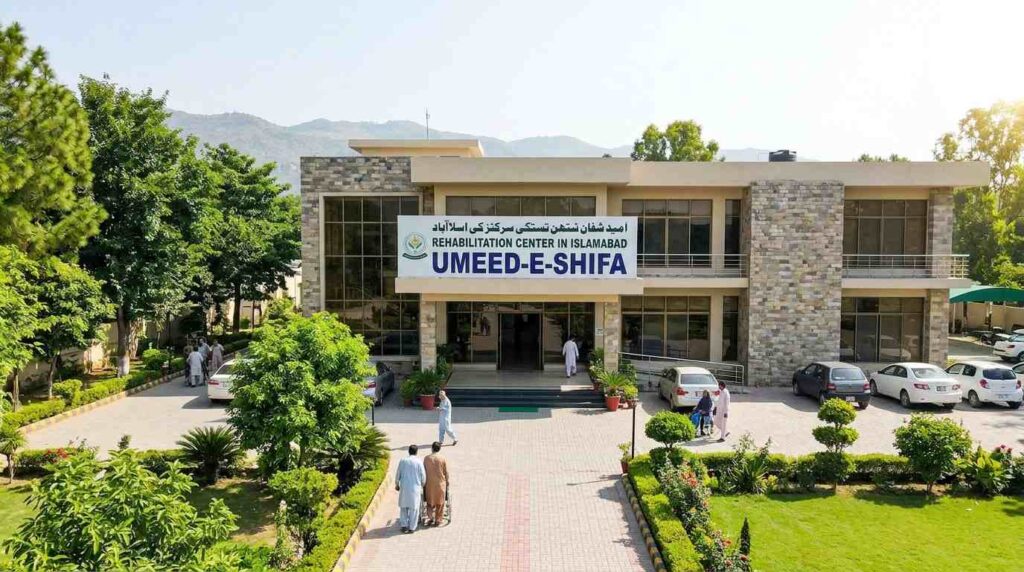
Rehabilitation Center in Islamabad | Umeed-e-Shifa
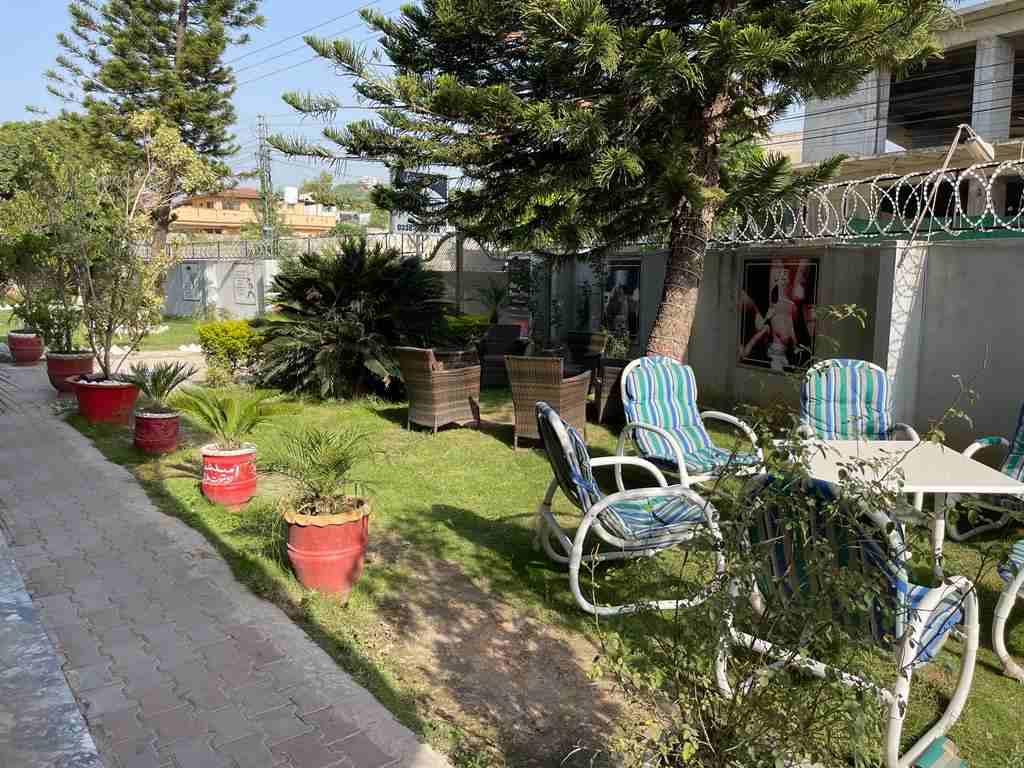
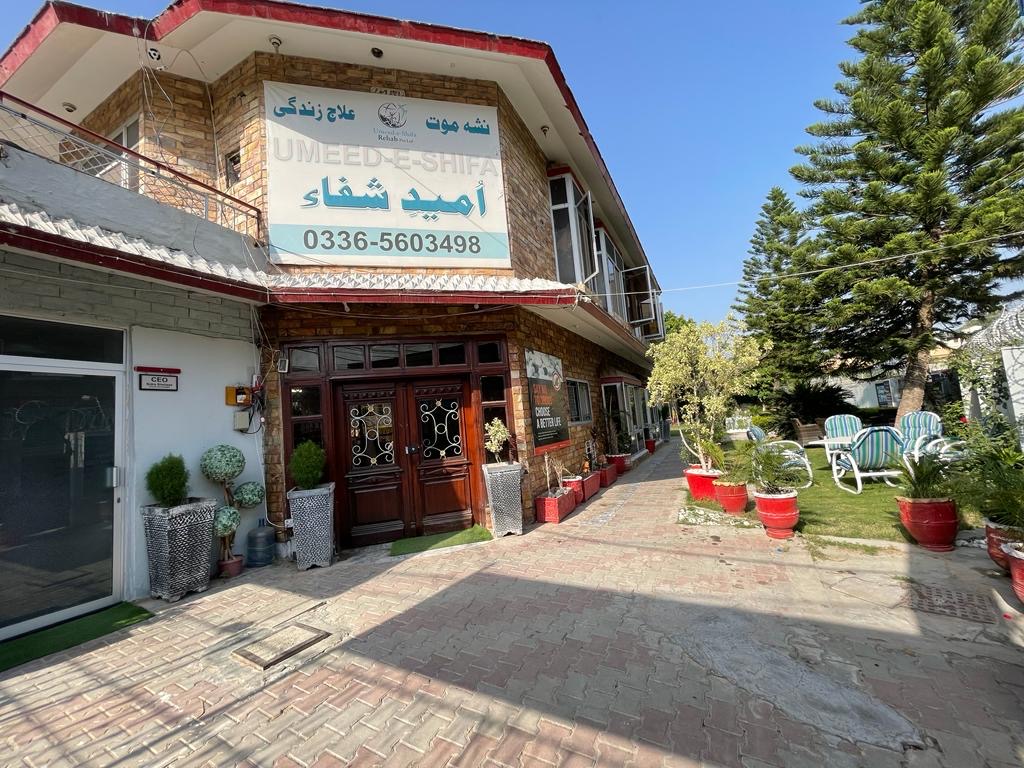
When a family reaches the point of searching for a rehabilitation center in Islamabad, they’re usually not doing it calmly. Someone is in crisis. Or maybe the crisis passed and left behind something worse — a quiet house, an unanswered question, a fear that next time might be the last time. If that’s where you are right now, this page is written for you. We’re going to cover what rehabilitation actually means in the Pakistani context, how to tell a real treatment center from one that just uses the right words, what a stay at Umeed-e-Shifa in Bani Gala actually looks like from day one, and what questions your family should be asking before signing anything. By the end, you’ll know enough to make a clear decision rather than just a desperate one. The Scale of the Problem in Pakistan Pakistan has one of the highest rates of substance use in South Asia. The numbers are hard to read but impossible to ignore: millions of people across the country are living with addiction, and a significant portion of them are between 20 and 40 years old. Opioids, heroin, cannabis, ice (methamphetamine), Xanax, and tramadol are among the substances most commonly seen in Islamabad’s treatment centers. Alcohol dependency, though less discussed, is also a regular presenting issue. Islamabad is not insulated from this. The city’s middle and upper-middle-class families tend to face the additional burden of silence. There’s more to protect — reputation, career, family standing — and so the problem is often hidden longer, which usually means it’s worse by the time help is sought. What the statistics don’t show is the exhaustion in a household where addiction has been managed privately for years. The money spent, the promises made and broken, the slow erosion of trust. That exhaustion is real, and it’s also one of the clearest signs that home management has run its course and professional treatment is the only rational next step. Understanding What Rehab Actually Is A lot of families arrive with a vague idea that rehabilitation means locking someone away until they’re better. That’s not what it is, and a facility built around that idea is one to avoid. Real rehabilitation addresses why a person uses substances in the first place, not just the fact that they do. It manages the physical side of withdrawal safely. It works on the psychological patterns underneath the addiction, which in many cases include depression, anxiety, trauma, or an undiagnosed psychiatric condition that the substance use was self-treating. And it prepares both the patient and their family for life after discharge, because the weeks immediately after leaving a center are the period of highest relapse risk. Detox alone — getting the substance out of the body — is only the beginning. It’s a necessary first step, but without the therapeutic work that follows, most people return to using within weeks. When Is It Time to Seek Professional Help This is the question most families wrestle with the longest. The honest answer is that by the time you’re searching online for rehabilitation centers, you’ve probably already passed the point where waiting made sense. More specifically, professional treatment is the right call when: None of these are moral judgments. They’re clinical indicators that the situation has moved beyond what any family can manage without medical and psychological support. What Real Treatment Quality Looks Like Not every center in Islamabad is equipped to provide genuine treatment. Some offer little more than a controlled environment, basic meals, and a wait. Knowing what to look for protects a family from spending money and time on something that won’t work. A qualified clinical team matters more than anything else. Psychiatrists and clinical psychologists — not just counselors or attendants — need to be actively involved in assessment and ongoing care. Umeed-e-Shifa’s clinical team includes a UK-trained consultant psychiatrist (MRCPsych), a consultant psychologist, a senior clinical psychologist, and MBBS-qualified medical officers. That’s the kind of depth that makes the difference between safe detox management and a medical emergency nobody was prepared for. Dual diagnosis capability is not optional for most patients. Research consistently shows that a large proportion of people with addiction also have an underlying psychiatric condition. If the center can only treat addiction and sends the mental health piece somewhere else or ignores it entirely, the treatment is incomplete. Umeed-e-Shifa treats both under one clinical roof. Individualized plans, not a standard program everyone goes through. A young man using cannabis for the first time needs a completely different approach from someone with a decade of opioid dependency. Good centers assess each case and build a plan around it. Family involvement built into the program, not an afterthought. The people who live with a person in recovery are part of the recovery. A center that keeps families entirely at arm’s length during treatment is missing a critical piece of the puzzle. Structured aftercare planning before discharge. What happens in the first 30 to 90 days after leaving residential care determines a great deal. Relapse-prevention sessions, follow-up appointments, and a clear plan for managing triggers should be in place before anyone goes home. Inpatient vs. Outpatient: Which One Is Right Inpatient (residential) treatment means the patient lives at the facility for the duration of their program. This is the right choice when: Outpatient treatment means the patient attends sessions during the day and returns home afterward. This works well when: Umeed-e-Shifa offers both formats. The intake assessment determines which is most appropriate, and that recommendation should always be based on the patient’s actual clinical situation rather than what’s most convenient or least expensive. Why Location Matters More Than Families Realize Bani Gala sits on the quieter edge of Islamabad, away from the density of sectors like F-8 or G-11, and that’s not a trivial detail. Early recovery is fragile. The brain is adjusting to functioning without a substance it’s been dependent on, and everything feels louder, more difficult, more exposed. Being in an environment that