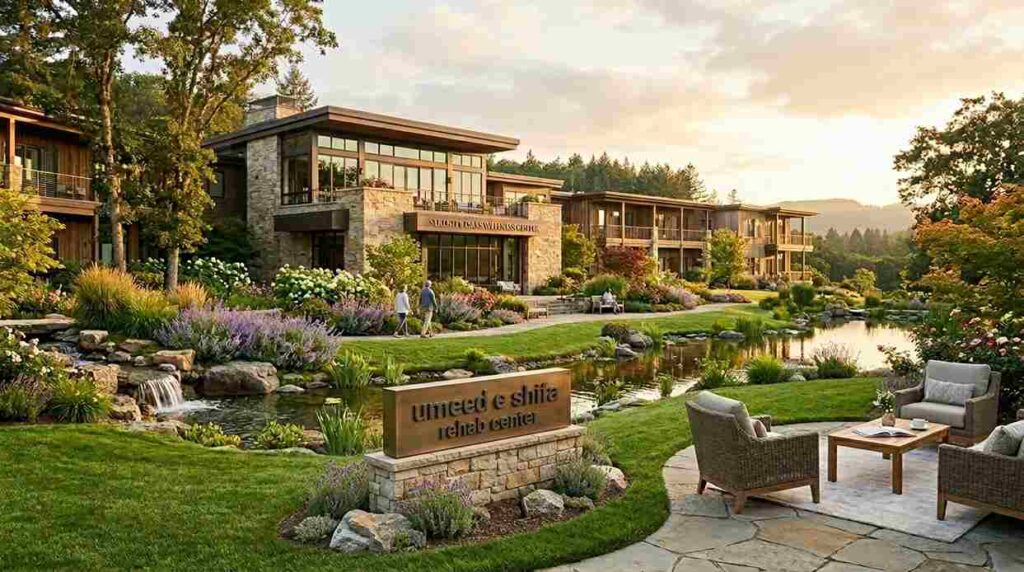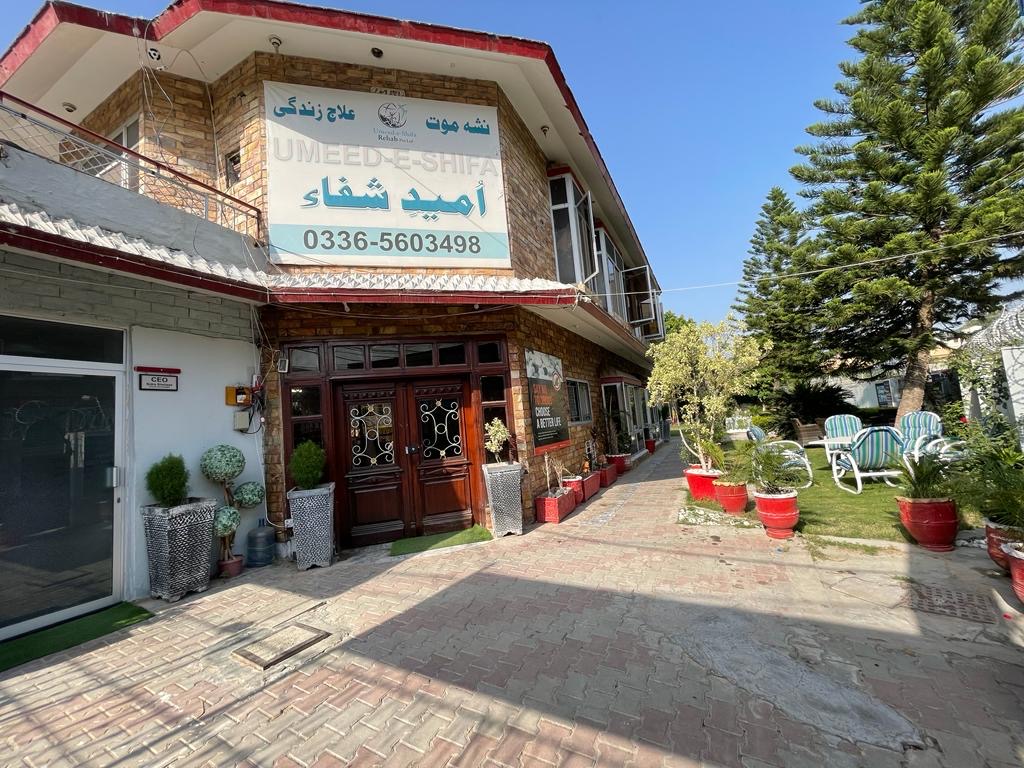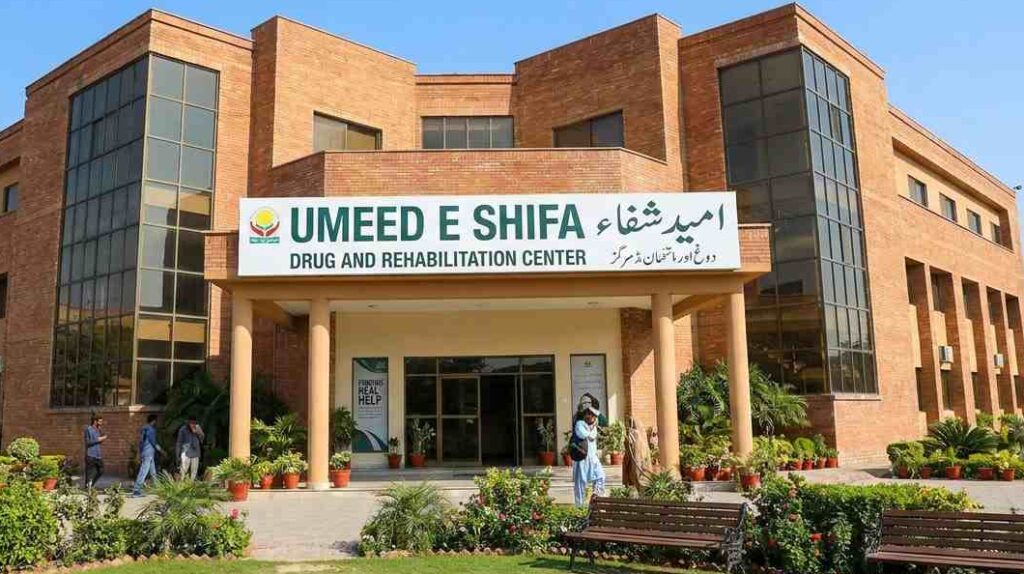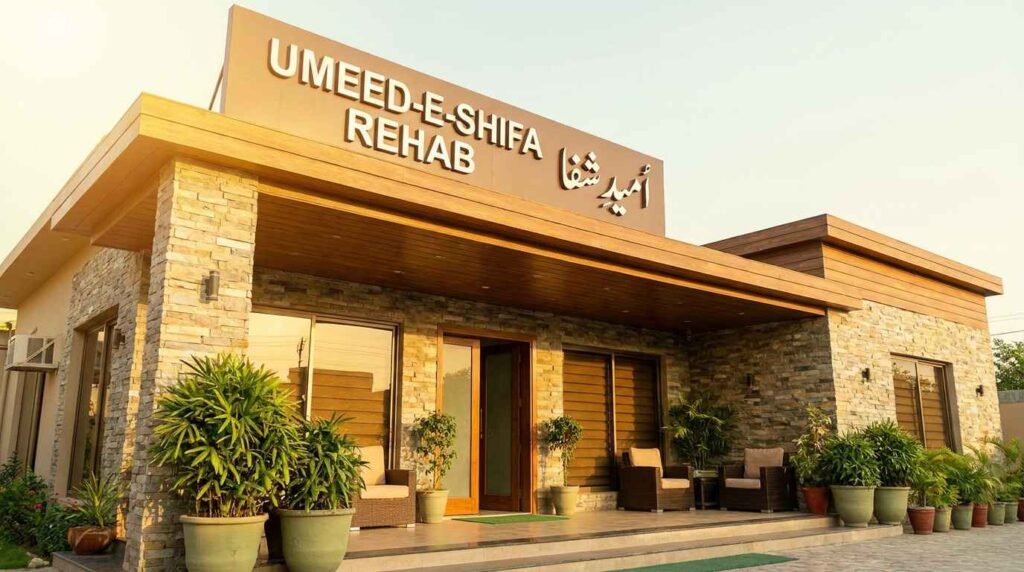
umeed e shifa rehab center

Substance Abuse and Treatment: A Guide to Rehab in Islamabad
Rehab Center Islamabad

Substance Abuse and Treatment: A Guide to Rehab in Islamabad

Someone you care about is using. Maybe it’s meth. Maybe it’s prescription opioids. Maybe it’s alcohol, quietly, for years. You’ve had the conversations that go nowhere. You’ve tried managing it inside the family. Now you’re searching for substance abuse and treatment options in Pakistan because the situation has crossed a line you can’t ignore. The search itself is a signal. It means denial is cracking. Action is close. But the gap between deciding to seek help and actually finding a rehabilitation center in Islamabad that delivers results is wide. It’s filled with facilities that look good in photos, promise complete recovery, and charge accordingly — without always having the clinical backbone to match. This guide is written for that moment. No scare tactics. No vague inspiration. Just the information you actually need to make a call you won’t regret. What Substance Abuse and Treatment Actually Means in a Pakistani Context Substance abuse treatment isn’t one thing. It’s a sequence of clinical and psychological interventions that address both the physical dependence and the underlying reasons the substance use started. In Pakistan, the conversation has shifted significantly over the past five years. Where families once treated addiction as a moral failure — something to be handled at home, hidden from relatives, corrected through religious counsel alone — there’s now growing recognition that substance use disorder is a medical condition requiring structured intervention. The United Nations Office on Drugs and Crime reported in its 2024 regional assessment that South Asia, including Pakistan, continues to see rising methamphetamine use alongside persistent opioid dependence. The numbers are not abstract. They translate directly into families in F-7, Bahria Town, and DHA sitting at dinner tables trying to figure out who to call. Treatment pathways in Pakistan now typically include: Not every facility offers all six. The gaps are where relapse finds room. The Rehabilitation Center in Islamabad Landscape: What Separates Quality from the Rest Islamabad has become a hub for rehabilitation services. The concentration of qualified psychiatrists, clinical psychologists, and medical infrastructure makes it a natural location for families seeking treatment — particularly those traveling from Peshawar, the northern districts, or even Karachi where extended family scrutiny can complicate the process. But the term rehabilitation center in Islamabad covers a wide spectrum. It includes government-linked facilities, private luxury centers, and smaller operations run by individuals with varying qualifications. Choosing wrong doesn’t just waste money. It burns the window of willingness the person struggling with addiction has briefly opened. How to Evaluate a Rehab Facility: A Practical Checklist When you call a facility, ask these questions directly. Evasive answers are a red flag. 1. Is there a licensed psychiatrist on staff — not just on call?A psychiatrist should be present daily, not visiting once a week. Substance use disorder frequently coexists with depression, anxiety disorders, PTSD, or bipolar disorder. Without psychiatric assessment, you’re treating half the problem. 2. What does the detox protocol actually involve?Vague answers like “we manage withdrawal comfortably” are not enough. Ask about specific medication protocols, 24-hour nursing availability, and the plan for managing severe withdrawal symptoms. Alcohol and benzodiazepine withdrawal can be fatal without proper medical oversight. 3. What therapy model is used?Look for facilities that explicitly mention Cognitive Behavioral Therapy, Motivational Enhancement Therapy, or the Matrix Model — all evidence-based approaches with documented outcomes. Avoid programs that rely solely on prayer, physical labor, or indefinite institutionalization as the core intervention. 4. How does the center define program completion — and what happens after?A facility should be able to describe a structured discharge plan, not just “graduates can visit when they want.” Aftercare should include scheduled follow-up sessions, a relapse prevention plan, and family involvement. 5. Can you speak to the treating team before admission?If the answer is no, you’re being sold a sales package, not a treatment plan. A legitimate facility will arrange a pre-admission assessment conversation. Umeed e Shifa Rehab Center: A Closer Look at a Named Islamabad Facility Umeed e Shifa rehab center is one of the recognized names in Islamabad’s rehabilitation sector. The facility operates with a multidisciplinary approach, bringing together psychiatrists, clinical psychologists, medical officers, and addiction counselors under one clinical roof. What distinguishes this specific center from several others in the capital is the combination of structured medical oversight with a family-integrated treatment philosophy. Rather than isolating the patient and returning them to the same home environment unchanged, the model involves family members directly in the treatment process through scheduled counseling sessions, education on addiction as a disease, and practical training on how to restructure the home environment to support recovery. The center’s approach covers the full treatment arc: medically supervised detox, individualized therapy plans, psychiatric management of co-occurring conditions, and a defined aftercare protocol. For families in the decision phase — the phase where you’re comparing facilities, weighing costs against promises, and trying to separate genuine clinical quality from marketing — this type of integrated model tends to produce more durable outcomes than facilities that rely on isolation alone. That said, no single facility is right for every case. The severity of the substance use, the presence of dual diagnosis, the patient’s age, and the family’s ability to participate in therapy all shape which environment works best. What Real Treatment Costs Look Like in Islamabad Cost is the question most families ask first and the one most websites avoid answering. Let’s break it down honestly. Facility Tier Monthly Cost Range (PKR) What You Typically Get Government-affiliated 20,000 – 50,000 Basic detox, limited therapy, shared rooms Mid-tier private 80,000 – 150,000 Medical detox, psychiatrist access, structured therapy, shared or semi-private rooms Higher-end private 200,000 – 350,000+ Private room, full psychiatric team, family therapy, recreational facilities, robust aftercare These are estimates based on Islamabad market conditions in 2026. Verify current pricing directly with each facility before making a decision. The hidden cost isn’t the program fee. It’s the cost of getting it wrong. A 30-day stay at a low-quality facility that doesn’t address the underlying psychiatric condition means the person comes home, stays clean
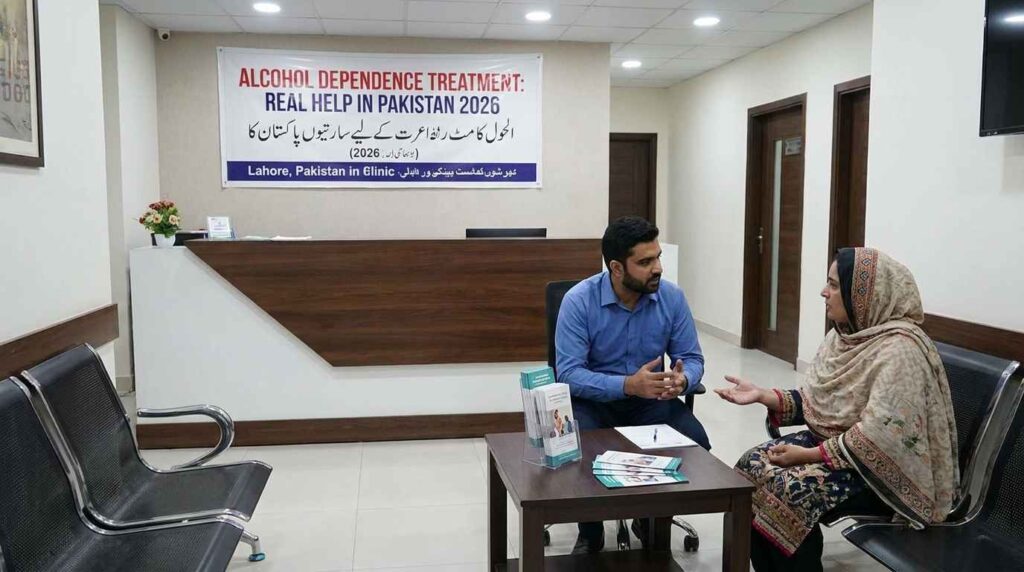
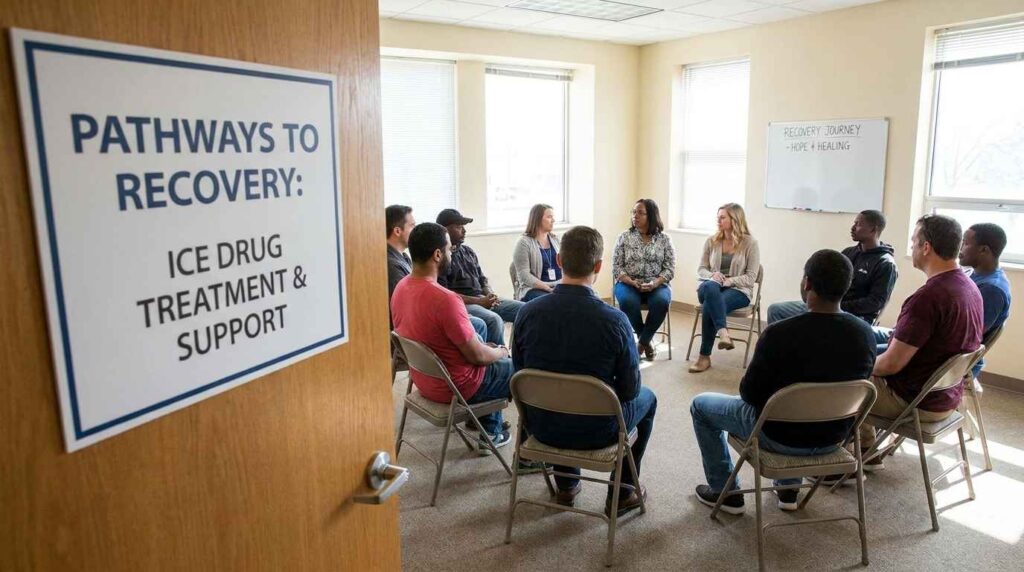
Alcohol Dependence Treatment
Alcohol Addiction Treatment

Alcohol Dependence Treatment: Real Help in Pakistan 2026

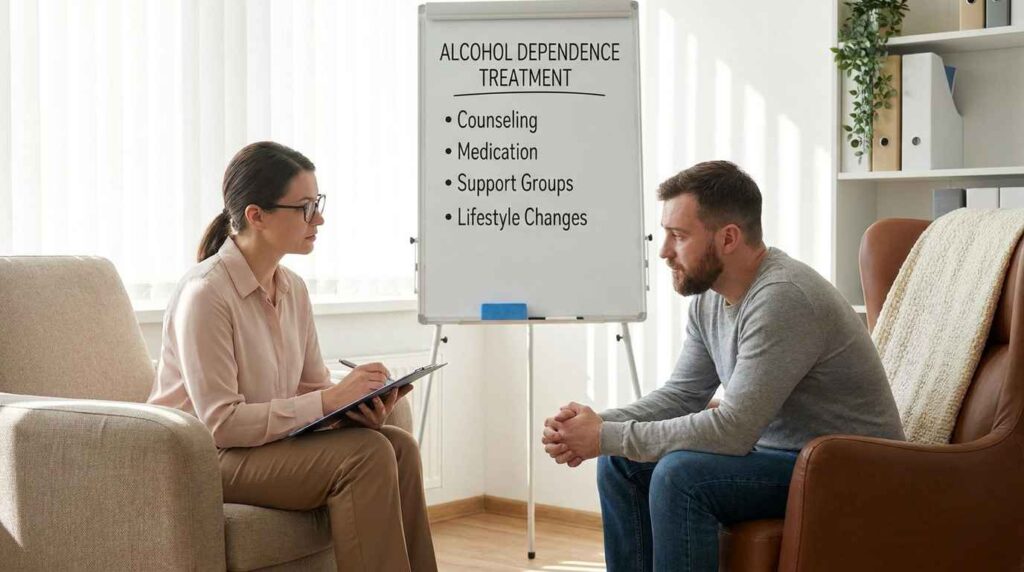
Someone you care about is drinking in a way that has stopped being a choice and started being a compulsion. Or maybe you are reading this about yourself, which takes a particular kind of courage. Either way, you are here because the situation is serious and the usual responses have stopped working. Alcohol dependence treatment in Pakistan is available, clinically structured, and more accessible than most families realize. The challenge is not the absence of options. It is understanding what real treatment involves, why it cannot be managed at home, what the medical risks are during withdrawal, and how to find a provider with the clinical depth to address the full picture, including the mental health conditions that almost always sit underneath a dependence problem. This guide gives you that clarity, without judgment and without false reassurance. What Alcohol Dependence Actually Is and Why It Requires Clinical Treatment Alcohol dependence is a chronic medical condition in which the brain and body have adapted physiologically to the presence of alcohol and require it to function without experiencing withdrawal symptoms. It is not a character failure, a spiritual weakness, or a matter of insufficient willpower. The World Health Organization’s 2022 Global Status Report on Alcohol and Health classified alcohol use disorder as a significant global public health condition affecting over 283 million people worldwide. In Pakistan, where alcohol use exists across socioeconomic strata despite legal restrictions, the condition remains substantially underreported and undertreated due to stigma. What distinguishes alcohol dependence from heavy drinking is the physiological component. A person who is alcohol dependent will experience withdrawal symptoms when they stop or significantly reduce drinking. Those symptoms range from anxiety, tremors, and insomnia at mild severity, to seizures and delirium tremens at severe severity. Alcohol withdrawal syndrome is one of the few substance withdrawal conditions that can be directly fatal without medical management. This is the clinical fact that makes home detox genuinely dangerous for anyone with significant physical dependence. Why Alcohol Withdrawal Requires Medical Supervision Alcohol withdrawal is a medical emergency for patients with significant physical dependence. This is the most important and most underestimated clinical reality in alcohol dependence treatment. The Danger of Unsupervised Detox When a person with significant alcohol dependence stops drinking abruptly, the central nervous system, which has adapted to the depressant effect of alcohol, becomes hyperactive in its absence. This produces a spectrum of withdrawal symptoms beginning within 6 to 24 hours of the last drink. Mild symptoms include anxiety, irritability, tremor, sweating, and insomnia. Moderate symptoms progress to elevated heart rate, elevated blood pressure, and nausea. Severe withdrawal, which occurs in approximately 5 percent of untreated cases according to data from the American Society of Addiction Medicine, produces seizures, hallucinations, and delirium tremens, a potentially fatal syndrome involving severe confusion, fever, and cardiovascular instability. Managing this spectrum safely requires physician oversight, vital sign monitoring, and medication including benzodiazepines such as diazepam or lorazepam to prevent and treat seizures. These are prescription medications that must be administered and monitored by qualified clinical staff. Home detox attempts, however well-intentioned, create genuine mortality risk for patients with severe dependence. What Medically Supervised Detox Involves Medically supervised alcohol detoxification is a structured clinical process lasting typically 5 to 10 days in which a physician monitors withdrawal symptom progression, administers medications to prevent seizures and manage discomfort, checks vital signs regularly, and manages any complications that arise. At Umeed e Shifa Rehabilitation Centre in Bani Gala, Islamabad, medical detox is the first phase of the residential treatment process. Patients are assessed at intake to determine withdrawal risk level, and a clinical protocol is tailored to the severity of their physical dependence. This is not the entirety of treatment — it is the medical foundation that makes therapeutic work possible. Detox addresses the physical dependency. It does not address the psychological drivers of drinking. Both require treatment. Centers that offer detox without a therapeutic program following it are providing incomplete care. The Mental Health Dimension That Most Alcohol Treatment Misses Alcohol dependence and mental health disorders co-occur at rates that make treating either one in isolation clinically inadequate. Understanding Dual Diagnosis in Alcohol Dependence Dual diagnosis is the simultaneous presence of alcohol use disorder and a co-occurring psychiatric condition. Depression, anxiety disorders, trauma-related conditions, and bipolar disorder are the most commonly co-occurring conditions in alcohol dependence cases seen at residential treatment centers across Pakistan. According to SAMHSA’s 2023 National Survey on Drug Use and Health, over 50 percent of individuals with a substance use disorder also meet diagnostic criteria for at least one co-occurring mental health condition. The causal relationship runs in both directions. Depression drives alcohol use as self-medication. Chronic alcohol use produces neurochemical changes that cause or worsen depression. Treating either without addressing the other reliably produces relapse. A rehabilitation center that assesses and treats both simultaneously through a dual diagnosis framework produces substantially better long-term outcomes than one treating addiction alone. How Umeed e Shifa Addresses Co-Occurring Conditions Umeed e Shifa Rehabilitation Centre’s clinical approach includes formal psychiatric assessment at intake. Where co-occurring depression, anxiety, PTSD, or other conditions are identified, the treatment plan incorporates psychiatric medication management, individual therapy using evidence-based modalities including Cognitive Behavioral Therapy, and group therapy sessions that normalize the experience and build coping capacity. This integration is what distinguishes a genuine rehabilitation center from a basic detox facility. The distinction matters enormously for long-term recovery outcomes. Verify current program details, availability, and pricing directly with Umeed e Shifa as program offerings change with operational updates. The Role of Therapy in Alcohol Dependence Treatment Medical detox creates the physiological window for therapeutic work. Therapy is what actually builds the skills, restructures the thought patterns, and addresses the underlying drivers that make sustained recovery possible. Cognitive Behavioral Therapy for Alcohol Dependence Cognitive Behavioral Therapy, CBT, is the most extensively evidenced psychological intervention for alcohol use disorder. The National Institute for Health and Care Excellence in the UK, whose clinical guidelines inform practice internationally, recommends CBT

Ice Drug Treatment Islamabad 2026 | Umeed e Shifa
ice addiction treatment

Ice Drug Treatment Islamabad 2026 | Umeed e Shifa

Two weeks without sleep. Jaw clenched. Skin crawling. Then the paranoia hits—someone is watching, following, waiting. This is ice withdrawal in Islamabad. Not a movie. Not someone else’s problem. Ice (crystal meth) has spread through the capital’s suburbs, hostels, and even some of its best neighborhoods faster than most families want to admit. The gap between recognizing the problem and finding real treatment kills people. Not metaphorically. Actually. This guide covers ice addiction treatment in Islamabad with zero motivational slogans. You will learn what medical detox looks like at Umeed e Shifa rehab center, what withdrawal feels like hour by hour, and why most attempts to quit alone fail within the first week. If someone you care about is using ice, read this now. If you are using ice, read it anyway. What Makes Ice Different From Other Drugs in Pakistan Ice is not heroin. The withdrawal timeline, the mental grip, and the relapse pattern are completely different. Heroin withdrawal is physically brutal but shorter. Ice withdrawal feels less like the flu and more like your brain has forgotten how to feel pleasure without the drug. That condition has a name: anhedonia. It lasts months, not days. Feature Ice (Crystal Meth) Heroin Primary withdrawal symptom Severe depression, anhedonia, paranoia Physical pain, vomiting, diarrhea Acute withdrawal duration 7–14 days 5–7 days Post-acute withdrawal syndrome 3–12+ months 1–6 months Relapse trigger Cravings + boredom + emotional crash Physical pain + cravings Medical risk during withdrawal Suicide, psychosis, dehydration Dehydration, cardiac issues Ice keeps the user awake for days. The body crashes hard. Then the user uses again just to feel normal. This cycle tightens fast—often within weeks, not years. In our work with families across Rawalpindi and Islamabad, the most common statement we hear is: “It happened so fast.” One month the person is functioning. The next month they have lost their job, sold their phone, and stopped answering calls. Ice Addiction Treatment Options in Islamabad Three pathways exist. Only one works reliably for ice. Option 1: Cold turkey at home The person stops using. No medical support. No supervision. This fails for ice nearly every time. The depression hits day three or four. Sleep does not come. The user convinces themselves “just one more time to get through this.” That one time resets everything. Option 2: Outpatient counseling The user visits a counselor weekly while living at home. This works only for very early stage use—someone who used ice three or four times, not daily. For daily users, outpatient lacks containment. The drug remains accessible. The cravings win. Option 3: Residential rehab (medical detox + structured care) The user stays at a facility like Umeed e Shifa rehab center Bani Gala. Medical staff manage withdrawal. No access to ice. Daily therapy. Structured routines. This is the only evidence-based pathway for moderate to severe ice addiction. The physical separation from the drug matters. The medical management of withdrawal matters more. Umeed e Shifa Rehab Center Bani Gala: What Treatment Actually Looks Like Umeed e Shifa rehab center operates in Bani Gala, Islamabad. The facility admits patients for ice addiction treatment with a clear protocol. Phase 1: Medical assessment (first 24 hours) A doctor evaluates the patient’s physical state. Ice use causes dehydration, malnutrition, dental problems, and in some cases, early kidney damage. The assessment identifies immediate medical risks. Phase 2: Medically supervised withdrawal (days 1–10) No medication completely stops ice withdrawal. However, certain medicines reduce the worst symptoms: The patient sleeps. Eats. Does not use ice. That is the entire goal of this phase. Phase 3: Rehabilitation and relapse prevention (days 11–45+) Withdrawal is not treatment. It is the price of admission. Real treatment at Umeed e Shifa rehab center Bani Gala includes: The patient learns to recognize triggers. More importantly, they learn what to do ten seconds before using again. Phase 4: Aftercare planning (last week of stay) No one walks out of rehab cured. They walk out with a plan. Aftercare at Umeed e Shifa includes scheduled follow-up calls, relapse emergency contacts, and family involvement in monitoring. For patients returning to the same neighborhood where they used, the plan needs to be specific—daily NA meetings, changed phone number, blocked contacts. What Ice Withdrawal Feels Like: A Real Timeline Honest expectations prevent relapse. Here is what days one through fourteen actually look like. Day Range Symptoms What Helps Days 1–3 Exhaustion, excessive sleep, hunger, irritability Sleep. High-protein meals. No demands. Days 4–7 Severe depression, anhedonia (no pleasure), strong cravings, anxiety Medical supervision critical. Suicide risk highest here. Days 8–10 Physical symptoms fade. Cravings remain intense. Mood unstable. Structured activities. Distraction. No idle time. Days 11–14 Mood lifts slightly. Energy returns. Cravings come in waves. Therapy starts working. Routine becomes possible. The patient will want to leave around day four or five. That is the addiction talking, not the person. Staff at any competent rehab center Bani Gala expects this and manages it. Why Most Families Choose Wrong and Wait Too Long Families in Islamabad delay ice addiction treatment for three predictable reasons. Reason 1: Shame “What will the neighbors say?” “What about rishtas for the other children?” Ice does not care about family reputation. By the time shame becomes the smaller problem, the user may have already stolen from the house, lost their university seat, or gotten into legal trouble. Reason 2: False hope in moderation “He can control it.” “He only uses on weekends.” Ice is not alcohol. Controlled use does not exist. The chemical structure of methamphetamine makes controlled use a fantasy. Every relapse study confirms this. Reason 3: Waiting for rock bottom Some families wait for the user to ask for help. Ice users often do not ask. The drug convinces them they are fine while their life falls apart. You do not need consent to start an intervention. You do not need the user’s agreement to contact Umeed e Shifa rehab center for guidance. The Bani Gala Factor: Why Location Matters for Recovery Umeed e Shifa

Detox Therapy in Pakistan 2026: What It Is & Where to Get Help
Rehab Center Islamabad

Detox Therapy in Pakistan 2026: What It Is & Where to Get Help

Someone in your life is using — or maybe that person is you. The question isn’t whether they need help. It’s what the first real step looks like. Detox therapy is that step. Not the motivational speech.Not the family intervention.The actual medical process that makes stopping physically possible. This guide explains: If you’re making this decision in 2026, you’re reading the right page. What Detox Therapy Actually Means Detox therapy is the medically supervised process of clearing addictive substances from the body while managing the physical symptoms of withdrawal. That last part matters. Withdrawal from certain substances — particularly alcohol, benzodiazepines, and opioids — can be life-threatening without clinical intervention. Detox is not about willpower. It’s about keeping a person alive and physically stable long enough to begin real treatment. The confusion around this term costs people time. Some assume detox is just “fasting for a few days.”Others think it means going cold turkey at home. Both misunderstandings lead to dangerous situations. Medically managed detoxification uses: to guide the body through a process it cannot safely manage alone. Common Misconception “I can detox at home if I just stop using.” For alcohol and benzodiazepine dependence, unsupervised withdrawal carries a genuine risk of seizures and death. The safest first step is always a call to a licensed facility — not a solo attempt. Detox vs. Rehabilitation: They Are Not the Same Thing Detox clears the substance. Rehabilitation addresses what caused the use in the first place. Both are necessary, but they operate in sequence. A patient who completes detox and leaves treatment has a significantly higher relapse risk than someone who transitions directly into a structured rehabilitation program. In the Pakistani context, this distinction matters because many families believe detox alone is the solution. It isn’t. Completing detox is the beginning — not the finish line. 7.6 Million People Need Treatment in Pakistan Pakistan’s drug control authority (UNODC/ANF Pakistan Report, 2023) estimates that more than 7.6 million people in Pakistan require treatment for substance use disorders. Yet fewer than 3% currently receive clinical care. That gap explains why professionally managed detox services are becoming increasingly important across the country. The Detox Process: What Happens in the First 72 Hours The first three days are typically the most demanding. Depending on the substance and the severity of dependence, the timeline shifts — but the clinical sequence remains consistent across quality facilities. 1. Assessment A clinical intake interview plus basic bloodwork. The physician needs to know: before designing the withdrawal protocol. 2. Stabilization Medications are introduced to reduce withdrawal severity. For opioid dependence, this often involves: For alcohol withdrawal, benzodiazepines are monitored and tapered carefully. 3. Monitoring Vital signs, hydration, and psychological state are tracked continuously. Any sudden deterioration triggers immediate medical response — something impossible in a home setting. 4. Transition Planning Before discharge from detox, a responsible center builds the next phase of the patient’s care plan. This includes: 5. Clearance Once stable and past acute withdrawal, the patient is assessed for readiness to enter rehabilitation. This usually happens between day 5 and day 14, depending on the substance. Withdrawal Timelines by Substance Substance Onset of Withdrawal Peak Severity Clinical Risk Level Heroin / Opioids 8–24 hours after last use 36–72 hours Moderate – High Alcohol 6–12 hours 24–72 hours Very High (seizure risk) Benzodiazepines 1–4 days Day 5–10 Very High Crystal Meth / Ice 24–48 hours Day 2–4 Moderate (psychological) Cannabis (heavy use) 24–72 hours Day 2–6 Low – Moderate Prescription Painkillers Varies by type Day 1–3 Moderate Umeed e Shifa Rehabilitation Center: Pakistan’s Best Detox Therapy Option Umeed e Shifa Rehabilitation Center in Islamabad is not simply another listing on a directory. It is among the most clinically structured, professionally managed addiction treatment facilities in Pakistan — and for families considering detox therapy, the distinction is significant. Located in Bani Gala, one of Islamabad’s most serene and private areas, the center offers what urban general hospitals cannot: not just temporary stabilization. Why Location Matters in Detox The Bani Gala rehab center setting at Umeed e Shifa removes patients from the social and environmental triggers that fuel continued use. In addiction medicine, environmental change during early recovery measurably reduces the likelihood of early relapse. What Makes Umeed e Shifa Different from Standard Facilities Feature Umeed e Shifa (Islamabad) Typical Pakistan Rehab Facility Medical Supervision 24/7 physician + psychiatric staff Daytime staff only or none Detox Protocol Individualized, evidence-informed Generic or unstructured Dual Diagnosis Yes – co-occurring mental health treated Rarely addressed Family Involvement Structured family counseling sessions Minimal or absent Aftercare Planning Included before discharge Usually absent Setting Private, residential, Bani Gala Urban, clinical, often shared ward Confidentiality High – residential separation Variable The Dual Diagnosis Advantage A significant proportion of people in Pakistan seeking detox therapy are dealing with more than addiction alone. Conditions commonly seen alongside addiction include: Many facilities treat the addiction and send the patient home — only for the untreated mental health condition to drive relapse within weeks. Umeed e Shifa addresses this directly. Psychiatric evaluation is part of the intake process, not an afterthought. When a co-occurring condition is identified, treatment runs concurrently — which is why the center’s outcomes are meaningfully better for patients with complex presentations. Clinical Reality “Detox without addressing the underlying mental health picture is like draining a wound without treating the infection.” Who Actually Needs Detox Therapy — and Who Can Wait Not everyone seeking addiction help needs a full inpatient detox. The clinical decision depends on: Inpatient Detox Is Usually Needed For: Higher Risk Without Clinical Support The following situations dramatically increase medical risk: For alcohol and opioid dependence especially, home detox is not a safe substitute for clinical care. This reflects standard guidance from: Not Sure If Inpatient Detox Is the Right Step? Umeed e Shifa offers confidential pre-admission consultations to assess the appropriate level of care. A clinical assessment typically takes around 20 minutes. Information is not shared without patient consent. What Does Detox Therapy

Alcohol Dependence Treatment in Pakistan: 2026 Guide
Alcohol Addiction Treatment

Alcohol Dependence Treatment in Pakistan: 2026 Guide

Someone in your family is drinking heavily and can’t stop. Or maybe it’s you. Either way, you’re searching in a country where this topic is publicly taboo and privately widespread — which makes finding real, honest information harder than it should be. Alcohol dependence treatment is not willpower. It’s a medical process. It requires detoxification, psychiatric support, behavioral therapy, and a structured aftercare plan. Without all four components, relapse rates are high — and in Pakistan, most people relapse because they accessed incomplete treatment or none at all. This guide covers what dependence actually is, what treatment looks like step by step, and how to choose a facility in Islamabad that delivers real clinical outcomes. What Is Alcohol Dependence — and How Is It Different From Heavy Drinking? Alcohol dependence is a medical condition in which the brain and body require alcohol to function normally. Without it, the person experiences physical withdrawal — tremors, sweating, anxiety, seizures in severe cases — not just discomfort or cravings. Heavy drinking is a behavior. Dependence is a neurological state. This distinction matters enormously for treatment. A heavy drinker can reduce or stop with counseling and motivation. A person who is physically dependent cannot safely stop without medical supervision. Attempting cold-turkey withdrawal from severe alcohol dependence without medical support can be fatal — seizures and a condition called delirium tremens (DTs) are genuine medical emergencies. According to a review published in the International Journal of Endorsing Health Sciences Research, out of an estimated 10 million alcohol users in Pakistan, approximately one million develop alcohol use disorders — a number that has grown as stress, urbanization, and economic pressure have increased across major cities including Islamabad, Karachi, and Lahore. The shame attached to alcohol use in Pakistan means most of these individuals never seek formal treatment. Families manage it in silence until a crisis forces action. The Four Stages of Alcohol Dependence Treatment Effective alcohol dependence treatment follows a clinical sequence. Skipping any stage dramatically reduces the chance of lasting recovery. Stage 1 — Medical Detoxification Detox is the process of clearing alcohol from the body under medical supervision. For anyone with physical dependence, this is not optional — it’s the foundation everything else is built on. During detox, a psychiatrist or addiction medicine physician monitors the patient for withdrawal symptoms and administers medications to manage them safely. The most commonly used protocol involves benzodiazepines — typically diazepam or lorazepam — which prevent seizures and reduce the severity of withdrawal. In severe cases, IV fluids, thiamine supplementation, and 24-hour monitoring are required. Detox typically takes 5 to 10 days depending on the severity of dependence and the patient’s physical health. It is not treatment in itself. It is preparation for treatment. A facility that calls detox the complete program is not offering adequate care. Stage 2 — Psychiatric Assessment and Dual Diagnosis Most people with alcohol dependence have an underlying condition driving the drinking — depression, anxiety, trauma, or stress-related disorders. In clinical practice, this is called a dual diagnosis or co-occurring disorder. If the psychiatric condition is not identified and treated alongside the addiction, the risk of relapse is very high. The patient gets sober, the underlying mental health issue resurfaces, and alcohol becomes the coping mechanism again. A proper psychiatric assessment at admission covers mental health history, family background, trauma, and current psychological state. Treatment then addresses both conditions simultaneously — not sequentially. Stage 3 — Behavioral Therapy and Counseling This is the longest and most critical phase. Behavioral therapy changes the thought patterns, triggers, and coping mechanisms that drive drinking behavior. The most evidence-supported approaches for alcohol dependence include: Cognitive Behavioral Therapy (CBT) — identifies and restructures the thought patterns that lead to alcohol use Motivational Enhancement Therapy (MET) — builds internal motivation for change, particularly effective in patients who are ambivalent 12-Step Facilitation — a structured peer support model originally from Alcoholics Anonymous, adapted in various clinical settings Family Therapy — addresses the family dynamics that often enable or trigger relapse In the Pakistan context, family involvement in therapy is particularly important. The family system plays a central role in both enabling addiction and in supporting recovery. Facilities that offer structured family counseling sessions produce better long-term outcomes than those that treat the patient in isolation. Stage 4 — Aftercare and Relapse Prevention Planning Recovery does not end at discharge. The first 90 days after leaving a residential facility are the highest-risk period for relapse. A solid aftercare plan includes scheduled follow-up psychiatric appointments, outpatient counseling, a documented relapse prevention strategy, and ideally a peer support network. Without this, even patients who complete a full residential program often relapse within weeks of going home. Ask any facility about their aftercare protocol before admission. If they can’t describe it clearly, that’s a gap in their care model. Umeed-e-Shifa Rehabilitation Center, Bani Gala, Islamabad Umeed-e-Shifa Rehabilitation Center is an addiction and psychiatric treatment facility located at House No. 1, Durrani Street, Main Jinnah Road, Bani Gala, Islamabad. Established in 2020, it is registered with SECP and the Islamabad Health Regulatory Authority (IHRA) — two credentials that matter when evaluating any Pakistani rehab facility. Bani Gala’s location is deliberate. Distance from the urban environment, social triggers, and easy access to alcohol is a well-established factor in residential treatment effectiveness. The quieter, greener setting reduces stimulation and supports the kind of psychological reset that early recovery requires. What Umeed-e-Shifa Offers The center provides treatment for substance use disorders including alcohol dependence, drug addiction, and prescription medication misuse, alongside psychiatric conditions. Their clinical team includes psychiatrists, medical doctors, clinical psychologists, and paramedical staff. Key treatment components offered: — Medical detoxification with psychiatric supervision — Individual and group counseling — Psychiatric assessment and dual diagnosis treatment — Family counseling and family involvement in the recovery process — Child IQ and psychological assessments (for broader psychiatric services) The consultation fee listed on oladoc.com is PKR 3,500 — verify current fees and availability directly with the center before

Islamabad Mental & Wellness Center
Rehab Center Islamabad

Islamabad Mental & Wellness Center 2026 – Honest Review

You’ve been searching for hours. A family member needs help. The arguments are getting worse. Sleep is gone. And every rehab website in Islamabad sounds exactly the same: soft lighting, vague promises, and zero hard information. Here’s what you actually need to know. An Islamabad mental & wellness center can be life-saving or a complete waste of money and time. The difference isn’t the building or the website. It’s the actual treatment protocol, staff credentials, and what happens after discharge. Let’s cut through the marketing and look at real decision factors for 2026. What Does an Islamabad Mental & Wellness Center Actually Treat? Most people assume “wellness center” means stress management and yoga. Some do only that. Others provide full medical rehabilitation for substance use disorders and serious mental health conditions. The legitimate centers in Islamabad typically treat: Here’s what you won’t see on most websites: many centers claim to treat everything. They don’t. A clinic with two visiting psychiatrists cannot manage complex trauma or dual diagnosis properly. Ask directly what conditions their team has treated in the last six months. The Missing Question No Center Wants You to Ask What happens when treatment fails? Not if. When. Relapse rates for substance use disorders run between 40 and 60 percent globally according to the 2025 World Drug Report. Pakistan has no publicly tracked data, but local practitioners we’ve spoken with estimate similar numbers. The best mental health treatment Pakistan facilities build this reality into their program. They have a documented relapse protocol. They offer reduced-cost readmission. They maintain contact for at least three months post-discharge. Most centers do none of this. You pay again. Full price. No questions asked. Before signing anything, ask: “What is your readmission policy for someone who relapses within 90 days?” If they hesitate or give vague reassurance, that’s your answer. Umeed e Shifa Rehab Center vs. Other Islamabad Options Umeed e Shifa has become a recognized name in Islamabad’s recovery space. Let’s be direct about what they do well and where gaps remain. Factor Umeed e Shifa Rehab Center Typical Islamabad Competitor Medical detox availability Yes, on-site Often outsourced or not available Staff-to-patient ratio 1:4 reported 1:8 or higher Family therapy included Yes, weekly sessions Extra charge or not offered Aftercare program 3 months basic follow-up None or paid only Cost range (2026, 30-day) PKR 180,000 – 250,000 PKR 120,000 – 350,000 Who Umeed e Shifa is best for: Families willing to pay mid-range pricing for structured medical oversight and documented aftercare. Who should look elsewhere: Patients with primary psychosis disorders requiring psychiatric hospitalization, or families on a tight budget under PKR 150,000. One gap worth noting: their aftercare program exists but varies significantly by which counselor you’re assigned. We have seen families report excellent follow-up and others receive nothing beyond a single phone call. Rehabilitation Center in Islamabad: Inpatient vs. Outpatient Reality Here is where most advice fails. Standard recommendations say: inpatient for severe cases, outpatient for mild cases. That’s technically correct but useless for decision-making. Let’s reframe this. Inpatient (residential) works when: Outpatient works when: The most honest best drug rehabilitation center in Islamabad will offer both and help you choose honestly. Be extremely skeptical of any center that pushes inpatient without asking these qualifying questions first. The Cost Table No One Publishes Here is actual 2026 pricing from verified centers in the capital. Prices change. Verify directly. Service Type Low Range (PKR) High Range (PKR) Typical Duration Outpatient weekly therapy (individual) 5,000 12,000 Per session Intensive outpatient (3-5 days/week) 35,000 70,000 Monthly 30-day inpatient (shared room) 120,000 200,000 30 days 30-day inpatient (private room) 200,000 400,000 30 days Medical detox (additional) 50,000 100,000 5-10 days Aftercare program (post-discharge) 15,000 40,000 3 months Hidden costs most families miss: Ask for a single all-inclusive quote in writing before admission. If they refuse, walk away. Five Credentials That Actually Matter Not degrees on a wall. Not testimonials. These five things separate serious centers from marketing operations. 1. Current PMDC registration for all medical staffCheck registration numbers online. Expired licenses happen more often than you’d think. 2. Written relapse prevention plan before dischargeIf they cannot produce one, they are not doing evidence-based work. 3. Named psychologist or psychiatrist assigned per patientRotating duty doctors mean no one knows your case. Ask for one named point person. 4. Documented discharge summary with specific aftercare appointmentsVague verbal advice is worthless. You need clinic names, dates, and contact numbers. 5. Complaint and grievance procedure in writingSerious centers have this. Non-serious centers say “we handle everything personally.” According to the Pakistan Medical & Dental Council’s 2024 enforcement report, over 30% of private mental health facilities inspected had at least one major documentation or staffing violation. Do not assume compliance. What Actually Changes After 30 Days The stay itself is not the solution. It is a pause. Real recovery shows up in month two and three, when the structure disappears and the person returns to the same environment that enabled the problem. A mental health treatment Pakistan center worth paying for builds its value into that transition. The programs with the strongest outcomes share three features: Without these, you have paid for a break, not a cure. When the Popular Recommendation Fails Completely The most common advice is “send them to rehab.” It fails in three scenarios. Scenario one: The person does not want help. No center in Islamabad can force engagement. Involuntary admission without internal motivation has success rates below 10% in published studies. Save your money. Focus on motivational interviewing first. Scenario two: Active psychosis or mania. Standard wellness centers are not psychiatric hospitals. They lack seclusion rooms, emergency medication protocols, and 24-hour psychiatric coverage. This requires a psychiatric unit, not a rehab. Scenario three: The family is the primary trigger. If parents, spouse, or children enable the behavior, sending only the patient guarantees relapse. The family needs parallel treatment. Most centers offer this poorly or not at all. Be honest about which scenario you are in. The wrong choice makes things worse. Why Location in Islamabad Matters (And Why It Doesn’t)

Anxiety Treatment Islamabad: No-BS Costs & Rehab Guide 2026
Mental Health Treatment

Anxiety Treatment Islamabad: No-BS Costs & Rehab Guide 2026

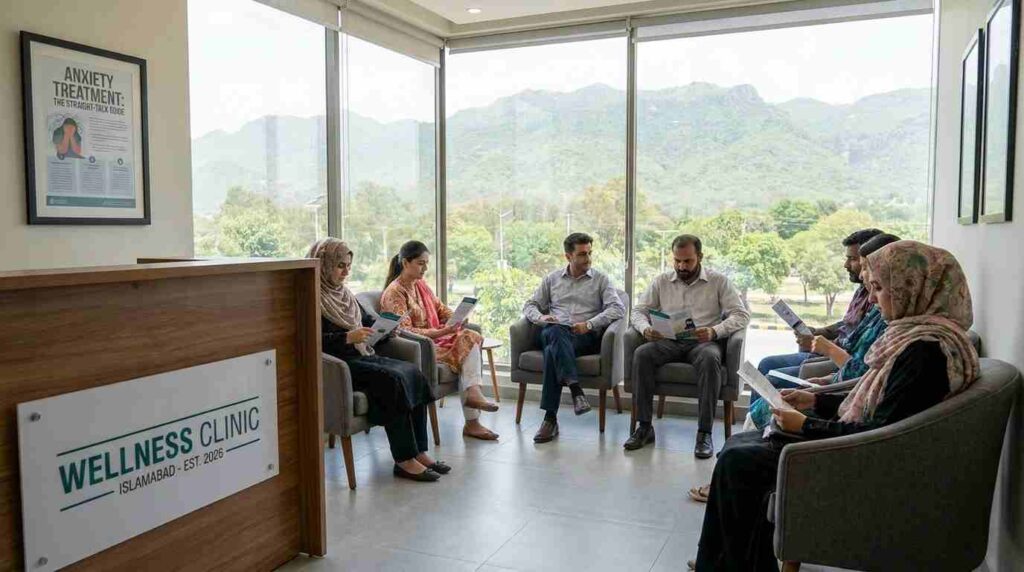
Anxiety Treatment in Islamabad: The Straight-Talk Guide for 2026 Here’s the deal. If you’re searching for anxiety treatment in Islamabad, you’ve already seen the fluffy promises. “Holistic healing.” “Luxury rehab.” None of that matters if the program doesn’t match your actual condition. The real question is simple: What treatment will actually work for my anxiety, right now, without bankrupting me? I’ve analyzed the clinics, the costs, and the outcomes. This page gives you the no-BS framework to decide—whether you need a therapist in F-7 or a residential program in Bani Gala. The best anxiety treatment in Islamabad depends on severity. Mild cases need CBT therapy (Rs. 3,000–8,000/session). Severe or dual-diagnosis cases often require a residential rehabilitation center like Umeed e Shifa (Rs. 70,000–150,000/month). Always verify PMDC registration and ask for a written aftercare plan before committing. What Type of Anxiety Treatment Do You Actually Need? Anxiety isn’t a one-size-fits-all problem. The treatment you pick should match the damage it’s causing to your daily life. Here’s the breakdown most Islamabad clinics won’t show you upfront. Your Situation The Right Level of Care Why You’re working but constantly worried Outpatient therapy (CBT) Builds coping skills, keeps your routine Physical symptoms rule your day (panic attacks, nausea) Psychiatric medication + therapy Meds calm the nervous system; therapy fixes the root You can’t leave home or function at all Intensive outpatient or residential Structured environment halts the downward spiral Therapy failed, or substance use is involved Rehabilitation center Addresses both issues safely under one roof Pro tip: Don’t start with the most expensive option. Start with a diagnosis. A single 90-minute psychiatric evaluation (Rs. 5,000–10,000) will save you years of wrong turns. Therapy in Islamabad: What Works, What’s Fluff Let me be blunt. Not all therapy is created equal. Cognitive Behavioral Therapy is the gold standard. It’s data-backed, practical, and time-limited. In Islamabad, skilled CBT practitioners charge Rs. 3,000–8,000 per session. You should see a 50% reduction in symptoms within 12–16 sessions. If you don’t, the therapist or the method isn’t working. What about Islamic counseling? For many in Islamabad, integrating faith-based coping makes the difference between dropping out and finishing treatment. The best therapists here blend CBT with Islamic principles naturally—you don’t have to explain your context. This is a local advantage you won’t find in generic Western guides. The medication question. SSRIs like escitalopram are first-line. They’re not addictive. They take 4–6 weeks. If a clinic hands you benzodiazepines (Xanax, Rivotril) for daily use and doesn’t give you a taper plan, run. The DRAP 2025 advisory explicitly warned against long-term benzo scripts. That’s a red flag you can verify today. When Should You Check into a Rehabilitation Center? A rehabilitation center in Islamabad is not a spa. It’s a medical facility. Use it when outpatient care fails. You’re a candidate for residential treatment if you check two or more of these boxes: Bani Gala has become a hub for these centers because of its quiet, trigger-free environment. But the location doesn’t matter if the clinical team is weak. Focus on the staff, not the scenery. Umeed e Shifa Rehab Center: The On-the-Ground Reality I’m going to give you the honest pros and cons, because no one else does. Umeed e Shifa Rehab Center offers 30- to 90-day programs in Bani Gala. Their model combines daily psychiatric checks, individual therapy, and family counseling. Pros: Cons: Before you pay a rupee, visit. Ask to see the PMDC registration of the psychiatrist. Watch how staff speak to patients. Any hesitation? Leave. The Real Cost of Anxiety Treatment in Islamabad (2026 Data) Price opacity is a scam. Here are the hard numbers collected from clinics and centers in early 2026. All figures should be confirmed directly, but this sets your baseline. Service Cost Range (PKR) Insider Note Psychiatrist consult (private, 45 min) 4,000–10,000 Government OPDs: as low as Rs. 200 CBT therapy session (50 min) 3,000–8,000 Online sessions cut this by 20–30% Monthly generic SSRIs 1,500–5,000 Branded versions triple the price Intensive outpatient program (month) 40,000–80,000 3–4 days a week, group + individual Residential rehab (month) 70,000–200,000 Umeed e Shifa sits near Rs. 80k–150k The hidden cost nobody talks about? Post-treatment therapy. You’ll need at least 6 months of follow-up sessions after discharge. Add Rs. 50,000–100,000 to your budget. 3 Costly Mistakes Islamabad Residents Make How to Make a Decision Today (5-Step Checklist) If you’re still stuck, many reputable centers offer a free 15-minute phone assessment. Call and ask directly: “What level of care does my case likely need?” A straight answer signals honesty. A sales pitch signals danger. CONCLUSION The truth about anxiety treatment in Islamabad is not that it’s scarce—it’s that quality is uneven. You now know the cost ranges, the right questions, and the difference between a solid rehab like Umeed e Shifa and a facility that’s just a pretty location. There is no magic cure. There’s only the right match between your severity and the treatment level. That match is what this guide helps you find. Make the call. Ask the hard questions. And do not settle for a program that won’t prepare you for the life waiting after discharge. FAQ SECTION 1. What’s the fastest anxiety treatment in Islamabad?There is no instant fix. Fastest reduction often comes from a combination of medication (4–6 weeks) and intensive CBT. But rapid relief without skill-building leads to relapse. 2. How do I verify a psychiatrist’s license?Ask for the PMDC registration number and check it on the Pakistan Medical and Dental Council’s online portal. Do this before your first appointment. 3. Does Umeed e Shifa treat anxiety without substance abuse?Yes. They accept primary anxiety cases, but their program is built for severe, treatment-resistant conditions. If you have mild anxiety, outpatient therapy is a better, cheaper first step. 4. Are online therapy sessions effective for anxiety?For mild to moderate anxiety, yes. Data from local platforms shows 70-80% of clients report improvement. It’s a viable, cheaper alternative. 5. What if I can’t afford private anxiety treatment?Use government hospital OPDs at PIMS or Polyclinic. Consultations

addiction treatment center islamabad
Uncategorized

Umeed e Shifa: Addiction Treatment Center Islamabad That Delivers

Umeed e Shifa: The Addiction Treatment Center Islamabad Families Count On Your brother agreed to get help. After months of broken promises and sleepless nights, he finally said yes. Now you need a place that won’t waste that fragile willingness. Somewhere with real doctors, not untrained attendants. Somewhere that treats addiction as a medical condition, not a moral failure. Somewhere that answers the phone at 2 a.m. Umeed e Shifa rehab center has built its reputation on being that place. As an addiction treatment center Islamabad families return to, it provides medically supervised detox, psychological rehabilitation, and long-term aftercare under one roof, with a multidisciplinary team that includes qualified psychiatrists, clinical psychologists, and trained addiction counsellors. This guide explains what makes Umeed e Shifa different, what treatment involves, what it costs, and what to expect when you walk through the doors. No empty promises. Just the information you need to make a decision that holds. Why Umeed e Shifa Is the Best Drug Rehabilitation Center in Islamabad Addiction treatment fails for two reasons: the facility isn’t equipped, or the family isn’t involved. Umeed e Shifa addresses both. The centre operates with a registered medical team. A psychiatrist oversees every case. Clinical psychologists deliver one-on-one therapy. Addiction counsellors run group sessions and family programmes. This is not a centre where patients sit idle and wait for willpower to arrive. It’s a structured, evidence-based programme rooted in cognitive behavioural therapy, medication-assisted treatment where appropriate, and a deep understanding that addiction is a chronic brain condition requiring medical management. What families notice first is the transparency. There is no vague pricing, no hidden fees, and no refusal to let you see the facility. The team provides a written treatment plan before admission, walks you through the detox protocol, and explains the therapy schedule in plain language. For a family in crisis, that clarity is worth more than any luxury feature. The centre also treats dual diagnosis cases. When addiction coexists with depression, anxiety, or trauma, treating only the substance use guarantees relapse. Umeed e Shifa’s integrated approach means the psychiatrist manages both the addiction and the underlying psychiatric condition from day one. The Treatment Programme at Umeed e Shifa Treatment follows a clear structure. No guesswork. No experimental methods. The first stage is medical detoxification. Under 24-hour supervision, the patient clears the substance from their body while medications manage withdrawal symptoms. Opioid withdrawal causes severe muscle pain, diarrhoea, vomiting, and insomnia. Alcohol withdrawal can be life-threatening. Attempting this at home is both painful and dangerous. At Umeed e Shifa, vital signs are monitored continuously, and medication protocols are adjusted based on how the patient responds. The second stage is active rehabilitation. Once the acute withdrawal phase passes, the psychological work begins. Individual cognitive behavioural therapy sessions help the patient understand the triggers that drove their addiction. Group counselling connects them with others facing the same struggle. Family therapy begins to repair the damage addiction caused at home. The programme runs 30 to 90 days depending on the severity of the addiction and the presence of any co-occurring conditions. For families considering a shorter stay, the centre offers a 30 day detox program Pakistan that covers medical stabilisation and the initial phase of psychological treatment. For moderate to severe addiction, particularly involving heroin, methamphetamine, or long-term alcohol use, the full programme produces significantly better outcomes. The third stage is aftercare. A patient who leaves rehab is medically stable but psychologically vulnerable. If they walk back into the same environment with no support, relapse is almost certain. Umeed e Shifa builds an aftercare plan before discharge that includes scheduled outpatient sessions, a written relapse prevention strategy, and family agreements about boundaries and accountability. The team stays connected long after the residential programme ends. What Treatment Costs at Umeed e Shifa The cost of treatment depends on programme length, accommodation level, and medical complexity. What sets Umeed e Shifa apart is the transparency. The team provides a written cost breakdown before admission. No hidden charges. No surprise fees halfway through the programme. Private rehab in Islamabad typically ranges from PKR 80,000 to PKR 300,000 for a 30-day stay. Umeed e Shifa offers programmes across that spectrum, with fees reflecting the level of medical staffing and therapy intensity required. A family member can call the centre directly to discuss the specific needs of the patient and receive a clear quote. Verify current pricing directly with the centre before committing. The fact that they provide a written breakdown without hesitation is itself a trust signal. What to Expect When You Walk Through the Doors The first contact is usually a phone call. A family member explains the situation. The admissions team asks about the substance, the duration of use, any previous treatment attempts, and any known mental health conditions. This call determines whether Umeed e Shifa is the right fit and what level of care is needed. Once admitted, the patient undergoes a comprehensive medical and psychiatric assessment. The psychiatrist evaluates the severity of dependence and screens for co-occurring conditions. The clinical team then develops an individualised treatment plan. The environment is structured. Wake-up times, meals, therapy sessions, group activities, and rest periods are all scheduled. This structure is deliberate. Addiction destroys routine. Rebuilding a predictable daily rhythm is part of the recovery process. Family involvement is expected, not optional. The centre runs family therapy sessions because addiction doesn’t happen in isolation, and recovery doesn’t either. Families learn how to support without enabling, how to set boundaries without pushing the person away, and how to recognise the early signs of relapse. Seven Questions to Ask Before Admitting a Family Member If you’re considering Umeed e Shifa, or any rehab centre, walk in with these questions. A legitimate facility answers every one. At Umeed e Shifa, these questions are welcomed. If a facility deflects them, walk away. Finding the best drug rehabilitation center in Islamabad is not about the biggest building or the flashiest website. It’s about medical competence, transparency, and a programme that holds

Best Mental Health Facilities
Mental Health Treatment

Best Mental Health Facilities Pakistan (2026 Guide)

You’re looking for a mental health facility, possibly for substance use, severe anxiety, or a family member who needs more than outpatient counseling. The search results throw up names — private rehab centers in Islamabad, a “30‑day detox program Pakistan” promise, maybe even a facility called Umeed e Shifa. But how do you tell a legitimate treatment centre from a converted guesthouse that holds patients without real clinical oversight? That’s the gap this guide closes. We won’t give you a feel‑good list. Instead, you’ll get the practical framework used by clinicians, not marketers, to judge a facility. You’ll learn which questions expose a weak program, why a 30‑day detox is rarely the end of treatment, and what to expect when a facility markets itself as the “best drug rehabilitation center in Islamabad.” No fluff. Just decision‑level detail. What “Best” Actually Means for a Mental Health Facility “Best” gets thrown around so loosely in Pakistan’s private healthcare sector that it’s almost meaningless. The phrase “best mental health facilities” only becomes useful when you tie it to a specific clinical need. A facility that’s excellent for medically supervised heroin detox may be useless for a patient with severe depression and no addiction history. So let’s pin the term down. In the mental health treatment Pakistan landscape, a high‑quality facility consistently delivers three things: A facility that can’t describe its staffing model or aftercare plan in plain language isn’t your best option, no matter how polished its website. Types of Mental Health and Rehabilitation Centres in Pakistan In practice, you’ll encounter four broad models. Understanding them prevents you from overpaying for a setting that doesn’t match the condition. Facility Type Best For Typical Setting Staffing Reality Monthly Cost Estimate (PKR, 2026) Government hospital psychiatric unit Acute psychosis, severe depression, initial stabilisation Public teaching hospital Consultant psychiatrist, resident doctors, minimal therapy staff Free or nominal Private psychiatric ward (general hospital) Mood disorders, dual diagnosis with medical complications Private hospital in major city Psychiatrist, nursing staff, visiting psychologist 150,000 – 300,000 Standalone private rehab centre Substance use disorders, behavioural addictions Often a converted house in Islamabad or outskirts Mixed; some have a psychiatrist on call, others only a GP and counsellors 60,000 – 250,000 NGO or community‑based centre Long‑term rehabilitation, low‑income patients Smaller city or peri‑urban Psychologist‑led, peer support workers Free to 30,000 None of these models is automatically the best. A standalone rehabilitation centre in Islamabad can deliver excellent addiction care if it employs a full‑time psychiatrist and runs structured therapy. The same centre becomes dangerous if it attempts to manage complex psychiatric illness without a doctor on site. What to Evaluate Before You Choose Any Treatment Centre Facilities in Pakistan operate under varying regulatory oversight. The Punjab Mental Health Authority and the Sindh Mental Health Authority license facilities in their provinces, but enforcement is inconsistent. That shifts the burden onto families. Medical and clinical staffing — the first real filter Ask for the full‑time, on‑site team by qualification, not just a visiting consultant. A legitimate best drug rehabilitation center in Islamabad will name its psychiatrist, clinical psychologist, and medical officer. If the response is vague, walk away. Treatment approach — not just “counselling” Effective mental health treatment Pakistan programs now integrate medication management, structured psychotherapy, and, for addiction, relapse prevention training. A facility that runs a “30‑day detox program Pakistan” without explaining the transition to therapy is selling a bed, not a recovery plan. Detox safety — the 30‑day reality check Medical detox from alcohol, benzodiazepines, or high‑dose opioids requires 24‑hour monitoring. A 30‑day detox program can stabilise someone physically, but it won’t address the psychological pull of addiction. We’ve seen families in Islamabad mistake a completed 30‑day detox for full rehabilitation, only to face relapse within weeks. That’s not treatment failure — it’s an incomplete programme. Family involvement — culturally essential, clinically tricky In Pakistan, families are the primary care system after discharge. The best mental health facilities treat family education as a core clinical service, not an add‑on. Look for structured family sessions, not just a 10‑minute phone call. Realistic cost transparency Many private rehab centres in Islamabad quote a base monthly fee, then add charges for psychiatric consultations, medication, and detox monitoring. Insist on a written breakdown. A 30‑day stay that looks like PKR 80,000 can easily touch PKR 150,000 by discharge. Why a 30‑Day Detox Program Is Only the Start Detox is the removal of a substance from the body under medical supervision. It’s the opening move, not the game. The 30‑day detox program Pakistan centres often advertise works well for opioid or alcohol withdrawal when paired with medication‑assisted treatment. But here’s what most facilities won’t say outright: If the patient has a co‑occurring mental health condition — depression, PTSD, severe anxiety — a detox‑only stay often unravels. Without treating the underlying driver, relapse rates stay high. For dual diagnosis, you need a facility that runs integrated treatment, not sequential silos. Where the popular recommendation fails: A family places a member in a well‑known rehab center in Islamabad for a 30‑day detox. The patient leaves physically stable but receives no coping skills training. Within three weeks, they’re using again. The programme worked as sold. It just didn’t solve the problem. If you’re evaluating a facility, ask directly: “After the 30 days, what does the psychological treatment phase look like, and is it included?” Drug Rehabilitation Centres in Islamabad: What the Search Results Don’t Tell You Islamabad and Rawalpindi have a dense cluster of private rehabilitation centres. Some, like Umeed e Shifa rehab center, market themselves prominently as a best drug rehabilitation center in Islamabad. In a market with limited public information, here’s how to separate signal from noise. Look at the programme day, not the amenities. A credible centre publishes a weekly schedule that includes individual therapy, group therapy, psychoeducation, and structured physical activity. A centre that can’t show you this on your first visit is likely operating on a “rest and lock‑the‑door” model. Ask about the doctor‑to‑patient

30 Day Detox Program Pakistan
Uncategorized

30 Day Detox Program Pakistan – What It Actually Involves in 2026

The call usually comes at an odd hour. A brother, a son, a wife has been using for longer than anyone wants to admit, and now something has snapped. The family searches for a 30 day detox program Pakistan with the urgency of people who need a bed today and hope by tomorrow. A month sounds manageable. It fits the leave from work. It feels like enough time to “fix things.” A medically supervised 30-day detox is not a cure. It is a specific, narrow stage of treatment that clears a substance from the body and stabilizes the person medically. For some substances and some people, 30 days is appropriate. For others, it’s dangerously short. This guide tells you what a genuine detox program inside Pakistan actually delivers at the 30-day mark, when it should extend into a 90 day detox program Pakistan, and why centers like Umeed e Shifa Rehab Center have structured their programs the way they have. What a Real 30-Day Detox Actually Does A medical detox is a supervised process of withdrawal management. The body is cleared of the substance under 24-hour monitoring while medications control the acute symptoms. That’s the first 7 to 14 days. After the acute phase, the remaining time in a 30-day program is supposed to begin psychological stabilization. This is where counseling starts, where the person moves from shaking and sweating to sitting in a group session and forming a sentence about what happened. In a well-run facility, the second half of the month introduces basic relapse-prevention skills, family sessions, and a rudimentary aftercare plan. A 30-day detox is the starting block. Not the race. For someone dependent on alcohol, prescription opioids, or benzodiazepines, the medical withdrawal alone can be dangerous without supervision. Seizures, cardiac stress, and severe dehydration are real possibilities. No family should attempt this at home, no matter how many online guides suggest otherwise. When 30 Days Isn’t Enough Here’s the gap most generic advice skips. If the person has been using heavily for years, the psychological pull doesn’t switch off at day 30. Cravings come back hard around day 45 to 60, sometimes later. This is the period when many people discharged after a short detox walk straight back into use, and the family calls it “a failed attempt” when really the treatment duration was never matched to the addiction severity. Dual diagnosis complicates things further. Someone who is opioid-dependent and also has untreated depression or PTSD needs stabilization that a single month simply can’t provide. In these situations, a short program isn’t a solution. It’s a patch that unravels fast. Centers that offer both a 30-day detox and a 90 day detox program Pakistan — like Umeed e Shifa Rehab Center — are structured for this reality. The 30-day track works for milder dependencies and first-time treatment with strong family support. The 90-day track gives the brain enough time to begin rewiring, gives counselors enough sessions to reach the root cause, and gives the family enough space to learn how to support without enabling. If a center only offers a 30-day package and markets it as sufficient for heavy, long-term addiction, question that. The business model is serving turnover, not recovery. The Real Cost Picture Across Pakistan Prices vary sharply based on location, accommodation level, and medical staffing. The numbers below reflect typical ranges observed across private rehabilitation facilities in Punjab, Sindh, and KPK in 2026. Program Type Price Range (PKR) What It Usually Includes Basic 30-day detox (shared room, minimal counseling) 80,000 – 150,000 Medication, basic meals, group sessions, one family meeting Standard 30-day program (private room, daily counseling) 180,000 – 300,000 Private room, individual therapy, psychiatric evaluation, family sessions, aftercare planning Extended 90-day program 300,000 – 600,000 Full medical detox, intensive psychotherapy, dual diagnosis treatment, vocational therapy, structured aftercare These are ballpark figures based on current operational costs at recognized centers. Umeed e Shifa Rehab Center customizes its packages based on medical need rather than selling a fixed menu, which is worth noting. Always request a detailed breakdown before committing. Ask what “counseling” actually means — number of sessions per week, qualifications of the therapist, whether psychiatric oversight is included. Vague answers are a signal to keep looking. How to Separate a Genuine Facility From a Holding Cell The rehabilitation sector in Pakistan remains under-regulated. There are facilities doing ethical, difficult work every day. There are also places that are essentially locked rooms with a prayer schedule and a bucket. Visit before you pay. Walk inside. Look at the sleeping quarters. Ask to see the medication log. Meet the psychiatrist, not just the administrator. A facility that won’t let you inside isn’t protecting privacy — it’s hiding conditions. Licensed practitioners will have documentation you can verify. In Pakistan, look for registration with the Punjab Healthcare Commission or the relevant provincial health authority. Psychiatrists should hold a PMC-verified MBBS with postgraduate specialization. If the facility claims to treat dual diagnosis but has no psychiatrist on staff, the claim is empty. Umeed e Shifa Rehab Center maintains a multidisciplinary team structure that includes medical doctors, clinical psychologists, and addiction counselors under one roof. That integration matters. A detox without psychological follow-through is a medical discharge, not treatment. Seven Questions That Expose the Gaps Use this list when you call any facility for a first conversation. Go through each item. Note what gets a clear answer and what gets a dodge. Save this list. The difference between a facility that welcomes these questions and one that deflects them tells you everything you need to know. What Happens After the 30 Days End This is the piece most families skip planning, and it’s the piece that determines whether the whole effort holds. A person who walks out of a detox program at day 30 is raw. The substances are gone. The coping mechanisms are not yet built. If they walk back into the same room, the same neighborhood, the same social circle that fueled the addiction, the relapse clock starts immediately. The minimum aftercare

Scroll to Top