
Anxiety Treatment Islamabad: Trusted Help Near You
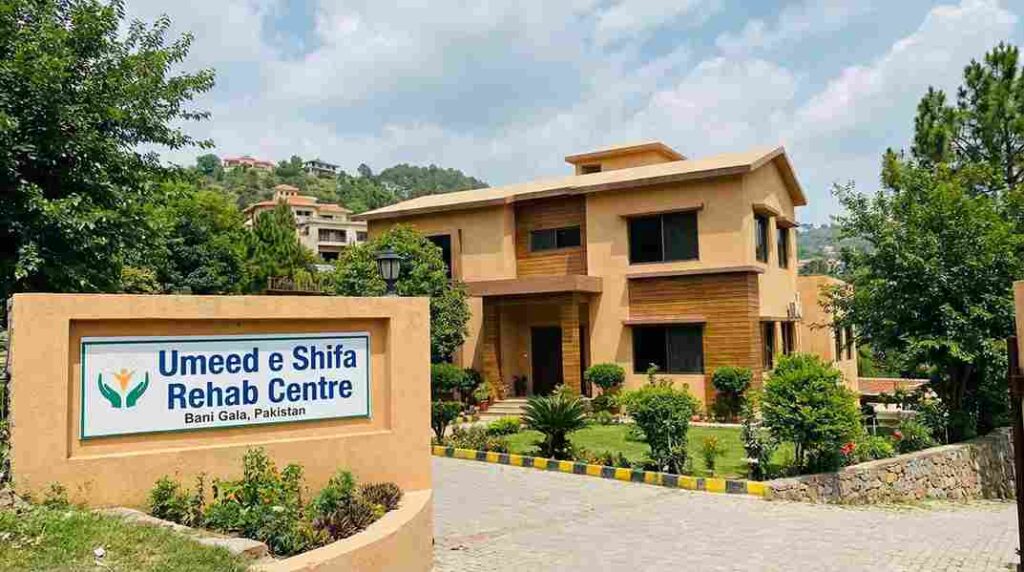
Anxiety Treatment in Islamabad: A Complete Guide for Patients and Families Seeking Real Help You’ve searched this because the anxiety has gone on long enough. Weeks of broken sleep, constant dread, a chest that won’t stop tightening. Or maybe a family member is withdrawing from everything they used to love and nobody knows what step to take next. Anxiety treatment in Islamabad is more developed now than it was even three years ago. The challenge isn’t finding a name or a phone number. It’s understanding what real treatment involves, knowing when outpatient therapy is enough versus when a residential facility is necessary, and asking the right questions before trusting anyone with something this serious. This guide covers the clinical reality of anxiety, the treatment options available in Islamabad, what Umeed e Shifa Rehabilitation Centre specifically offers, and a clear framework for making the right decision without wasting time on the wrong provider. What Anxiety Actually Is and Why It Needs Clinical Treatment Anxiety is not overthinking. It is a clinical disorder in which the brain’s threat-response system activates persistently and disproportionately, producing symptoms that interfere with daily life at a neurological level. The World Health Organization’s 2022 World Mental Health Report confirmed that anxiety disorders affect over 301 million people globally, making them the most common mental health condition worldwide. According to the WHO Pakistan Country Office’s 2023 data, over 34 percent of Pakistanis live with an untreated mental health condition, with anxiety and depression leading the list. In Islamabad’s clinical context, anxiety is still frequently misread as emotional weakness, overthinking, or a spiritual problem. That misreading causes the average Pakistani patient to wait more than four years before seeking professional help, according to a 2023 report from the Pakistan Institute of Medical Sciences. Four years of unnecessary suffering with a condition that responds well to proper treatment. Anxiety is medical. It has a neurological basis. It requires clinical intervention. Types of Anxiety Disorders Treated in Islamabad Understanding which type of anxiety is present determines the treatment approach. Generalized Anxiety Disorder (GAD) involves excessive, difficult-to-control worry about multiple areas of life occurring more days than not for at least six months. It is the most commonly presenting anxiety type in clinical settings in Islamabad. Panic Disorder involves recurrent, unexpected panic attacks accompanied by persistent fear of future attacks. Physical symptoms during attacks include racing heart, shortness of breath, chest pain, and dizziness, which are frequently mistaken for cardiac events in Pakistani emergency rooms. Social Anxiety Disorder produces intense fear of social situations involving possible judgment or embarrassment. It is significantly underdiagnosed in Pakistan because social withdrawal is often attributed to personality rather than clinical condition. Health Anxiety involves excessive preoccupation with having or developing a serious illness, leading to repeated medical consultations without clinical findings. It is increasingly common in post-pandemic Islamabad. Each type has specific evidence-based treatment protocols. A provider offering generic counseling without type-specific assessment is providing inadequate care. Recognizing Anxiety Symptoms That Require Professional Help Most people delay treatment because they’re unsure whether what they’re experiencing crosses the clinical threshold. The threshold is this: when anxiety is interfering with daily function for more than two weeks, professional evaluation is required. Physical Symptoms Physical symptoms of clinical anxiety include persistent muscle tension, chronic fatigue despite adequate sleep, disrupted sleep including difficulty falling asleep or waking repeatedly, racing heartbeat and chest tightness without cardiac cause, gastrointestinal upset, and recurrent tension headaches. These symptoms are real. They are not psychosomatic in the dismissive sense. They are the body’s sustained stress response operating at a level it was never designed to maintain indefinitely. Cognitive and Behavioral Symptoms Cognitive symptoms include uncontrollable worrying about multiple areas simultaneously, catastrophic thinking about neutral situations, difficulty concentrating on tasks that previously required no effort, and intrusive thoughts the person cannot redirect. Behavioral symptoms are the most visible to families. Avoidance of previously enjoyed situations. Withdrawal from social contact. Abandonment of work responsibilities. Increased irritability that appears disproportionate to circumstances. When a person in your household is showing multiple symptoms across these three categories simultaneously for more than two weeks, that is a clinical presentation requiring professional assessment, not watchful waiting. Evidence-Based Anxiety Treatment Options Available in Islamabad Effective anxiety treatment combines psychotherapy with psychiatric evaluation and medication where clinically indicated. The specific combination depends on the anxiety type, severity, and co-occurring conditions. Cognitive Behavioral Therapy for Anxiety Cognitive Behavioral Therapy, CBT, is the gold standard psychological treatment for anxiety disorders across all major clinical guidelines. The National Institute for Health and Care Excellence in the UK, which produces globally recognized clinical guidelines, recommends CBT as the first-line psychological treatment for GAD, Panic Disorder, and Social Anxiety Disorder. CBT for anxiety works through two integrated mechanisms. The cognitive component identifies and restructures automatic thought patterns that produce anxious responses. The behavioral component breaks avoidance patterns through structured, gradual exposure to feared situations at a pace the patient can manage. A full course of CBT for anxiety runs 12 to 20 sessions. Results are measurable within the first eight sessions when delivered by a properly trained therapist. Islamabad has qualified CBT practitioners available in both private outpatient settings and residential facilities. The critical distinction families must make: CBT is a specific, structured, evidence-based therapy. General counseling, supportive therapy, and motivational conversations are not CBT. When evaluating any anxiety treatment provider in Islamabad, ask specifically whether their therapists hold formal CBT training and certification, not just general psychological training. Psychiatric Medication for Anxiety Medication is appropriate for moderate to severe anxiety and often makes psychotherapy possible by reducing the neurological hyperactivity that otherwise prevents the patient from engaging meaningfully in therapy. SSRIs, Selective Serotonin Reuptake Inhibitors, are the standard first-line pharmacological treatment for anxiety disorders. They are non-habit-forming when used under proper psychiatric supervision and produce measurable symptom reduction within four to six weeks of therapeutic dosing. Benzodiazepines, including alprazolam and diazepam, are sometimes prescribed for acute anxiety management. The critical clinical reality is that long-term unmonitored