Mental Health Treatment

Schizophrenia Treatment in Pakistan: What Actually Works
Mental Health Treatment

Schizophrenia Treatment in Pakistan: What Actually Works

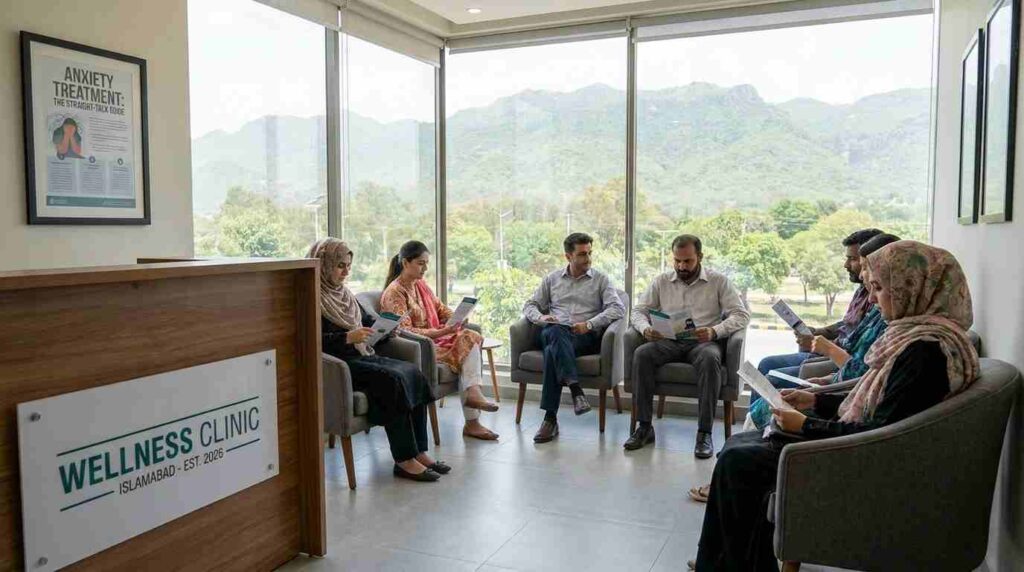
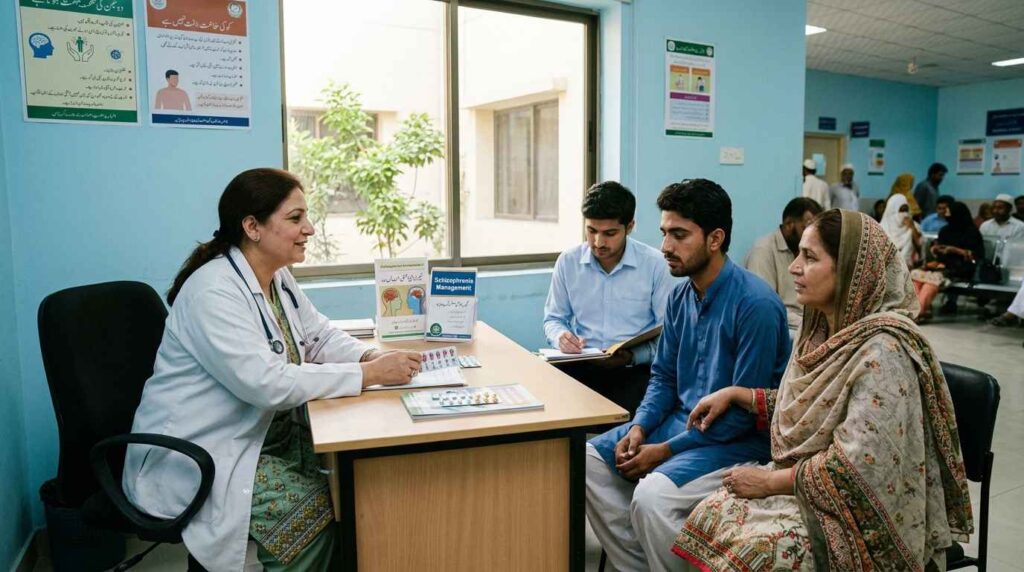
Schizophrenia Treatment in Pakistan: What Families and Patients Actually Need to Know Someone in your family is showing signs that something is seriously wrong. The behavior has changed. The thinking does not make sense anymore. You search online and the word schizophrenia keeps coming up. Now you need to know what schizophrenia treatment in Pakistan actually looks like, what it costs, where to go, and whether proper care is even available here. The honest answer is that treatment is available but the system is uneven. Some centers are genuinely good. Others are not. Knowing the difference before you make a decision could change the outcome for your loved one entirely. What Is Schizophrenia and Why Early Treatment Changes Everything Schizophrenia is a serious mental health condition that affects how a person thinks, feels, and perceives reality. It is not a personality split. That is one of the most common and most damaging misconceptions in Pakistan. The condition typically emerges in late teens or early twenties. Early signs include social withdrawal, confused speech, hearing voices, and false beliefs that feel completely real to the person experiencing them. Without treatment these symptoms worsen over time and become much harder to manage. According to the World Health Organization Mental Health Atlas 2021, Pakistan has fewer than 0.5 psychiatrists per 100,000 people. That number directly limits access for millions of families. Waiting is not a neutral choice. Every month without treatment increases the risk of a longer and harder recovery. What Does Schizophrenia Treatment Actually Involve Effective schizophrenia treatment combines medication, therapy, and family support. No single element works well without the others. H3: Antipsychotic Medication Antipsychotic medication is the foundation of treatment. These drugs reduce hallucinations, disorganized thinking, and delusional beliefs. First-generation antipsychotics like Haloperidol are widely available and affordable across Pakistan. Second-generation options like Risperidone, Olanzapine, and Clozapine tend to have a better side effect profile but cost significantly more. In expert analysis of psychiatric care patterns in low and middle income countries, medication adherence is consistently the single biggest predictor of long-term stability. Stopping medication because the patient feels better is the most common cause of relapse in Pakistani families managing schizophrenia at home. This happens repeatedly and it is almost always avoidable. Psychotherapy and Family Support Cognitive Behavioral Therapy adapted for psychosis, known as CBTp, helps patients understand and manage their symptoms. It does not cure schizophrenia but it significantly reduces the distress caused by hallucinations and false beliefs. Occupational therapy and structured daily routines also play a major role in long-term recovery. Family therapy matters just as much. In the Pakistani context, patients typically live with their families rather than independently. How the family responds to symptoms directly affects the patient’s stability. Families that receive proper psychoeducation from a trained professional see measurably better long-term outcomes than those managing it alone without guidance. Where to Get Schizophrenia Treatment in Pakistan Pakistan has a small number of genuinely capable psychiatric facilities. Most are concentrated in Lahore, Islamabad, and Karachi. The Institute of Psychiatry at Benazir Bhutto Hospital in Rawalpindi is one of the most established public psychiatric facilities near Islamabad. It handles inpatient admissions, outpatient consultations, and psychiatric emergencies. For families in the twin cities this is the most accessible public option. Pakistan Institute of Medical Sciences in Islamabad has a psychiatry department that handles outpatient care and initial assessments. Wait times can be long but costs are low. For depression treatment in Islamabad or anxiety treatment alongside schizophrenia, the same department typically manages co-occurring conditions within a single treatment plan. Fountain House in Lahore is an NGO-run rehabilitation center that provides structured day programs, vocational rehabilitation, and community support for people with serious mental illness. It operates at low or no cost for families who cannot afford private rates. This option is seriously underutilized by families who assume private care is the only real path. Umang Pakistan operates in both Lahore and Islamabad and provides mental health services alongside family support programs. Rozan Counselling Center in Islamabad offers psychotherapy and counseling for individuals and families navigating mental health challenges. Private psychiatric clinics in Islamabad, Lahore, and Karachi offer faster access and better continuity of care. The trade-off is cost, which adds up quickly without health insurance coverage. Drug Addiction and Schizophrenia: A Connection Most Articles Skip Schizophrenia and substance use often occur together. This is called a dual diagnosis and it is far more common in Pakistan than most treatment guides acknowledge. Cannabis use in particular has a well-documented relationship with psychosis. A 2019 study published in The Lancet Psychiatry found that daily cannabis use was associated with a five-times higher risk of psychosis compared to non-users. In Pakistan, where cannabis use is widespread in certain demographics, this connection is clinically relevant and routinely missed at first assessment. Drug addiction treatment in Islamabad and opioid addiction treatment in Pakistan are separate care pathways from schizophrenia treatment. But when both conditions exist in the same patient they must be treated together. Treating only one while ignoring the other almost always leads to relapse of both conditions within months. Facilities that offer integrated dual diagnosis treatment are rare in Pakistan. If your family member has both a substance use problem and symptoms of psychosis, ask specifically whether the facility has experience managing both at the same time. A facility that handles one but not the other is not the right fit for this situation. What Does Schizophrenia Treatment Cost in Pakistan Cost is a real barrier and most content on this topic avoids it. Here is an honest picture. A public sector psychiatrist consultation costs between PKR 200 and PKR 500 at most government hospitals. Private consultations typically range from PKR 2,000 to PKR 5,000 per visit depending on the city and the seniority of the clinician. Monthly medication costs vary significantly. Generic antipsychotics available through public pharmacies can cost under PKR 1,500 per month. Branded second-generation antipsychotics in the private market can run from PKR 5,000 to PKR 15,000

Rehab Center with Female Psychologist Islamabad
Mental Health Treatment

Rehab Center with Female Psychologist Islamabad | 2026 Guide

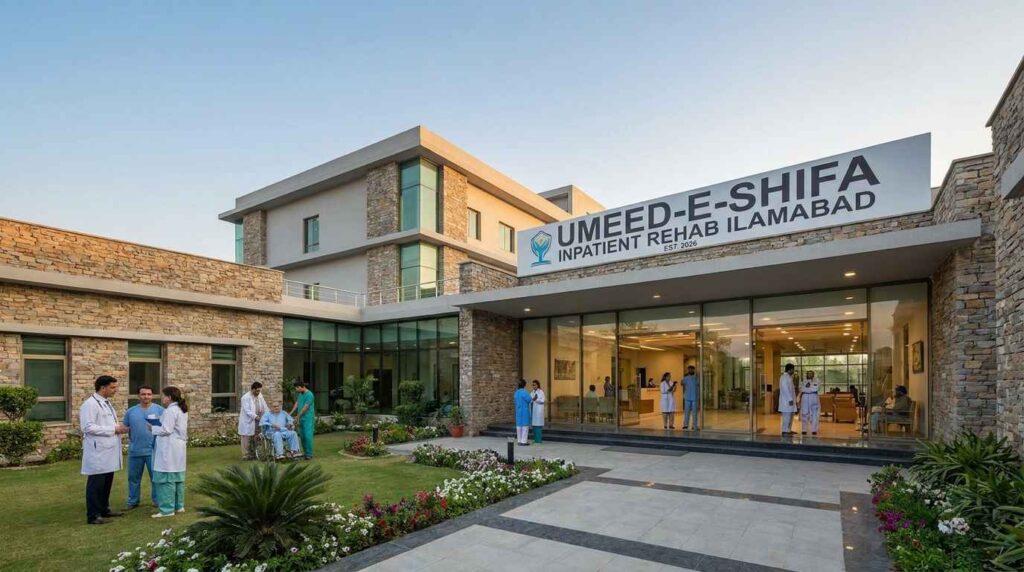
What to Know Before Choosing a Rehab Center with a Female Psychologist in Islamabad A family calls a rehabilitation center in Islamabad asking one question: is there a female psychologist available? The staff says yes. The patient arrives. The female staff member turns out to be a nurse, not a licensed psychologist. This happens more often than facilities will admit. For women seeking mental health treatment in Pakistan, this distinction is not a preference. It is a clinical requirement. This guide covers what a proper rehab center with female psychological support actually looks like, what to verify before admitting a patient, and which areas of Islamabad currently offer legitimate options. Why a Female Psychologist Matters in Pakistani Rehab Settings In Pakistani culture, a woman discussing trauma, substance use, or mental illness with a male clinician is not just uncomfortable. For many patients, it is a barrier that stops treatment from working at all. Research published in the Journal of Substance Abuse Treatment (2022) found that gender-concordant therapy significantly improved treatment retention among women in South Asian clinical contexts. Retention is the metric that matters most in rehab. A patient who leaves early does not recover. The Clinical Gap That Exists Right Now Most drug rehabilitation centers in Islamabad were designed around male patient populations. Female wards were added later, often without dedicated female clinical staff. What this means in practice: a facility might have female dormitories, female nurses, and female support workers, but the licensed psychologist conducting one-on-one sessions is still male. That is not a female psychological care facility. That is a facility with female accommodation. In reviewing how similar centers operate across South Asia, a consistent pattern appears. The facilities that actually deliver gender-appropriate psychological care tend to be smaller, privately operated, and more expensive. Budget centers cut corners on licensed female clinicians first because these staff are harder to recruit and retain. What Licensing Actually Means in Pakistan A psychologist in Pakistan should be registered with the Pakistan Psychological Association (PPA) or hold a recognized clinical degree. An M.Phil. or Ph.D. in clinical psychology is the standard. Many facilities in Islamabad employ counselors with BSc degrees in psychology. These are not the same thing. A counselor can provide structured support. A clinical psychologist can diagnose, design treatment plans, and manage complex co-occurring disorders such as depression alongside addiction. Ask the facility for the qualification and registration number of the female clinician. If they cannot provide it, that is your answer. What Legitimate Rehab Centers with Female Psychologists Offer A properly equipped rehab center in Islamabad that genuinely serves female patients will provide all of the following. This is not a wish list. It is the operational baseline. Centers that check only three or four of these boxes are partial solutions. For patients with trauma histories, incomplete solutions often cause harm. Rehab Center Bani Gala and the Areas Worth Investigating Bani Gala and its surrounding zones on the outskirts of Islamabad have become a cluster location for private residential rehab facilities. The geography is deliberate. Distance from the city provides privacy. The physical separation also reduces triggers for patients in early recovery. Several private rehabilitation centers operating in and near Bani Gala have invested in female clinical staff specifically because demand from female patients has grown since 2022. According to the Drug Regulatory Authority of Pakistan (DRAP), the number of registered treatment facilities nationwide increased by over 30 percent between 2020 and 2024, with a growing proportion serving female patients. Before visiting any facility in this area, call and ask these four questions: Any hesitation or vague response to these questions is a red flag worth taking seriously. Comparing Facility Types Available in Islamabad Not every family is looking for the same thing. Cost, location, duration, and clinical intensity all vary. Below is a realistic comparison of the facility types currently available for women seeking rehab in Islamabad. Facility Type Typical Duration Female Psychologist Estimated Cost (PKR/month) Best For Government-run rehab 30-90 days Rarely available 5,000-20,000 Patients with no financial resources Mid-tier private center 30-60 days Sometimes available 80,000-150,000 Families with moderate budgets Premium private facility 45-90 days Usually available 200,000-400,000 Patients needing full clinical team Outpatient clinic with psychologist Ongoing More consistently available 3,000-8,000/session Patients post-residential treatment Verify all current pricing directly with the facility before committing. Costs shift based on room type, medication included, and clinical intensity. What the Best Drug Rehabilitation Centers in Islamabad Do Differently The facilities that consistently produce better outcomes share a few operational patterns that are easy to overlook when you are in a crisis moment and simply trying to find a bed. First, the best centers conduct a proper intake assessment before admission, not after. They want to know the patient’s history before placing her. Centers that skip this step are running occupancy-first operations. Second, they have a discharge plan ready before the patient leaves. Recovery does not end at the facility gate. Without structured aftercare, relapse rates within 12 months in Pakistan are estimated to be above 60 percent by addiction medicine practitioners working in the country. Third, they are honest about what they cannot treat. A good rehab center will refer a patient to a psychiatric hospital if she presents with severe psychosis or suicidal crisis. A bad one will keep her in the facility and bill accordingly. If a center promises guaranteed recovery, leave. Mental Health Treatment in Pakistan for Women: The Honest Picture in 2026 Pakistan’s Mental Health Ordinance of 2001 remains the primary legal framework governing mental health care. A long-awaited updated mental health law has been discussed at the federal level but has not yet passed as of mid-2026. This matters because it means regulatory enforcement of quality standards in private rehab centers remains inconsistent. The gap between what a facility advertises and what it delivers is still wide in many cases. Female patients bear a disproportionate share of that gap. Cultural stigma means fewer women seek treatment, which means fewer facilities have

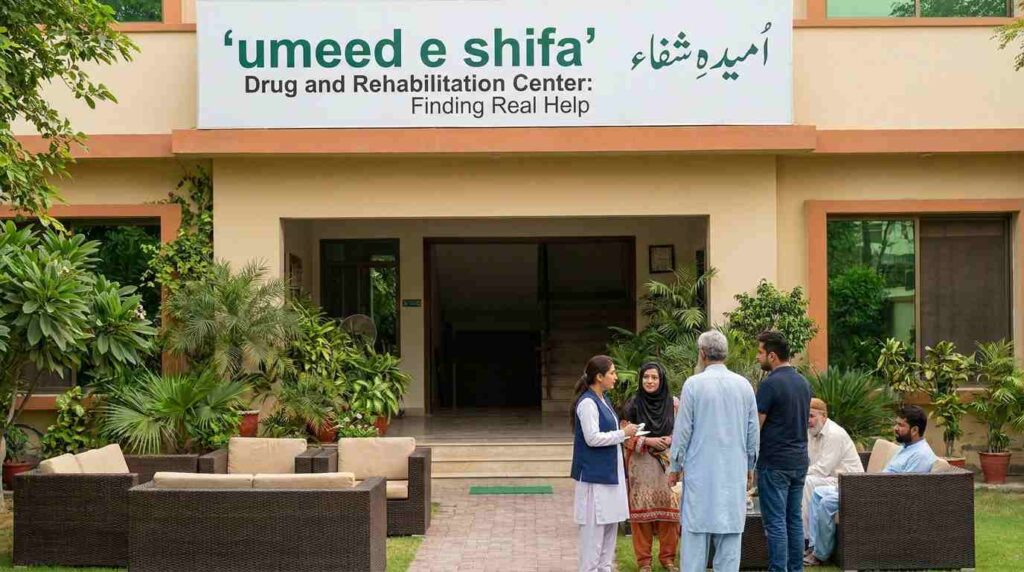
Drug and Rehabilitation Center: Finding Real Help
Mental Health Treatment

Drug and Rehabilitation Center: Finding Real Help in 2026

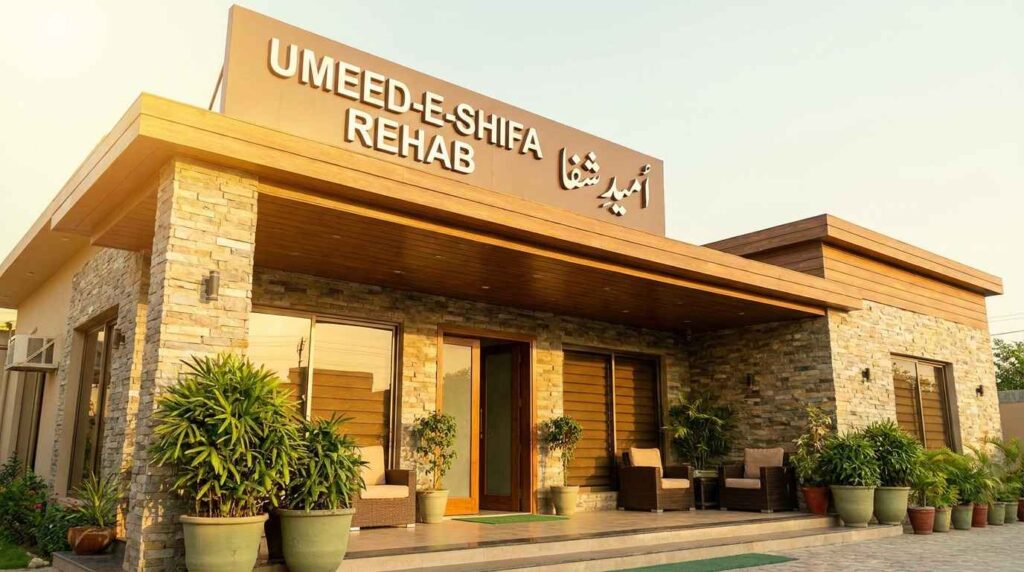
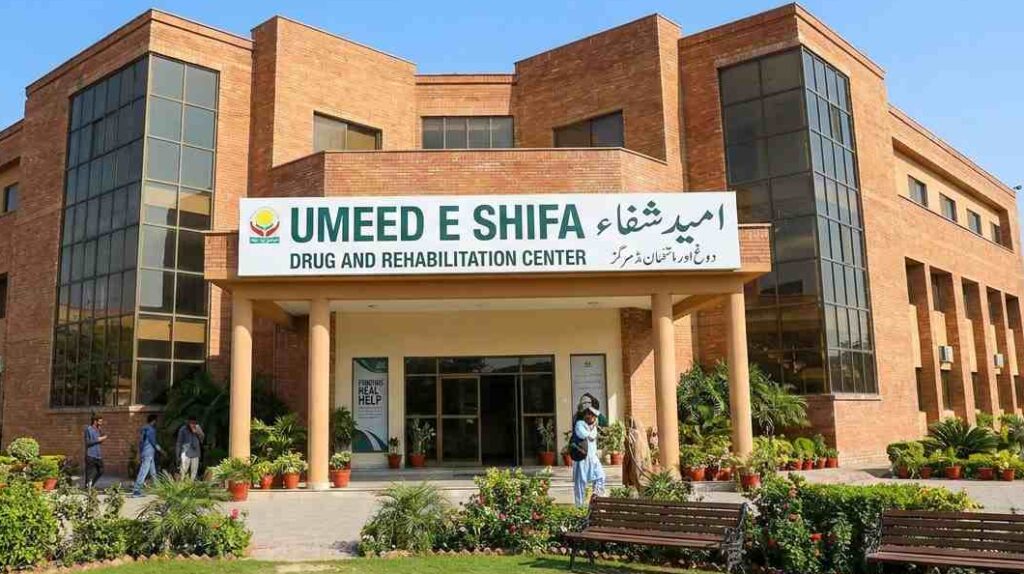
Drug and Rehabilitation Center: What Families and Patients in Pakistan Need to Know Before Choosing One Someone in your family needs help. Or maybe you’re reading this for yourself. Either way, you’re not browsing — you’re looking for a real answer, fast, because the situation is serious and the decisions ahead are consequential. Searching for a drug and rehabilitation center in Pakistan, specifically in Islamabad and the surrounding areas, returns a mix of names, phone numbers, and vague promises. Very little of it tells you what treatment actually involves, what separates a credible center from an inadequate one, or why so many people complete a program and relapse within months. This guide covers all of that — with specific focus on what Umeed e Shifa Rehabilitation Centre provides and how families can make an informed, confident decision rather than a desperate one. What a Drug and Rehabilitation Center Actually Does A drug and rehabilitation center is a clinical facility that provides structured treatment for substance use disorders and co-occurring mental health conditions. Treatment addresses physical dependency through medically supervised detoxification, then addresses the psychological, behavioral, and social factors that drive continued substance use. That second part is where most failed treatment attempts break down. Detox clears the body. It doesn’t address why the person started using, what triggers continued use, or what support structures need to exist for recovery to hold. The World Health Organization classifies substance use disorder as a chronic condition with a relapse rate of 40 to 60 percent — comparable to diabetes or hypertension. That statistic isn’t discouraging. It’s the clinical reason why treatment duration, therapeutic depth, and aftercare planning matter as much as the initial detox. A rehabilitation center that provides only detox and sends patients home is providing incomplete care. Any family evaluating options in Islamabad needs to understand this distinction before making a call. Umeed e Shifa Rehabilitation Centre: What It Offers and Who It Serves Umeed e Shifa Rehabilitation Centre is a private residential treatment facility located in Bani Gala, Islamabad — one of the few centers in the federal capital region offering integrated addiction treatment and mental health rehabilitation under a single clinical framework. The center’s name translates to “Hope of Healing,” and the program reflects that intent through a structured combination of medical detoxification, psychiatric evaluation, individual and group therapy, family counseling, and aftercare planning. What distinguishes Umeed e Shifa from basic detox-only facilities is the dual diagnosis capability — the clinical capacity to identify and treat co-occurring conditions like depression, anxiety, PTSD, and schizophrenia alongside the presenting addiction. This matters clinically because co-occurring disorders are not the exception in addiction cases — they’re the norm. According to the Substance Abuse and Mental Health Services Administration (SAMHSA) 2023 National Survey, more than 50 percent of individuals with a substance use disorder also meet criteria for a co-occurring mental health condition. Centers without psychiatric assessment and treatment capacity are treating half the problem. The Conditions Treated at a Credible Rehab Center in Islamabad Understanding the full range of conditions a quality rehabilitation center addresses helps families recognize whether a facility matches their specific situation. Substance Use and Addiction Treatment Drug addiction treatment in Islamabad at Umeed e Shifa covers opioid addiction — including heroin, prescription painkillers, and tramadol dependency — alongside alcohol addiction treatment, cannabis dependency, stimulant use disorders, and polysubstance cases where multiple substances are involved simultaneously. Opioid addiction treatment in Pakistan requires particular clinical attention because withdrawal from opioids carries specific medical risks that require monitored detoxification protocols rather than cold-turkey approaches managed at home. Alcohol addiction treatment presents its own clinical complexity. Alcohol withdrawal syndrome can cause seizures and life-threatening complications in patients with significant physical dependency. Attempting alcohol detox without medical supervision is genuinely dangerous. Any rehabilitation center handling alcohol cases must have physician oversight during the detox phase — this is a non-negotiable clinical standard, not a premium service. Mental Health Treatment Alongside Addiction Depression treatment, anxiety treatment, PTSD treatment, and schizophrenia treatment are increasingly part of the core service offering at credible rehabilitation centers rather than separate referrals. At Umeed e Shifa, psychiatric evaluation during intake identifies co-occurring conditions and integrates mental health treatment into the rehabilitation program rather than treating it as secondary. For families in Islamabad whose loved one has been struggling with both addiction and what appears to be depression or erratic behavior, this integrated approach addresses the complete clinical picture. Treating only the substance use and discharging the patient back to an untreated depressive episode is a reliable path to relapse. What to Ask Before Enrolling Anyone in a Rehabilitation Center This is the checklist most families never receive before making what is often a rushed decision during a crisis moment. Save this checklist before you make your first call. The quality of answers to these questions tells you more about a center’s clinical seriousness than any website content or promotional material. Why Location Matters: Bani Gala as a Recovery Environment Umeed e Shifa Rehabilitation Centre’s location in Bani Gala, on the quieter outskirts of Islamabad near Rawal Lake, is a deliberate clinical choice rather than an arbitrary address. Recovery from substance use disorder is significantly influenced by environmental factors, particularly in early treatment when neurological vulnerability to relapse triggers is highest. Urban environments — with their existing social networks, drug availability, and familiar stress triggers — actively compete against early recovery. A residential facility located away from a patient’s familiar urban environment removes a meaningful category of relapse risk during the period when clinical support is most available and the patient is most protected. Research published in the Journal of Substance Abuse Treatment consistently shows that residential treatment duration and environmental separation from drug-use environments are among the strongest predictors of sustained recovery. Bani Gala offers the separation without the geographic inaccessibility. Families in Islamabad, Rawalpindi, and surrounding areas can visit regularly, participate in family therapy sessions, and remain part of the treatment process without the patient being unreachably

Mental Health Treatment Pakistan: The Honest 2026 Guide
Mental Health Treatment

Mental Health Treatment Pakistan: The Honest 2026 Guide

Why mental health treatment in Pakistan looks different than what families expect Most families searching for mental health treatment in Pakistan are not researchers. They’re a mother who hasn’t slept in three nights, a brother watching addiction take over, or a young professional who finally admitted something is wrong. The system they’re about to enter is fragmented — and nobody hands them a map. Pakistan has an estimated 24 million people living with a mental health condition (Pakistan Association for Mental Health, 2023 estimate). Yet the country has fewer than 500 trained psychiatrists across both public and private sectors. That mismatch shapes everything: wait times, quality, cost, and what “treatment” actually means once you walk through the door. This guide is written for families in Islamabad, Rawalpindi, and across Pakistan who need clear answers — not brochures. What does mental health treatment in Pakistan actually include? Mental health treatment in Pakistan is the structured care of psychiatric, psychological, and behavioral conditions through a combination of medication, talk therapy, rehabilitation, and family support. Real treatment is rarely just a prescription. A credible program includes: If a center skips three or more of these, you’re looking at a holding facility, not a treatment program. Public vs. private mental health care in Pakistan: the honest comparison The decision most families face isn’t which hospital — it’s which type of system. The trade-offs are real. Factor Public Hospitals (PIMH, IoP Rawalpindi) Licensed Private Centers (Islamabad) Cost Free or nominal (PKR 50–500 OPD) PKR 150,000–600,000/month inpatient Wait time for admission Days to weeks Usually same-day to 48 hours Bed availability Often over-capacity Limited but managed Family involvement Minimal Structured family sessions Privacy Shared wards Private or semi-private rooms Aftercare Variable Written plan standard Best for Acute stabilization, low-income families Mid-to-long-term recovery, dignity, dual diagnosis Public hospitals save lives every day. They also work at scale that no private center can match. But for a family that wants therapy in addition to medication, structured family work, and a real discharge plan, a licensed private rehab is usually the better fit — if the budget allows. How much does mental health treatment cost in Pakistan? Costs vary widely. Here’s what families in Islamabad and Rawalpindi typically pay in 2026: Service Typical Cost Range (PKR) Psychiatrist consultation (private) 3,000 – 8,000 per session Clinical psychologist session 2,500 – 6,000 per session Inpatient psychiatric care (private, monthly) 150,000 – 600,000 Inpatient rehab (addiction + psychiatric, monthly) 200,000 – 700,000 Public hospital OPD 50 – 500 Public hospital inpatient Free to nominal Pricing changes. Verify current rates on the official website of any center before committing. The Sehat Sahulat Program now covers some psychiatric admissions in empaneled hospitals — a meaningful 2024–2025 expansion — but most private rehab remains self-pay. Choosing a rehabilitation center in Islamabad: what to actually check Bani Gala and surrounding areas of Islamabad have become a hub for licensed private rehabilitation, partly because of the quieter setting and proximity to specialists. If you’re evaluating a center, ask these questions before you sign anything: A short note worth bookmarking: walk the facility yourself. Photos lie. Smell, lighting, staff body language, and how patients are spoken to in the hallway tell you more than any brochure. When forced admission is legal in Pakistan — and when it isn’t Involuntary admission is allowed under provincial mental health legislation (Sindh Mental Health Act 2013, Punjab Mental Health Act 2014, and ICT-applicable ordinance) when a person poses a clear risk to themselves or others, or cannot make treatment decisions due to severe illness. Two qualified psychiatrists must typically certify the admission, and the patient has the right to review. This matters. Families sometimes admit a loved one in panic without the legal paperwork, then face complications later. A reputable center will walk you through this process formally — not informally. Pros and cons of inpatient rehabilitation in Pakistan Pros: Cons: The honest read: inpatient works best for moderate-to-severe cases, addiction with relapse history, or when the home environment itself is part of the illness. For mild-to-moderate depression and anxiety, outpatient therapy plus medication is usually equally effective and far cheaper. Aftercare: the part most Pakistani centers skip Six months after discharge is when relapse risk is highest. A solid aftercare program includes weekly outpatient sessions for the first month, a step-down to fortnightly, family check-ins, medication reviews every 4–6 weeks, and a written crisis plan with phone numbers. If the center you’re considering can’t show you a sample aftercare plan in writing, treat that as a serious red flag. This is the single biggest gap in Pakistani mental healthcare — and the one differentiator that separates a recovery program from a holding facility. Stigma, privacy, and protecting the family Pakistani families carry a real social cost when seeking psychiatric care. Confidentiality should be contractual, not a verbal promise. Ask the center directly: who has access to records, what is shared with referring doctors, and what their data policy is. Licensed centers in Islamabad operate under PHC and IHRA confidentiality standards — but enforcement depends on the center’s own culture. A practical tip families rarely think about: admit under the patient’s CNIC name only, not extended family identifiers, and keep visitor logs limited to immediate family. Final word Mental health treatment in Pakistan in 2026 is more accessible than it was five years ago — but the gap between a good center and a bad one is wider than ever. The families who get the best outcomes are the ones who ask hard questions, visit before admitting, and choose a program that treats the person, not just the symptoms. If someone you love is struggling, the next step isn’t to read another article. Walk into a licensed center this week, sit with the clinical team, and trust what you see with your own eyes. FAQ Section 1. Is mental health treatment free in Pakistan? Public hospitals like PIMH Lahore and the Institute of Psychiatry Rawalpindi offer free or nominal-cost treatment, including

Scroll to Top