
There is a specific kind of exhaustion that comes with loving someone who is addicted to heroin. Families often find themselves exhausted after trying countless ways to help a loved one overcome addiction. From heartfelt discussions to moments of frustration and quiet hope, the challenges can feel overwhelming when lasting change does not come. None of it worked. So now you are here, searching for a rehab center in Islamabad at whatever hour it happens to be, trying to figure out what to do before the situation gets any worse.
This guide is written for you. Not for someone doing academic research. Not for someone mildly curious. For families in Pakistan who are past the point of denial and need real, clear information about heroin addiction treatment, what it actually involves, and how Umeed-e-Shifa Rehabilitation Center in Bani Gala, Islamabad can help.
We will not waste your time with vague encouragement or generic advice you have already read ten times. Let us get straight into it.
“Is It Really Heroin?” Signs Pakistani Families Often Miss for Years
Most families do not connect the dots right away. A son who has become withdrawn gets written off as stressed from work or university. A husband who keeps disappearing for hours is assumed to be dealing with personal issues. The weight loss gets blamed on poor eating. The mood swings get blamed on everything except the real cause.
By the time a Pakistani family walks into a rehab center like Umeed-e-Shifa, months and sometimes years have already passed. The addiction is deep by then. And almost every family says the same thing: “We noticed something was wrong much earlier, but we did not want to believe it.”
So here are the signs. Not the vague ones you find on generic websites. The specific ones:
- His pupils are tiny, almost a pinpoint, even when the room is dark
- He nods off in the middle of a conversation, mid-sentence, mid-meal
- There are small wounds, bruises, or marks on his arms he always covers up
- Money disappears from the house without explanation
- He is perfectly calm one moment and unreachable the next
- When he cannot get the drug, he gets sick: sweating, aching, vomiting, unable to sleep
- He has pulled away from everyone. Old friends, the family, prayers, any routine
- His appearance has changed. The weight loss, the hollow look, the hygiene
If most of that list sounds familiar, you are not looking at a stress problem or a personality change. You are looking at opioid dependence. And it does not get better without proper treatment.
Call Umeed-e-Shifa on WhatsApp or phone right now: +92 3104000444
Why Heroin Is So Difficult to Quit (This Is Not About Willpower)
A lot of Pakistani families, once they realize what is happening, respond with ultimatums. “Stop or I will do this.” “You have to choose.” “Just stop.” It comes from love. It also does not work, and understanding why matters.
Heroin attaches to specific receptors in the brain and floods the system with a level of artificial reward that nothing natural can match. The brain, which is highly adaptive, responds by shutting down its own natural production of feel-good chemicals. It recalibrates entirely around the drug.
After that point, the person is not choosing heroin over family. They are choosing heroin over physical agony. Within hours of the last dose, withdrawal starts: bone pain, muscle cramps, severe anxiety, insomnia, uncontrollable nausea, and cravings that feel physically unbearable. Most people who try to quit at home make it two or three days before the pain becomes unmanageable. The drug is right there. The withdrawal ends instantly.
This is why “just stopping” fails almost every time without medical support. It is physiology, not character.
Proper medical detox manages this withdrawal safely, reduces the physical suffering significantly, and gets the person to a point where actual recovery work can begin.
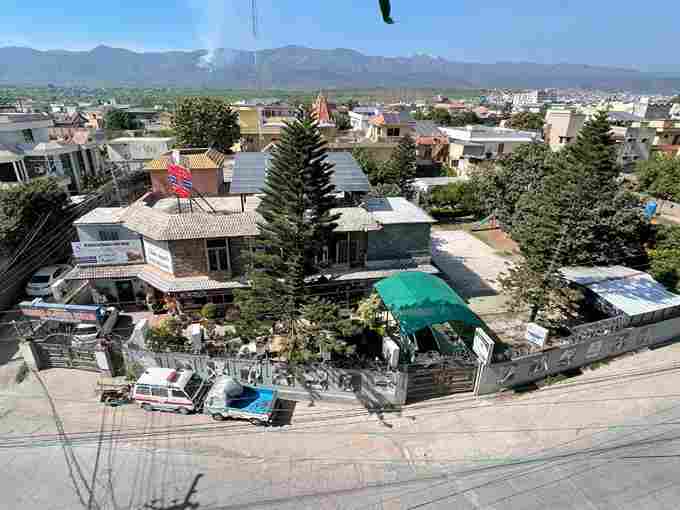
What Proper Heroin Treatment Looks Like at Umeed-e-Shifa
A lot of places in Pakistan that call themselves rehab centers are essentially doing one thing: waiting for the drugs to leave the body. That is detox. It is necessary, but it is the beginning, not the treatment.
What separates a genuine recovery program from a short-term detox stay is everything that happens after the physical withdrawal ends. Here is how Umeed-e-Shifa structures treatment.
First: A Real Medical and Psychological Assessment
When someone arrives at Umeed-e-Shifa, the first thing the clinical team does is assess them properly. Not a brief intake form. A thorough evaluation that looks at the severity and duration of the addiction, the person’s physical health, their mental health history, any previous attempts at quitting, and any underlying psychological issues.
This matters because two people with the same number of years of heroin use can need completely different treatment approaches. One might have significant trauma driving the addiction. Another might have an undiagnosed depressive disorder. Without understanding what is actually going on, treatment is guesswork.
Dr. Anwar Ul Haq, Umeed-e-Shifa’s consultant psychiatrist who trained in the UK and holds MRCPsych qualification alongside his MBBS, leads this evaluation. That level of psychiatric expertise is not something most rehab facilities in Islamabad offer.
Second: Medically Supervised Detox, Done Properly
Detox at Umeed-e-Shifa is not a locked room with staff checking in occasionally. Doctors and medical officers monitor the patient continuously. Medications are used to manage withdrawal symptoms and reduce suffering. Vital signs are tracked. Psychological support is available throughout because withdrawal is as much a mental experience as a physical one.
The acute withdrawal phase for heroin typically runs 7 to 14 days depending on the severity of dependence. The 30-day detox program at Umeed-e-Shifa covers this phase plus a period of early stabilization and initial psychological assessment.
For families considering the 30-day program: it is appropriate for early-stage cases or as a starting point. For someone with a long history of use or prior relapses, it is the entry point into a longer program, not the complete treatment.
Third: Treating What Was Underneath the Addiction
This is the part most facilities skip, and it is the part that determines whether someone stays sober after discharge.
A very significant number of people using heroin in Pakistan started using it to manage psychological pain that had never been properly addressed. Depression. Anxiety that never got diagnosed. Trauma from things that happened years ago. Grief that had nowhere to go. The heroin was not the problem. It was the solution to a problem that was already there.
If you treat the addiction without treating what was driving it, the person gets clean and then the underlying pain floods back. Within weeks or months, the cycle starts again.
Umeed-e-Shifa’s team for this stage includes Dr. Fatima Fayyaz as consultant psychologist, Dr. Sadia Sikandar as senior clinical psychologist, and Ms. Kinza Noor as clinical psychologist. Their work with patients covers individual counseling, cognitive behavioral approaches for identifying and changing thought patterns that fuel addiction, group therapy, and trauma-informed work for patients who have experienced significant distress in their past.
Dr. Muhammad Ilyas, who holds MBBS and MCPS in neuropsychiatry, is also part of the team for cases involving more complex psychiatric needs.
Fourth: Building a Life Worth Staying Sober For
The final stage of treatment at Umeed-e-Shifa focuses on relapse prevention and reintegration. Structured daily routines. Physical activity including gym and sports. Sessions on managing triggers, handling high-risk situations, and building healthy coping patterns.
The 90-day program covers this complete arc: detox, psychological treatment, dual diagnosis management, relapse prevention, and preparation for life after discharge. For anyone dealing with a serious heroin dependency, especially someone who has relapsed before, 90 days is the realistic minimum for meaningful recovery, not 30.
The Question Nobody Wants to Ask: How Much Does Rehab Cost in Pakistan?
Families ask about cost. It is a reasonable question, and avoiding it does not help anyone.
Rehab program fees in Islamabad vary significantly depending on the facility, the program duration, whether it is inpatient or outpatient, and the level of clinical staff involved. Budget facilities offering basic detox and minimal psychological support exist at lower price points. Clinically equipped centers with qualified psychiatric staff, dual diagnosis treatment, and structured programs cost more.
What the cost comparison almost never accounts for is what repeated, failed treatment costs. A family that goes through a cheap 15-day detox, sees their family member relapse in six weeks, and then spends the next two years cycling through the same pattern pays far more in total, financially and emotionally, than a family that invested in a proper 90-day program the first time.
For current program pricing at Umeed-e-Shifa, contact the team directly. Prices may change and should always be confirmed with the facility before making a decision.
Call or WhatsApp: +92 3104000444 Email: info@umeedeshifa.com
Why Bani Gala Is Actually a Better Location for Recovery
This is not a marketing point. It is a clinical one.
In addiction medicine, there is a well-documented phenomenon where familiar environments, specific streets, smells, faces, even sounds, trigger intense cravings in someone who is trying to stay sober. If someone spent years using heroin in a specific neighborhood in Islamabad, being within a few kilometers of that neighborhood during early recovery creates a constant low-level pressure that makes staying clean significantly harder.
Bani Gala sits away from the dense urban core of Islamabad. It is quieter, greener, and physically removed from the environments where most patients developed their addiction. The Umeed-e-Shifa facility on Durrani Street, Main Jinnah Road offers a contained residential environment that removes that constant background pressure during the most fragile weeks of recovery.
It is close enough to Islamabad and Rawalpindi that families can visit regularly. Far enough that the street-level triggers are gone.
What Families Need to Understand About Their Own Role
This section is uncomfortable. Read it anyway.
Families in Pakistan carry enormous amounts of shame around addiction. They hide it, manage it quietly. They cover for the person and they absorb the financial damage. And they often, completely unintentionally, make recovery harder.
Covering for someone with active addiction removes the natural consequences that often motivate people to seek treatment. Expressing shame, blame, or anger during early recovery triggers exactly the emotional states that are most likely to cause relapse. Having no plan for what happens after discharge means a person goes back into the same environment that fed the addiction in the first place.
Umeed-e-Shifa includes structured family counseling and education sessions as part of the treatment program. Not as optional extras. As a formal clinical component. Families learn what recovery realistically looks like, how to communicate without triggering shame responses, what boundaries to maintain, and what to do if warning signs reappear after discharge.
The families who go through this process alongside their family member’s treatment consistently produce better long-term outcomes than those who drop the person off and wait for a call.
If your family is not sure whether you are ready for this conversation, call the team first. They will help you understand what to expect before anyone makes a commitment.
+92 3104000444
Umeed-e-Shifa Rehabilitation Center: What the Facility Actually Offers
| Location | House No 1, Durrani Street, Main Jinnah Road, Bani Gala, Islamabad |
| Open | 24 hours, every day of the week |
| Treatment Formats | Inpatient (residential) and outpatient |
| Consultant Psychiatrist | Dr. Anwar Ul Haq, MBBS, MRCPsych (UK) |
| Neuropsychiatric Support | Dr. Muhammad Ilyas, MBBS, MCPS |
| Medical Officer | Dr. Mussarat Afzal, MBBS |
| Consultant Psychologist | Dr. Fatima Fayyaz |
| Senior Clinical Psychologist | Dr. Sadia Sikandar |
| Clinical Psychologist | Ms. Kinza Noor |
| Regulatory Status | Registered under IHRA guidelines, SECP compliant |
| Programs Available | 30-Day Detox, 90-Day Comprehensive, Individualized Plan |
| Family Involvement | Formal counseling and education sessions |
| Dual Diagnosis | Yes, treated as part of standard care |
| Contact | +92 3104000444 (calls and WhatsApp) |
| info@umeedeshifa.com | |
| Website | umeedeshifa.com |
The center is led by CEO Sidra Shehzad. The stated operating model is based on IHRA regulatory standards, patient dignity, strict confidentiality, and evidence-based care. Patient information is never shared without consent.
Program Comparison: 30 Days vs 90 Days vs Individualized
| Program | Duration | What It Includes | Who It Suits |
|---|---|---|---|
| 30-Day Detox | 30 days | Medical detox, stabilization, initial psychological assessment | First-time treatment seekers, early-stage cases |
| 90-Day Comprehensive | 90 days | Full detox, dual diagnosis, therapy, effect management, relapse prevention | Moderate to severe dependence, anyone who has relapsed before |
| Individualized Plan | Flexible | Fully custom based on clinical assessment | Long-term users, complex cases, multiple relapses |
One honest note: if someone has been using heroin for more than a year, or has already tried and relapsed from a short program, the 90-day option is not a luxury upgrade. It is the appropriate clinical response to the level of dependence involved. The 30-day program will help. It will not, on its own, be enough for a serious long-term case.
Eight Questions to Ask Before You Commit to Any Rehab in Islamabad
Not every facility that uses the word “rehab” offers the same standard of care. Before you enroll anyone in a program, ask these questions directly:
- Is detox supervised by a licensed doctor who is on-site, not just reachable by phone?
- Do you screen for and treat co-occurring mental health conditions like depression or PTSD?
- Is a psychiatrist part of the regular treatment team?
- Do you involve families in the treatment process formally?
- What does your relapse prevention program actually look like?
- Are you registered with IHRA or another regulatory body in Pakistan?
- What happens after discharge? What is the aftercare plan?
- What is your clinical definition of successful treatment?
Umeed-e-Shifa answers yes to all eight. Many facilities in Islamabad cannot answer more than three or four clearly. The gap in those answers tells you exactly what you will get.
One Thing Most Rehab Articles in Pakistan Never Mention: The Aftercare Problem
Treatment inside a facility is the easier part. The harder part starts the day someone walks out.
The first 60 to 90 days after leaving residential treatment are statistically the period of highest relapse risk. The person is no longer in a controlled environment. They are back near familiar streets, familiar people, familiar feelings. Everything the rehab removed them from is right there again.
A proper discharge plan addresses this directly: scheduled follow-up sessions, ongoing individual or group counseling, a clear family communication plan, and specific protocols for what to do if warning signs reappear. Ask about this plan before enrolling.
If you want to know exactly how Umeed-e-Shifa handles post-discharge support for heroin recovery, that conversation should happen during the initial consultation. Call the team and ask specifically about what happens after a patient completes the program.
2026: What Has Changed in Islamabad’s Rehab Landscape
Two noticeable shifts have happened in the past 12 to 18 months.
Families are more informed now. People who come to rehab consultations in 2026 are asking about dual diagnosis, asking about psychological therapy, asking specifically whether detox is medically supervised. Even two years ago, most families came in asking only how quickly they could “get him clean.” The conversation has shifted. Families have done more research, often because a first attempt at treatment failed and they are determined to do it better this time.
At the same time, IHRA’s push toward stricter registration and documented protocols has started filtering out informal facilities that were operating without proper clinical oversight. Families cross-checking IHRA registration before enrolling is increasingly common in Islamabad. It is the right instinct. Umeed-e-Shifa operates in compliance with IHRA guidelines and maintains SECP registration, which provides a layer of accountability that unregistered facilities cannot offer.
The Last Thing to Read Before You Make the Call
Heroin addiction gets heavier, not lighter, with time. The physical damage accumulates. The psychological damage deepens. The family exhaustion compounds. And the window for treatment, while it never fully closes, gets harder to walk through the longer it stays open.
You do not need to have everything figured out before you call Umeed-e-Shifa. You do not need to know which program is right, or have the family all on the same page, or have the person fully willing. The first call is just information. It costs nothing and commits you to nothing.
What it does is start the process. And starting the process is the only thing that leads to recovery.
Call or WhatsApp Umeed-e-Shifa: +92 3104000444 Email: info@umeedeshifa.com Address: House No 1, Durrani Street, Main Jinnah Road, Bani Gala, Islamabad Website: umeedeshifa.com
Every family that has gone through this says the same thing afterward: they wish they had called sooner.
People Also Ask: Heroin Addiction Treatment in Islamabad
Where can I find heroin addiction treatment in Islamabad? Umeed-e-Shifa Rehabilitation Center is located in Bani Gala, Islamabad and offers 24-hour medically supervised heroin treatment including detox, psychiatric care, psychological therapy, and family support. You can reach them at +92 3104000444 or through umeedeshifa.com.
How long does heroin treatment take? The acute withdrawal phase runs about 7 to 14 days. A 30-day stay covers initial detox and stabilization. For anyone with a significant dependence history or prior relapses, a 90-day program is the clinically appropriate minimum, covering detox plus full psychological rehabilitation and relapse prevention work.
What are the early signs of heroin addiction? Pinpoint pupils in normal or low light, nodding off mid-activity, unexplained marks or wounds on the arms, money disappearing, severe flu-like symptoms when the substance is unavailable, extreme mood changes, and complete withdrawal from family and social life are among the most telling signs.
Is heroin withdrawal dangerous without a doctor? Unsupervised withdrawal from heroin carries real medical risks including severe dehydration, cardiovascular stress, and intense psychological distress. Beyond the physical risks, the suffering involved in unmanaged withdrawal is the primary reason almost all self-attempts at quitting fail within a few days.
Is treatment at Umeed-e-Shifa confidential? Yes. The center operates under strict confidentiality protocols in line with IHRA guidelines. No patient information is shared with anyone outside the clinical team without the patient’s direct consent. Privacy is treated as a clinical and ethical standard, not just a policy.