

Depression Treatment Center in Pakistan: Real Help 2026
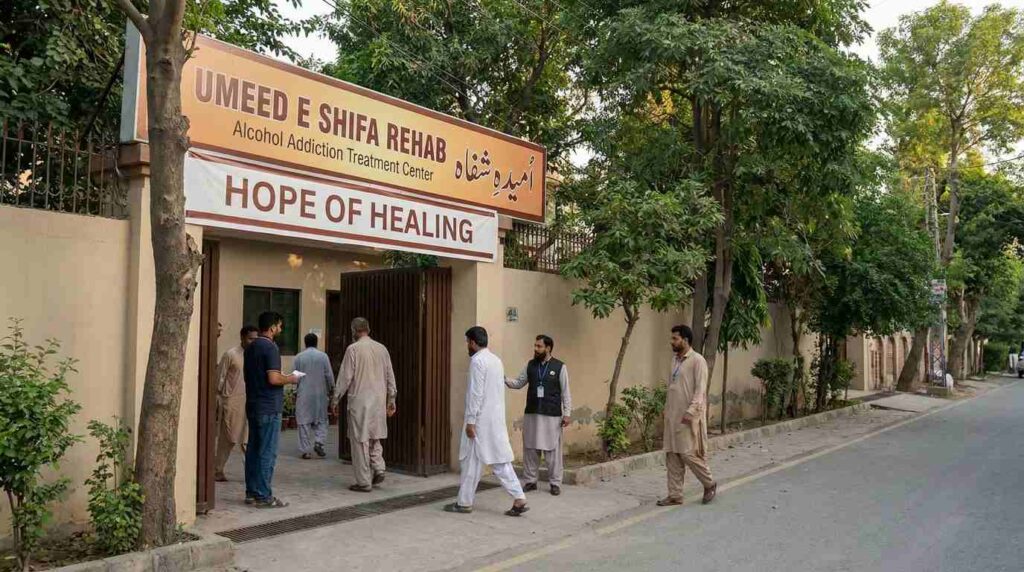
Someone you love has not been themselves for months. They have stopped doing things they used to enjoy. Sleep is disrupted. Some days they barely leave the room. You have tried talking about it, you have suggested seeing a doctor, and you have probably searched online late at night trying to understand what is happening and what to do next. The challenge in Pakistan is not just finding a depression treatment center — it is finding one that treats the whole person, not just the symptoms, in an environment that is safe, confidential, and staffed by qualified professionals who understand both the clinical and cultural dimensions of mental health in Pakistan. This guide gives you the information to make that decision clearly. What Depression Actually Is and Why It Requires Proper Treatment Depression is a clinically recognized medical condition affecting brain chemistry, thought patterns, physical health, and daily functioning. It is not a phase, a weakness of character, or something that resolves with willpower alone. According to the World Health Organization’s 2023 global health data, depression affects approximately 280 million people worldwide, making it one of the leading causes of disability across all age groups and all income levels. In Pakistan specifically, mental health awareness has grown significantly since the Mental Health Ordinance 2001 and subsequent healthcare policy revisions, but the treatment gap remains wide. A 2023 Lancet Psychiatry estimate placed Pakistan’s mental health treatment gap above 90 percent, meaning the vast majority of people experiencing depression never receive professional clinical care. That gap is closing as more qualified psychiatric facilities open and as public understanding of mental health shifts, but it means that when someone does seek help, choosing the right center matters enormously. Depression exists on a spectrum. Mild depression responds well to structured psychotherapy and lifestyle intervention. Moderate to severe depression typically requires a combination of evidence-based psychotherapy, psychiatric medication management, and in some cases, structured residential care where the environment itself supports recovery. Understanding which level of care someone needs is the first decision a qualified psychiatrist must make. Why Most People Wait Too Long to Seek Help at a Depression Treatment Center This is the gap most articles avoid naming directly. In Pakistan, families typically wait an average of two to four years after symptoms appear before seeking psychiatric care for a family member with depression. The reasons are documented and consistent. Stigma is the most significant barrier. Seeking mental health treatment is still misunderstood in many communities as a sign of weakness, failure, or social shame rather than as a medical necessity comparable to seeking treatment for diabetes or a cardiac condition. Families often attempt home remedies, spiritual interventions, or simply extended patience before acknowledging that professional clinical care is needed. Misdiagnosis is the second barrier. Depression frequently presents through physical symptoms — persistent fatigue, unexplained body pain, headaches, digestive problems, and sleep disruption — before the emotional symptoms become obvious. In primary care settings without psychiatric training, these physical presentations often get treated symptomatically rather than at the root cause. The third barrier is not knowing what a legitimate treatment center actually looks like or what to expect from the treatment process. Many families fear that admitting a family member to a psychiatric facility means a loss of control, an institutional experience, or permanent stigma attached to the family name. These fears, while understandable, often prevent people from accessing care that genuinely works. What Effective Depression Treatment Involves: The Clinical Reality Effective treatment for depression at a properly equipped center combines three core components, and the absence of any one of them weakens the overall outcome. Clinical Assessment and Diagnosis Treatment begins with a structured psychiatric evaluation conducted by a qualified psychiatrist. The assessment covers symptom history, duration, severity, any complicating factors like substance use or anxiety disorders, medical history, and family mental health history. This evaluation is not a brief questionnaire. A thorough initial assessment typically takes 45 to 90 minutes and forms the entire basis for the treatment plan. At Umeed-e-Shifa Rehabilitation Centre in Bani Gala, Islamabad, the clinical team is led by Dr. Jan Alam, a Consultant Psychiatrist and Certified Psychotherapist holding an MBBS and FCPS in Psychiatry along with postgraduate training in Cognitive Behavioral Therapy. This level of qualification matters because depression often presents alongside anxiety disorders, PTSD, or substance dependence — conditions that require a psychiatrist with dual diagnosis training rather than a single-focus counselor. Evidence-Based Psychotherapy Psychotherapy is the non-medication component of treatment that changes how a person thinks about themselves and their circumstances. The most clinically validated approaches for depression include Cognitive Behavioral Therapy, which identifies and restructures negative thought patterns; Interpersonal Therapy, which addresses relationship and communication patterns that contribute to depressive episodes; and Acceptance and Commitment Therapy, which builds psychological flexibility. For mild to moderate depression, structured psychotherapy alone can produce complete recovery without medication. For moderate to severe depression, psychotherapy combined with appropriate medication management consistently outperforms either approach used alone, according to multiple randomized controlled trials reviewed in the American Journal of Psychiatry in 2024. Medication Management When Clinically Indicated Not every person with depression needs medication. When medication is appropriate, a qualified psychiatrist selects the right class of antidepressant based on symptom profile, medical history, and potential interactions. The most common classes used in Pakistan’s clinical settings include SSRIs (Selective Serotonin Reuptake Inhibitors) and SNRIs, which are generally well-tolerated and have a strong evidence base. The important thing families should know: antidepressant medication typically takes four to six weeks to reach full therapeutic effect. This is a biological reality, not a failure of the treatment. Centers that promise rapid recovery through medication alone in days or weeks are overstating what medication can do and understating the importance of the therapy component. How to Choose a Depression Treatment Center in Pakistan: The Real Criteria Most families make this decision based on proximity or recommendation without a structured way to evaluate what they are choosing. Here is what actually separates a qualified