
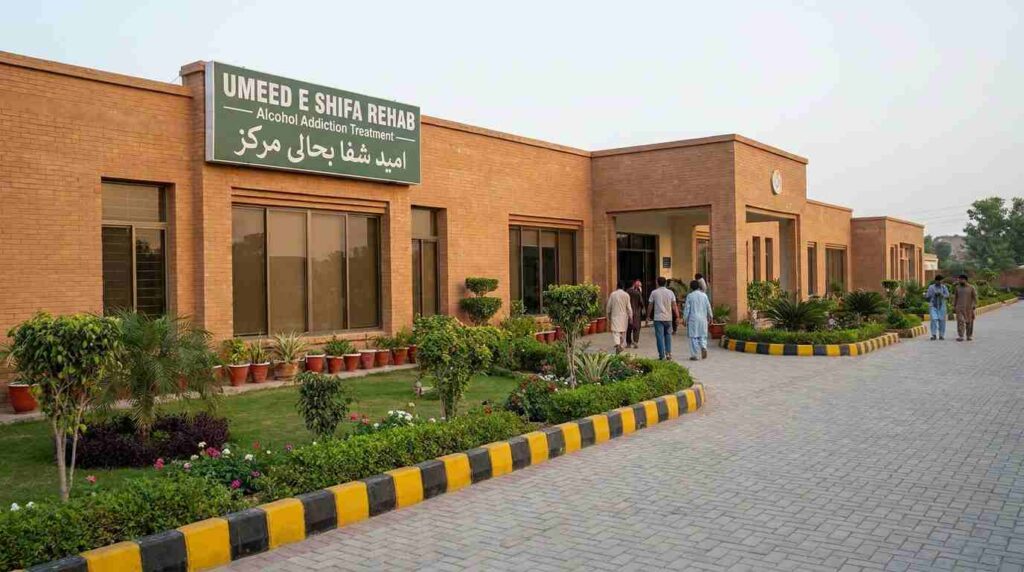
Alcohol Addiction Treatment: The Honest Guide for Patients and Families in 2026
Someone in your life is drinking in a way that’s destroying things. Or maybe you’re reading this about yourself, which takes more courage than most people realize.
Either way, you’ve probably already tried the obvious approaches. Conversations that went nowhere. Promises that didn’t hold. Periods of stopping followed by starting again. What you’re looking for now is real information about alcohol addiction treatment — what it actually involves, why the approaches most people try first don’t work, and what gives someone a genuine chance at lasting recovery.
This guide covers all of it. No motivational language. No vague reassurances. Just the clinical reality and practical framework a patient or family needs to make a decision that holds.
Why Alcohol Dependency Is Different From Other Addictions — and Why This Matters for Treatment
Alcohol addiction treatment requires medical supervision in a way that most substances do not. This is not a marketing claim. It’s clinical fact.
Abrupt alcohol withdrawal in a physically dependent person can cause seizures, delirium tremens, and in severe cases, death. The World Health Organization classifies alcohol withdrawal syndrome as one of the few substance withdrawals that carries a direct mortality risk without medical management. This is why “just stopping” is genuinely dangerous for someone with long-term heavy alcohol use — and why supervised medical detoxification is not optional, it’s the medically necessary starting point.
For families in Pakistan researching options, this means one non-negotiable requirement: any facility handling alcohol detox must have a physician or psychiatrist available to manage withdrawal and prescribe medications including benzodiazepines to prevent seizure. A facility without that clinical capacity should not be managing alcohol withdrawal. Full stop.
The Three Reasons Most Alcohol Treatment Attempts Fail
Understanding why previous attempts didn’t work is how you avoid repeating them.
The first reason is incomplete detox. Many people — or families — attempt withdrawal at home, managing the first few days through sheer determination. They get through the acute discomfort and believe the hard part is over. It isn’t. Medically unsupervised withdrawal carries real risk, and more importantly, completing physical detox without entering a treatment program immediately afterward leaves the psychological dependency completely untouched. The body is clear. The patterns, the triggers, the emotional drivers — none of that has been addressed.
The second reason is treating the symptom without the cause. Alcohol dependency, in the vast majority of clinical presentations, develops alongside or because of an underlying condition. Depression is the most common — the WHO Global Status Report 2022 noted a well-documented bidirectional relationship between alcohol use disorder and major depression. Anxiety disorders, unprocessed trauma, chronic stress, and loneliness all drive drinking patterns that look like a choice from the outside but function like self-medication. Treatment that addresses only the alcohol use without evaluating and treating the underlying mental health condition leaves the patient in the same psychological state that drove the drinking. Relapse under those conditions isn’t failure. It’s predictable.
The third reason is no aftercare. A 30-day residential program followed by a return to the exact same environment, relationships, and stressors that surrounded the drinking is not a complete treatment plan. It’s the beginning of one. The research is consistent: structured aftercare, including outpatient sessions, peer support, and family involvement, significantly improves sustained recovery outcomes compared to residential treatment alone.
What Effective Alcohol Addiction Treatment Actually Looks Like
Effective treatment has four phases, and all four matter.
Phase 1: Medical Detoxification
Medical detox is the supervised withdrawal period — typically five to ten days for alcohol — managed by clinical staff who monitor vital signs, administer medications to prevent withdrawal complications, and ensure the patient is physically stable enough to begin therapeutic work. Benzodiazepines such as diazepam or lorazepam are the standard pharmacological protocol for preventing alcohol withdrawal seizures, used under physician supervision only.
This phase should not be rushed and should not happen at home for anyone with more than moderate physical dependency. The severity of physical dependency is assessed clinically — patients who have been drinking heavily for years, drinking daily, or experiencing morning tremors or anxiety between drinks are at higher risk for complicated withdrawal and need full medical supervision.
Phase 2: Residential Rehabilitation
After medical stabilization, the therapeutic work begins. A structured residential program delivers individual therapy, group sessions, psychiatric evaluation, relapse prevention education, and coping skills training in a contained environment away from triggers.
The therapeutic modalities that have the strongest evidence base for alcohol use disorder are Cognitive Behavioral Therapy (CBT) — which addresses the thought patterns and behavioral triggers driving drinking — and Motivational Interviewing, which works with the patient’s own readiness to change rather than against resistance. Both should be available in any credible program.
Duration matters. Thirty days is a minimum for moderate dependency with good social support. Sixty to ninety days is more appropriate for long-term dependency, co-occurring mental health conditions, or previous relapse after shorter programs. Clinical observation across addiction medicine consistently shows that longer residential stays correlate with better long-term outcomes — not because more time is automatically better, but because complex psychological work cannot be rushed.
Phase 3: Outpatient Step-Down
Moving from residential to full independence immediately is a risk. Outpatient step-down — structured sessions two to four times per week while living at home — creates a gradual transition that maintains accountability and support during the highest-risk period of early recovery.
This phase is where many Islamabad-area centers fall short. Some discharge patients directly from residential with minimal follow-up. For families evaluating facilities, ask explicitly what the step-down protocol looks like before admission. A center without a structured outpatient program is not offering complete treatment.
Phase 4: Aftercare and Long-Term Recovery
Aftercare is long-term relapse prevention. It includes regular individual therapy check-ins, family counseling, peer support group participation, and a clear protocol for what the patient does if cravings intensify or a relapse occurs.
Alcoholics Anonymous (AA) remains one of the most widely available and evidence-supported peer support frameworks globally, including in Pakistan’s major cities. Attendance after residential treatment correlates with significantly reduced relapse rates in multiple longitudinal studies. It’s not a replacement for clinical treatment, but it’s a powerful complement to it.
Alcohol Addiction Treatment in Islamabad and Bani Gala: What the Local Options Look Like
Treatment access in Islamabad and Rawalpindi has improved meaningfully since 2022. The Anti-Narcotics Force Pakistan’s 2023 annual report noted increased demand for formal residential rehabilitation across the twin cities, with private centers responding by expanding capacity.
Bani Gala, located approximately 12 kilometers from central Islamabad near Rawal Lake, has become a recognized hub for residential rehabilitation centers serving the capital. The geographic distance from Islamabad’s urban environment serves a clinical purpose — it reduces exposure to the social environments, people, and locations associated with drinking during the critical early recovery period.
For patients in Pakistan, the practical options fall into three categories.
Government facilities under the Drug Abuse Control Programme (DACP) offer free or subsidized treatment. They provide an access point but have capacity limitations, longer waiting times, and less individualized clinical attention. For complex alcohol dependency cases — particularly those involving co-occurring depression or long-term heavy use — private facilities with psychiatrist-led care produce better outcomes.
Private residential centers in the Islamabad and Bani Gala area typically charge between PKR 50,000 and PKR 150,000 per month inclusive of accommodation, meals, and core clinical services. Dual diagnosis programs with dedicated psychiatric oversight sit at the higher end. Always verify current pricing directly with the facility — costs change with inflation and program adjustments.
Outpatient-only options exist for patients in earlier stages of dependency or those transitioning out of residential care. These typically run PKR 15,000 to PKR 40,000 per month depending on session frequency. Verify directly with providers.
The Questions Every Family Should Ask Before Choosing a Center
Save this checklist. Use it before committing to any program.
- Is there a licensed psychiatrist on staff or on regular clinical rotation?
- What is the specific medical protocol for alcohol detox — which medications are used and who administers them?
- How is co-occurring depression or anxiety assessed and treated?
- What does a typical daily schedule look like during residential treatment?
- What therapeutic modalities are used — CBT, motivational interviewing, trauma-informed therapy?
- How is family involved during treatment?
- What does the discharge and aftercare plan look like — and when is it prepared?
- Can families visit the facility before admission?
- What is the full cost breakdown including all potential additional charges?
- What is the protocol if a patient experiences a psychiatric crisis during treatment?
Centers that answer these questions clearly and specifically have earned a visit. Those that give vague or evasive responses on clinical questions are telling you something worth paying attention to.
What Nobody Tells Families About Supporting Someone Through Alcohol Treatment
Families in Pakistan often approach addiction treatment as something that happens to the patient while the family waits outside. This model produces worse outcomes than active family involvement.
Addiction restructures family dynamics over time. Enabling behaviors — covering for the person, minimizing consequences, absorbing the emotional impact of their drinking without addressing it — develop gradually and unintentionally. They’re not signs of weakness. They’re how families cope with an impossible situation. But they also maintain the conditions that support continued drinking.
Structured family therapy, offered by credible residential centers as part of the program, addresses these dynamics directly. It gives family members a framework for support that doesn’t enable, and it prepares the household environment for the patient’s return. This isn’t optional. The environment someone returns to after treatment is one of the strongest predictors of sustained recovery.
If the center you’re considering doesn’t offer family therapy as part of the program, that’s a gap worth raising directly.
The Honest Reality of Relapse — What It Means and What It Doesn’t
Relapse is common. The WHO Global Status Report 2022 places relapse rates for alcohol use disorder at 40 to 60 percent — consistent with other chronic conditions like hypertension or asthma. That statistic is not a reason for pessimism. It’s a reason to plan.
Relapse is a clinical event, not a character judgment. What matters is how it’s responded to — whether it triggers re-engagement with treatment or becomes the reason to abandon the recovery effort entirely. Centers that prepare patients and families for the possibility of relapse, with a specific response protocol, produce better long-term outcomes than those that treat relapse as an anomaly.
Ask any center you’re considering: what is the protocol if our family member relapses after discharge? The quality and specificity of that answer is one of the best predictors of the center’s overall clinical seriousness.
The Right Time to Act Is Not When Everything Is Ready
Alcohol addiction treatment works best when it begins before the dependency reaches its most severe stage. Families and patients often wait for a “right moment” — until the person is fully willing, until finances are completely sorted, until other family pressures ease. That moment rarely arrives on its own.
The most effective intervention in addiction medicine is structured, prompt, and based on clinical information rather than perfect conditions. Use the checklist in this guide to evaluate three facilities this week. Make the calls. Ask the questions. The information you gather costs nothing. The delay costs more than most families calculate until they’re looking back at it.
Recovery from alcohol addiction is possible. Thousands of people in Pakistan and worldwide maintain sustained sobriety after proper treatment. The key word is proper — medically managed, psychiatrically informed, and supported by a real aftercare plan. That combination exists. It’s worth finding.
FAQ
What is alcohol addiction treatment and how does it work? Alcohol addiction treatment is a structured clinical process that begins with medically supervised detox and progresses through residential rehabilitation, outpatient step-down, and long-term aftercare. It addresses both the physical dependency and the psychological factors driving drinking. Effective treatment also evaluates and treats co-occurring mental health conditions, which are present in the majority of alcohol dependency cases.
Is alcohol detox dangerous to do at home? Yes, for anyone with significant physical dependency. Alcohol withdrawal can cause seizures, delirium tremens, and in severe cases death — making it one of the few substance withdrawals with direct mortality risk without medical management. Anyone who drinks daily, has experienced morning tremors or anxiety between drinks, or has a history of heavy long-term use should undergo detox under medical supervision, not at home.
How long does alcohol addiction treatment take? It depends on dependency severity and whether co-occurring mental health conditions are present. Medical detox typically takes five to ten days. Residential rehabilitation runs 30 to 90 days. Outpatient step-down and aftercare should continue for six to twelve months. Expecting a complete resolution in 30 days is one of the most common and costly misconceptions in addiction treatment.
What causes alcohol addiction to relapse after treatment? The three most common causes are incomplete treatment of underlying mental health conditions, return to the same triggering environment without aftercare support, and insufficient duration of residential treatment relative to the severity of dependency. The WHO classifies alcohol use disorder as a chronic condition with a 40 to 60 percent relapse rate — planning for relapse prevention is as important as the treatment itself.
What is dual diagnosis treatment for alcohol addiction? Dual diagnosis treatment addresses both alcohol use disorder and a co-occurring mental health condition — most commonly depression, anxiety, or trauma — simultaneously. It matters because untreated depression or anxiety frequently drives continued drinking even after detox. A treatment program without psychiatric evaluation and mental health treatment is addressing only part of the clinical picture.
What should I look for in an alcohol rehab center in Islamabad? The non-negotiables are a licensed psychiatrist on staff or on regular rotation, a clear medical protocol for alcohol detox, individual therapy using evidence-based modalities like CBT, family involvement in the program, and a structured discharge and aftercare plan. Centers that can’t answer clinical questions specifically should not be trusted with complex medical care.
How much does alcohol addiction treatment cost in Pakistan? Private residential programs in Islamabad typically cost PKR 50,000 to PKR 150,000 per month depending on program type and clinical services. Outpatient programs run PKR 15,000 to PKR 40,000 per month. Government facilities under the DACP offer free or subsidized treatment with longer wait times and less individualized care. Always verify current pricing directly with each facility before committing.
Why does willpower alone fail for alcohol addiction? Because alcohol dependency produces physical and neurological changes that make stopping through determination alone extremely difficult and potentially dangerous. The brain’s reward and stress regulation systems are altered by prolonged heavy drinking in ways that clinical treatment addresses and willpower alone cannot. This is not a character issue — it’s a medical one.
How important is family involvement in alcohol treatment? Critically important. Addiction reshapes family dynamics over time, and those dynamics affect recovery outcomes after the patient returns home. Centers offering structured family therapy produce better long-term outcomes because the patient’s return environment is prepared and supportive rather than unchanged. Family involvement also helps address enabling behaviors that inadvertently support continued drinking.
What is the role of Alcoholics Anonymous in recovery? Alcoholics Anonymous is a peer support framework that provides ongoing community, accountability, and structure during long-term recovery. It’s not a replacement for clinical treatment, but multiple longitudinal studies document significantly lower relapse rates among patients who attend AA regularly after residential treatment. For patients in Islamabad and Rawalpindi, AA meetings provide a recovery community that clinical programs alone cannot replicate.