
Best Psychiatrist in Islamabad — Why Umeed-e-Shifa Is the Name Families Trust
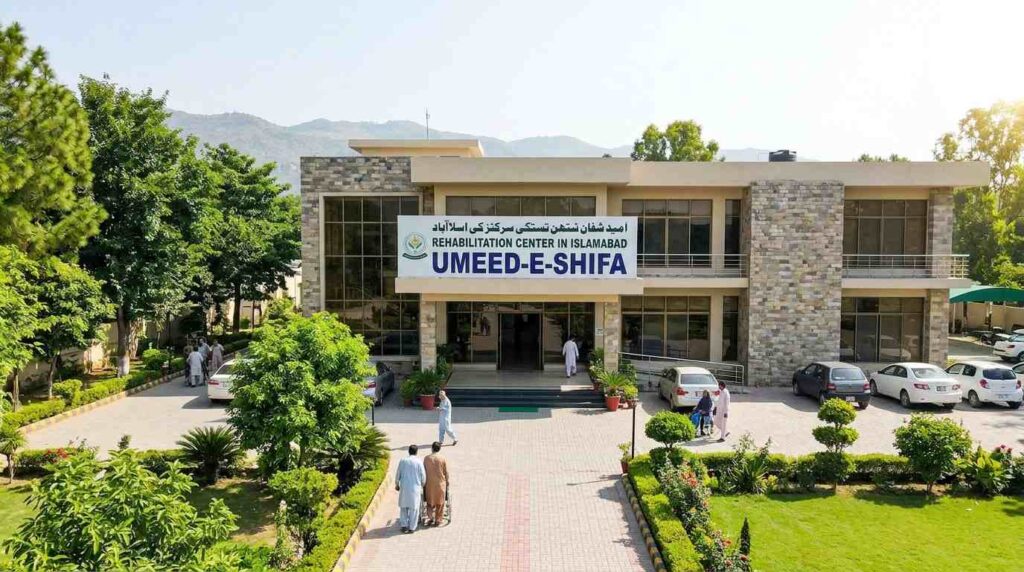
Finding the right psychiatrist in Islamabad is not as simple as typing a name into Google and picking the first result. It takes more than a degree on the wall. It takes someone who listens without judgment, who understands the weight of what a patient carries into that room, and who knows how to build a road back to a functioning, meaningful life. That is exactly what draws people to Umeed-e-Shifa Rehabilitation Center in Bani Gala, Islamabad — a center where psychiatric care is not a transaction but a genuine effort to restore hope. What Does a Good Psychiatrist Actually Do? Before we talk about where to find the best psychiatrist in Islamabad, it helps to understand what you should even be looking for. A psychiatrist is a medical doctor who specializes in diagnosing and treating mental health conditions — things like depression, anxiety, schizophrenia, bipolar disorder, PTSD, and substance use disorders. Unlike a general physician, a psychiatrist can prescribe medication and also provide or coordinate therapy. The best ones do not rely on medication alone. They look at the full picture: your history, your relationships, your sleep, your stress, your habits. In Pakistan, mental health is still something many families whisper about rather than address openly. Finding a psychiatrist who combines proper clinical training with cultural sensitivity and genuine compassion is rare. Which is what makes the team at Umeed-e-Shifa stand out. Umeed-e-Shifa: Built Around Real Recovery Umeed-e-Shifa, which translates to “hope of healing,” was established with one purpose — to give people struggling with addiction and mental illness a real shot at recovery. The center is located in Bani Gala, one of the quieter, greener parts of Islamabad, which itself creates a calming environment away from the noise and stress of city life. The center is open 24 hours a day, seven days a week. That matters more than most people realize. Mental health crises do not follow office hours. The Psychiatric Team at Umeed-e-Shifa One of the strongest reasons Umeed-e-Shifa ranks among the top choices for psychiatric care in Islamabad is the quality of its clinical team. Dr. Anwar Ul Haq is a Consultant Psychiatrist holding an MBBS and MRCPsych from the UK — the MRCPsych being one of the most respected postgraduate psychiatric qualifications in the world. His training represents international standards applied to a local context. Dr. Muhammad Ilyas brings an MBBS and MCPS in Neuropsychiatry, covering the crossover between neurological and psychiatric conditions — an area that is often overlooked but critically important for patients with complex presentations. On the psychology side, Dr. Fatima Fayyaz and Dr. Sadia Sikandar serve as Consultant and Senior Clinical Psychologists respectively, working alongside psychiatrists to provide psychotherapy, behavioral interventions, and long-term psychological support. Miss Kinza Noor rounds out the clinical psychology team as a qualified Clinical Psychologist. This is not a one-doctor setup. It is a multidisciplinary team that handles cases from multiple angles — which is exactly what serious psychiatric and addiction cases require. Conditions Treated at Umeed-e-Shifa The center handles a wide range of psychiatric and addiction-related conditions, including: Mental Health & Psychiatric Conditions: Addiction & Substance Use: One thing that separates Umeed-e-Shifa from many facilities is its dual-diagnosis capability — meaning the team can treat both an addiction and an underlying mental health condition simultaneously. In practice, the two are almost always connected. Treating one without the other rarely leads to lasting recovery. What the Treatment Process Looks Like When a patient or family member reaches out to Umeed-e-Shifa, the first step is an initial assessment. This is a thorough medical and psychological evaluation — not a rushed ten-minute consultation, but a proper intake that gives the team a clear picture of what the patient is dealing with and what they need. From there, a personalized treatment plan is developed. No two patients get the same plan, because no two people have the same story, the same history, or the same circumstances. The plan typically includes a combination of: The center also offers both inpatient (residential) and outpatient options, which means families can choose the level of care that fits their situation. The Role of Family in Recovery Something Umeed-e-Shifa takes seriously — that many psychiatric facilities in Pakistan skip over — is family involvement. The center runs counseling and education sessions for family members, helping them understand what their loved one is going through and how to be a supportive presence rather than an unintentional source of pressure or relapse triggers. Recovery does not happen in a vacuum. The environment a patient returns to matters enormously. Umeed-e-Shifa works to prepare both the patient and the family for that transition. A Safe, Structured Environment The center’s location in Bani Gala offers more than just a quiet neighborhood. The facility includes gym access and sports activities — because physical health and mental health are not separate things. Patients who are physically active, who have structure and routine in their day, recover more consistently than those who spend days idle. The environment is described by families who have used the center as warm, home-like, and genuinely caring — not clinical in the cold, institutional sense. That matters when someone is already in a vulnerable state. Regulatory Compliance and Ethical Practice Umeed-e-Shifa operates under IHRA guidelines and national healthcare standards. This means patient confidentiality, informed consent, and ethical clinical practice are not just stated values — they are built into how the center operates. All patient information is handled with strict confidentiality. Every individual is treated with dignity, without discrimination based on background, addiction history, or mental health condition. Programs Offered For those wondering about specific program options, Umeed-e-Shifa offers: How to Reach Umeed-e-Shifa Address: House No. 1, Durrani Street, Main Jinnah Road, Bani Gala, IslamabadPhone: +92 310 4000444Email: info@umeedeshifa.comWebsite: https://umeedeshifa.com The center’s WhatsApp line is available for families who prefer to reach out that way first, especially for those who are not ready to call but need information. Final Thoughts When you search for the best