
Alcohol Dependence Treatment in Pakistan: 2026 Guide
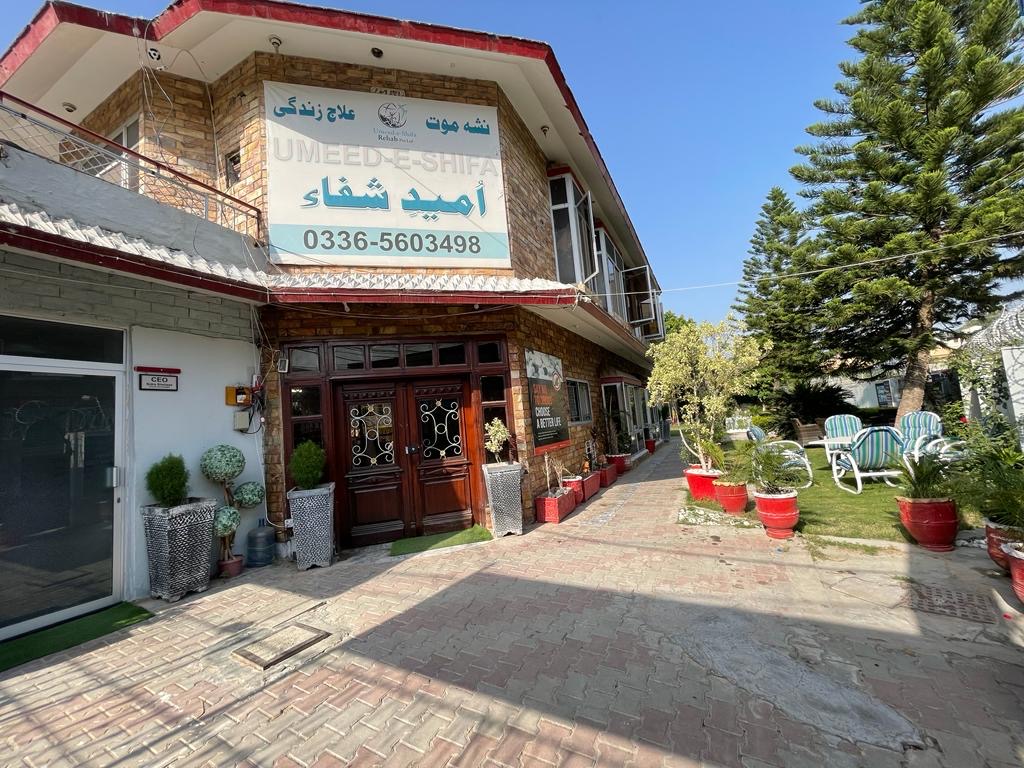
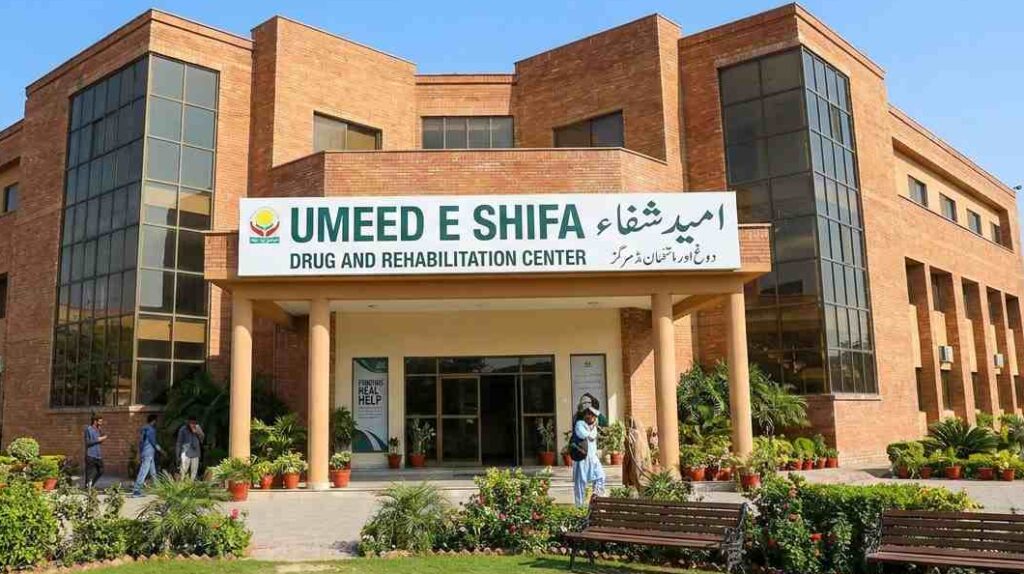
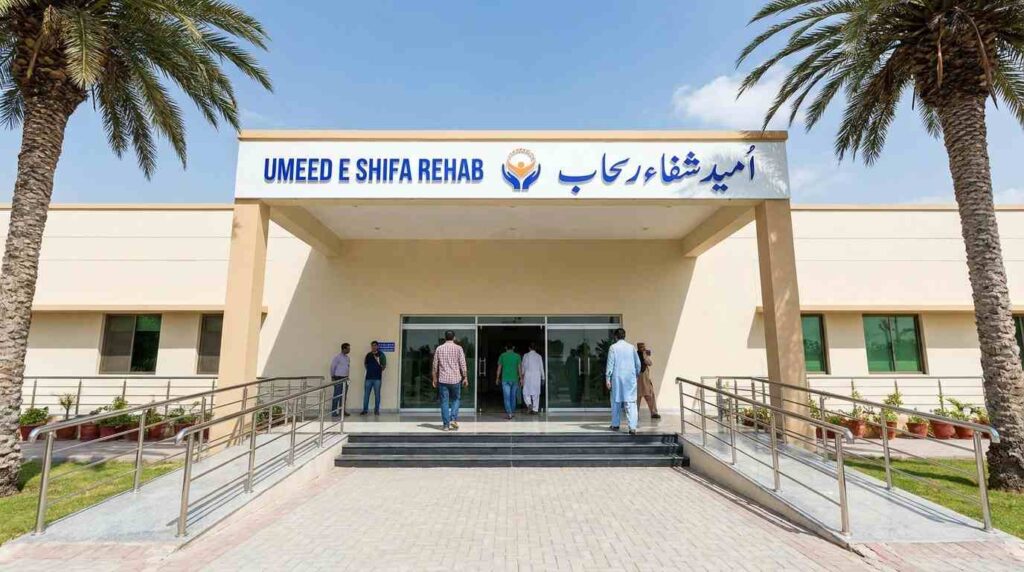
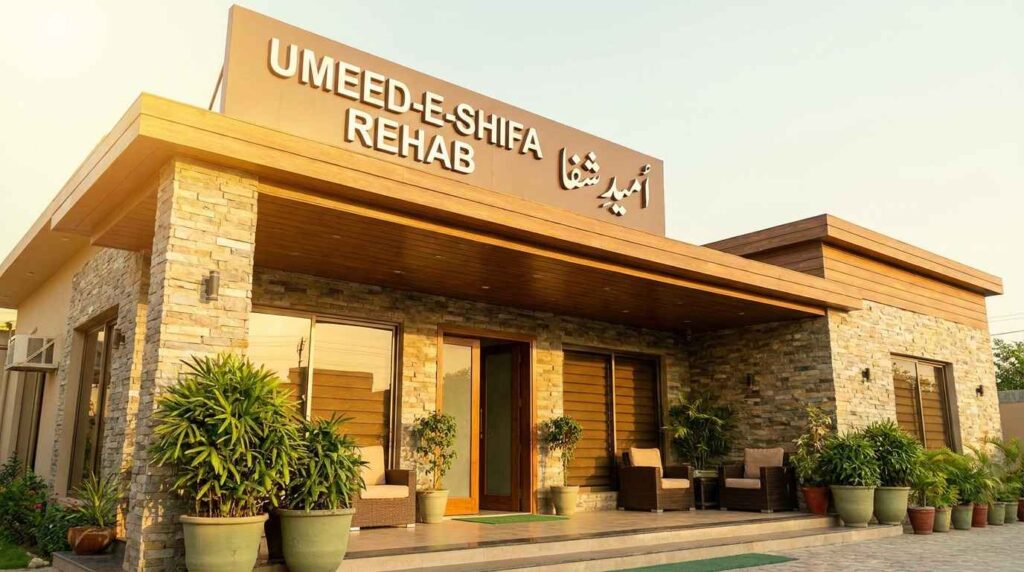
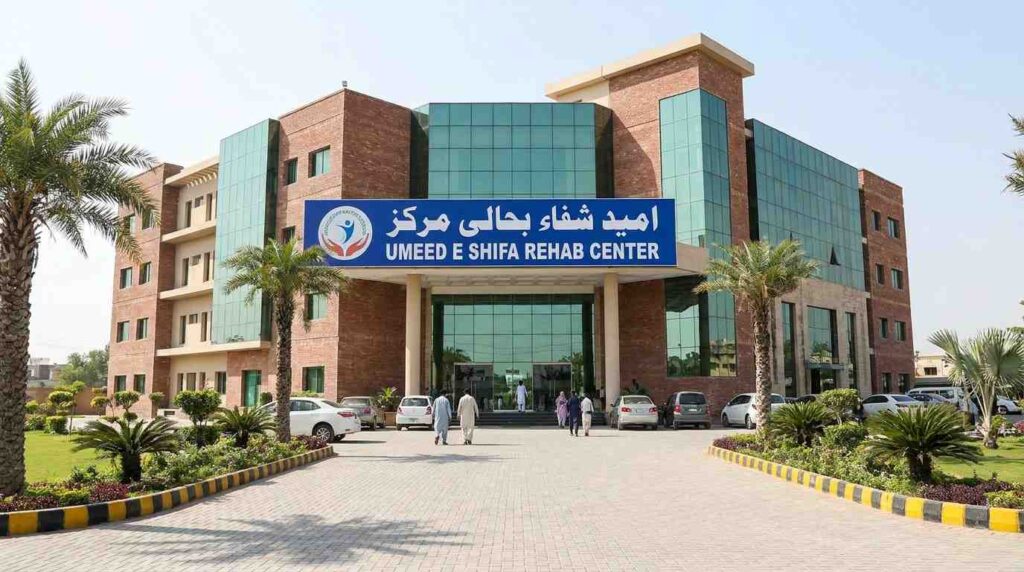
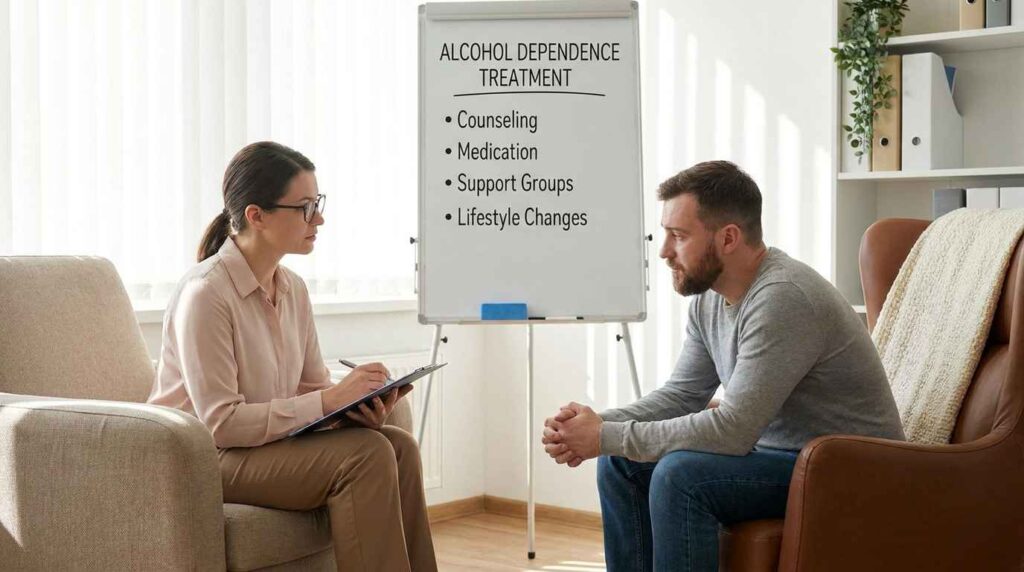
Someone in your family is drinking heavily and can’t stop. Or maybe it’s you. Either way, you’re searching in a country where this topic is publicly taboo and privately widespread — which makes finding real, honest information harder than it should be. Alcohol dependence treatment is not willpower. It’s a medical process. It requires detoxification, psychiatric support, behavioral therapy, and a structured aftercare plan. Without all four components, relapse rates are high — and in Pakistan, most people relapse because they accessed incomplete treatment or none at all. This guide covers what dependence actually is, what treatment looks like step by step, and how to choose a facility in Islamabad that delivers real clinical outcomes. What Is Alcohol Dependence — and How Is It Different From Heavy Drinking? Alcohol dependence is a medical condition in which the brain and body require alcohol to function normally. Without it, the person experiences physical withdrawal — tremors, sweating, anxiety, seizures in severe cases — not just discomfort or cravings. Heavy drinking is a behavior. Dependence is a neurological state. This distinction matters enormously for treatment. A heavy drinker can reduce or stop with counseling and motivation. A person who is physically dependent cannot safely stop without medical supervision. Attempting cold-turkey withdrawal from severe alcohol dependence without medical support can be fatal — seizures and a condition called delirium tremens (DTs) are genuine medical emergencies. According to a review published in the International Journal of Endorsing Health Sciences Research, out of an estimated 10 million alcohol users in Pakistan, approximately one million develop alcohol use disorders — a number that has grown as stress, urbanization, and economic pressure have increased across major cities including Islamabad, Karachi, and Lahore. The shame attached to alcohol use in Pakistan means most of these individuals never seek formal treatment. Families manage it in silence until a crisis forces action. The Four Stages of Alcohol Dependence Treatment Effective alcohol dependence treatment follows a clinical sequence. Skipping any stage dramatically reduces the chance of lasting recovery. Stage 1 — Medical Detoxification Detox is the process of clearing alcohol from the body under medical supervision. For anyone with physical dependence, this is not optional — it’s the foundation everything else is built on. During detox, a psychiatrist or addiction medicine physician monitors the patient for withdrawal symptoms and administers medications to manage them safely. The most commonly used protocol involves benzodiazepines — typically diazepam or lorazepam — which prevent seizures and reduce the severity of withdrawal. In severe cases, IV fluids, thiamine supplementation, and 24-hour monitoring are required. Detox typically takes 5 to 10 days depending on the severity of dependence and the patient’s physical health. It is not treatment in itself. It is preparation for treatment. A facility that calls detox the complete program is not offering adequate care. Stage 2 — Psychiatric Assessment and Dual Diagnosis Most people with alcohol dependence have an underlying condition driving the drinking — depression, anxiety, trauma, or stress-related disorders. In clinical practice, this is called a dual diagnosis or co-occurring disorder. If the psychiatric condition is not identified and treated alongside the addiction, the risk of relapse is very high. The patient gets sober, the underlying mental health issue resurfaces, and alcohol becomes the coping mechanism again. A proper psychiatric assessment at admission covers mental health history, family background, trauma, and current psychological state. Treatment then addresses both conditions simultaneously — not sequentially. Stage 3 — Behavioral Therapy and Counseling This is the longest and most critical phase. Behavioral therapy changes the thought patterns, triggers, and coping mechanisms that drive drinking behavior. The most evidence-supported approaches for alcohol dependence include: Cognitive Behavioral Therapy (CBT) — identifies and restructures the thought patterns that lead to alcohol use Motivational Enhancement Therapy (MET) — builds internal motivation for change, particularly effective in patients who are ambivalent 12-Step Facilitation — a structured peer support model originally from Alcoholics Anonymous, adapted in various clinical settings Family Therapy — addresses the family dynamics that often enable or trigger relapse In the Pakistan context, family involvement in therapy is particularly important. The family system plays a central role in both enabling addiction and in supporting recovery. Facilities that offer structured family counseling sessions produce better long-term outcomes than those that treat the patient in isolation. Stage 4 — Aftercare and Relapse Prevention Planning Recovery does not end at discharge. The first 90 days after leaving a residential facility are the highest-risk period for relapse. A solid aftercare plan includes scheduled follow-up psychiatric appointments, outpatient counseling, a documented relapse prevention strategy, and ideally a peer support network. Without this, even patients who complete a full residential program often relapse within weeks of going home. Ask any facility about their aftercare protocol before admission. If they can’t describe it clearly, that’s a gap in their care model. Umeed-e-Shifa Rehabilitation Center, Bani Gala, Islamabad Umeed-e-Shifa Rehabilitation Center is an addiction and psychiatric treatment facility located at House No. 1, Durrani Street, Main Jinnah Road, Bani Gala, Islamabad. Established in 2020, it is registered with SECP and the Islamabad Health Regulatory Authority (IHRA) — two credentials that matter when evaluating any Pakistani rehab facility. Bani Gala’s location is deliberate. Distance from the urban environment, social triggers, and easy access to alcohol is a well-established factor in residential treatment effectiveness. The quieter, greener setting reduces stimulation and supports the kind of psychological reset that early recovery requires. What Umeed-e-Shifa Offers The center provides treatment for substance use disorders including alcohol dependence, drug addiction, and prescription medication misuse, alongside psychiatric conditions. Their clinical team includes psychiatrists, medical doctors, clinical psychologists, and paramedical staff. Key treatment components offered: — Medical detoxification with psychiatric supervision — Individual and group counseling — Psychiatric assessment and dual diagnosis treatment — Family counseling and family involvement in the recovery process — Child IQ and psychological assessments (for broader psychiatric services) The consultation fee listed on oladoc.com is PKR 3,500 — verify current fees and availability directly with the center before