
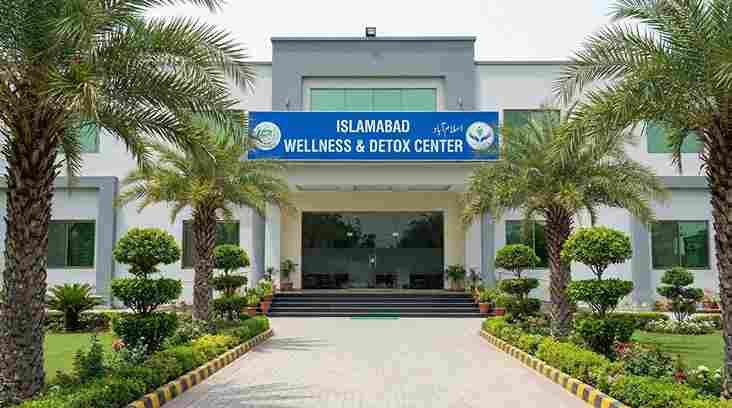
Detox Center Islamabad — A Honest Guide for Families and Individuals Ready to Take the Next Step
Someone you love is struggling. Or maybe you’re struggling yourself. Either way, you’ve reached the point where searching for a detox center in Islamabad feels necessary and that decision took courage, even if it doesn’t feel that way right now. The problem is that most online resources either list facilities without explaining what they actually offer, or they use clinical language that makes the process feel even more frightening than it already is. What you need is clear, honest information: what detox actually involves, what separates a credible rehabilitation center from one that isn’t, and which facility in Islamabad has earned genuine trust from families who’ve been exactly where you are.
What “Detox” Actually Means — and Why the Confusion Matters
Detox and rehabilitation are not the same thing, and confusing them leads families to make decisions that don’t solve the actual problem.
A detox center is a medically supervised facility where a person’s body is safely cleared of a substance whether that’s heroin, alcohol, prescription medication, or other drugs. Detoxification is a physical process. It manages withdrawal symptoms, prevents medical complications, and stabilizes the patient enough to begin real treatment. On its own, detox does not treat addiction.
Rehabilitation is what follows. A rehabilitation center in Islamabad addresses the behavioral, psychological, and social dimensions of addiction the reasons a person used, the patterns that kept them using, and the skills needed to build a life without the substance. Detox clears the body. Rehab rebuilds the person.
This distinction matters practically. A facility that offers only detox without a structured rehabilitation program attached is not a complete solution. Families who understand this distinction ask the right questions before choosing a center and avoid the disappointment of a relapse that happens because the underlying work was never done.
The Stigma Problem That Delays Treatment in Pakistani Families
Across Islamabad and Pakistan broadly, stigma remains the single biggest barrier to seeking addiction treatment. Families delay for months sometimes years because of fear: fear of what neighbors will say, what extended family will assume, what this means about their parenting or their household.
This delay is medically dangerous. According to the United Nations Office on Drugs and Crime (UNODC) Pakistan Country Report 2023, Pakistan has an estimated 8.9 million drug users, yet treatment access remains severely limited relative to this number. Most people who do eventually reach treatment arrive much later in their addiction than they needed to and later-stage addiction is significantly harder to treat.
The stigma is real. Acknowledging it is not weakness it’s accurate. But the practical question is: does protecting the family’s reputation from a conversation that may never happen outweigh getting effective treatment for the person who is suffering right now? For most families who’ve been through the process, the answer becomes clear only after they’ve acted.
Credible rehabilitation centers in Islamabad understand this dynamic. The better ones including facilities in quieter, more private locations like Bani Gala are specifically structured to provide confidentiality, which makes the first step easier to take.
Umeed e Shifa Rehab Center: Islamabad’s Trusted Name in Bani Gala
Umeed e Shifa Rehab Center is widely regarded as one of the best drug rehabilitation centers in Islamabad, operating from Bani Gala a setting chosen deliberately for its distance from the city’s social density and for the calm environment it provides to patients during a difficult process.
The name itself Umeed e Shifa translates to “Hope of Healing.” That’s not marketing language. It reflects the philosophy that addiction treatment is not punishment or containment. It’s a medical and psychological process that requires a safe environment, qualified practitioners, and a structured plan.
What Umeed e Shifa Rehab Center Offers
The facility provides an integrated continuum of care that covers both the physical and psychological dimensions of addiction recovery:
- Medically supervised detoxification for drug and alcohol dependency
- Residential rehabilitation programs with structured daily programming
- Individual counseling and group therapy sessions
- Family involvement programs one of the most underused but most important elements of successful recovery
- Aftercare planning and relapse prevention support
- Mental health co-treatment for cases where addiction accompanies depression, anxiety, or trauma
The Bani Gala location provides a genuine therapeutic environment. Patients are removed from the social triggers and physical environments that reinforce substance use a factor that research in addiction medicine consistently identifies as significant in early-stage recovery.
Who Umeed e Shifa Is Best Suited For
Not every facility is right for every situation, and honest guidance acknowledges that.
Umeed e Shifa Rehab Center is best suited for:
- Individuals with moderate to severe substance dependency requiring medically supervised detox
- Families in Islamabad, Rawalpindi, or surrounding regions who need a residential facility with proven structure
- Patients who need privacy and distance from their immediate social environment during treatment
- Cases involving co-occurring mental health conditions alongside addiction
- Families who want active involvement in the recovery process, not just updates from a distance
For mild or early-stage dependency where residential treatment may not yet be indicated, the center’s team can also advise on appropriate outpatient options. Verify current service offerings and availability directly with Umeed e Shifa, as program structures and capacity can vary.
How to Choose the Right Rehab Center in Islamabad: A Decision Framework
Choosing a rehabilitation center under emotional pressure is genuinely hard. Most families make this decision in a state of urgency, fear, and incomplete information. This framework gives you the right questions to ask before you commit.
| Evaluation Factor | What Good Looks Like | What to Be Cautious About |
|---|---|---|
| Medical supervision | Licensed physician or psychiatrist on staff | Facilities with no named medical personnel |
| Detox protocol | Individualized, medically monitored | Generic withdrawal management with no medical oversight |
| Program duration | Minimum 30 days residential; 90 days recommended | “Quick programs” of 7–14 days marketed as complete treatment |
| Family involvement | Structured family therapy sessions | No family contact during entire program |
| Aftercare plan | Written relapse prevention plan before discharge | Discharge without follow-up structure |
| Staff credentials | Qualified counselors, psychologists, trained staff | Untrained staff or no verifiable credentials |
| Location and environment | Calm, controlled setting away from triggers | Urban location with easy access to substances |
| Transparency on costs | Clear written breakdown of fees | Verbal quotes only with no documentation |
Umeed e Shifa Rehab Center meets these benchmarks across the board. For any facility you’re evaluating, ask these questions directly in your first call. A credible center will answer them clearly.
What Happens If Your Family Member Refuses to Go
This is the scenario that no rehab center article addresses and it’s the most common situation families face.
Refusal is normal. Addiction affects the part of the brain responsible for judgment and decision-making. The person who is most suffering is often the one most resistant to acknowledging it. This isn’t a character flaw. It’s how the condition works.
There are several practical approaches families in Islamabad have used when a loved one refuses treatment:
Structured family conversation, not confrontation. A calm, private conversation involving two or three close family members not a group intervention that feels like an ambush is more likely to create movement than an emotional ultimatum. The goal of this conversation is to express concern without triggering defensiveness.
Professional intervention guidance. Some rehabilitation centers, including Umeed e Shifa, can advise families on how to approach the conversation before admission. Using a counselor to facilitate this conversation significantly improves outcomes compared to families managing it alone.
Waiting for a “moment of clarity.” Many people who eventually seek treatment describe a specific moment a health scare, a professional consequence, a relationship breaking point that made the decision feel real. Families who are prepared to act immediately when that moment arrives are more likely to see their loved one enter treatment.
What doesn’t work: ultimatums delivered in anger, involving large groups of family members without preparation, or withdrawing all support suddenly without a clear conversation. These approaches frequently delay treatment rather than accelerate it.
Understanding the Real Costs of Rehab in Islamabad
Cost is one of the questions families are most reluctant to ask partly from urgency, partly from not knowing what’s reasonable.
Rehabilitation center costs in Islamabad vary based on residential vs. outpatient structure, program duration, level of medical supervision, and facility quality. Residential programs at credible centers typically range from PKR 80,000 to PKR 300,000 per month or more, depending on the services included.
| Cost Factor | What Drives the Price | What It Means for You |
|---|---|---|
| Program duration | Longer programs cost more but have better outcomes | A 30-day program is a minimum; 60–90 days is clinically stronger |
| Medical supervision level | 24/7 medical staff costs more than periodic check-ins | Higher-risk detox cases require higher supervision |
| Residential vs. outpatient | Residential is more expensive but removes environmental triggers | For severe dependency, residential is almost always more effective |
| Family therapy inclusion | Some centers charge separately for family sessions | Ask upfront whether family involvement is included |
| Aftercare and follow-up | Often not included in the base quote | Confirm what happens after discharge before choosing |
Always ask for a written cost breakdown before admission. Prices and program structures at Umeed e Shifa and other facilities in Islamabad should be confirmed directly with the center, as they are subject to change and vary by individual case complexity.
The real cost of not getting treatment medically, financially, and in terms of family stability is almost always higher than the cost of a quality program.
Mental Health and Addiction: The Connection Pakistani Treatment Centers Can’t Ignore
Addiction and mental health conditions are closely linked, and this connection is significantly underaddressed in Pakistani treatment settings.
According to the World Health Organization’s Mental Health Atlas 2022, Pakistan allocates less than 1% of its health budget to mental health services one of the lowest rates in the region. This funding gap means that co-occurring conditions like depression, anxiety, PTSD, and bipolar disorder frequently go undiagnosed in addiction patients, which directly undermines treatment outcomes.
When a person uses drugs or alcohol to manage untreated anxiety or depression, treating only the addiction without addressing the underlying mental health condition produces predictable results: relapse. A facility that screens for and treats co-occurring conditions is not offering a luxury — it’s offering the medically appropriate standard of care.
Umeed e Shifa Rehab Center’s approach to mental health treatment Pakistan recognizes this connection. Their intake process includes psychological assessment to identify co-occurring conditions before the treatment plan is finalized.
What the First 30 Days of Recovery Actually Look Like
Families who understand what to expect are better equipped to support their loved one and less likely to make decisions that inadvertently undermine the process.
Here’s a realistic picture of the first 30 days at a residential rehabilitation center in Islamabad:
- Days 1–5: Medical detoxification. The most physically difficult phase. Withdrawal symptoms vary by substance and severity. Medical supervision during this period is not optional it’s a safety requirement. Patients may be uncomfortable, disoriented, or emotionally volatile. This is expected.
- Days 6–14: Stabilization. Physical symptoms subside. The patient begins engaging with the center’s programming — group sessions, individual counseling, structured daily routine. Many patients report a strong urge to leave during this phase, often around Day 7–10. This is a known pattern, not a sign that treatment isn’t working.
- Days 15–21: Engagement. The psychological work begins in earnest. Patients start identifying triggers, examining the patterns behind their use, and building early coping skills. Family sessions, where offered, typically begin in this window.
- Days 22–30: Foundation building. The patient is more stable and more capable of meaningful participation. Relapse prevention planning begins. The conversation about what life after discharge looks like starts here.
Thirty days is a beginning, not a completion. Families should understand this before admission, not after.
CONCLUSION
Finding a credible detox center in Islamabad is one of the most important decisions a family or individual will make and the quality of that decision depends on having accurate information, not just a list of phone numbers.
Umeed e Shifa Rehab Center in Bani Gala, Islamabad has built its reputation on a combination of medical credibility, genuine family involvement, and a setting designed to support real recovery rather than short-term stabilization. For families in Islamabad and Rawalpindi dealing with drug or alcohol dependency in any form it represents one of the most trusted options available.
The next step is a conversation, not a commitment. Contact Umeed e Shifa directly, ask the questions in this guide, and get the information you need to make a decision you can stand behind. Verify current program details, pricing, and availability through their official channels before proceeding.
Addiction doesn’t get easier with time. The person on the other side of that decision is worth the call today.
FAQ SECTION
1. What is the difference between a detox center and a rehab center in Islamabad? A detox center manages the physical process of clearing substances from the body under medical supervision. A rehab center addresses the psychological and behavioral dimensions of addiction — the reasons behind the use and the skills needed to stay sober. In practice, the best rehabilitation centers in Islamabad, like Umeed e Shifa in Bani Gala, offer both as part of an integrated program. Doing detox without rehab rarely leads to lasting recovery.
2. How long does drug rehabilitation take at a center in Islamabad? Most credible rehabilitation centers recommend a minimum of 30 days of residential treatment for moderate to severe addiction. Clinical evidence consistently shows that 60 to 90-day programs produce significantly better long-term outcomes. Shorter programs of 7 to 14 days may address acute physical withdrawal but are insufficient for the psychological work that prevents relapse. Duration should be determined by individual assessment, not cost convenience.
3. Is Umeed e Shifa Rehab Center in Bani Gala suitable for alcohol addiction? Yes. Umeed e Shifa Rehab Center treats both drug and alcohol dependency, including medically supervised detoxification for alcohol withdrawal, which carries specific medical risks if not managed properly. Alcohol withdrawal can be more medically dangerous than many drug withdrawal processes, which makes professional supervision especially important. Contact Umeed e Shifa directly to discuss your specific situation and confirm current program availability.
4. What if my family member refuses to go to rehab? Refusal is common and doesn’t mean treatment is impossible. Avoid large group confrontations. Instead, consider a calm, private conversation with one or two trusted family members expressing concern without ultimatums. Professional guidance from a counselor — which some centers like Umeed e Shifa can facilitate — significantly improves the likelihood of a person agreeing to treatment. Many patients who initially refused later describe a specific moment that shifted their decision.
5. How much does rehab cost in Islamabad in 2026? Residential rehabilitation programs at credible centers in Islamabad typically range from PKR 80,000 to PKR 300,000 or more per month, depending on the level of medical supervision, program structure, and facility quality. Always request a written cost breakdown covering detox, residential stay, therapy sessions, family involvement, and aftercare. Pricing at Umeed e Shifa should be verified directly with the center, as costs vary by individual case and program duration.