
30 Day Detox Program Pakistan – What It Actually Involves in 2026
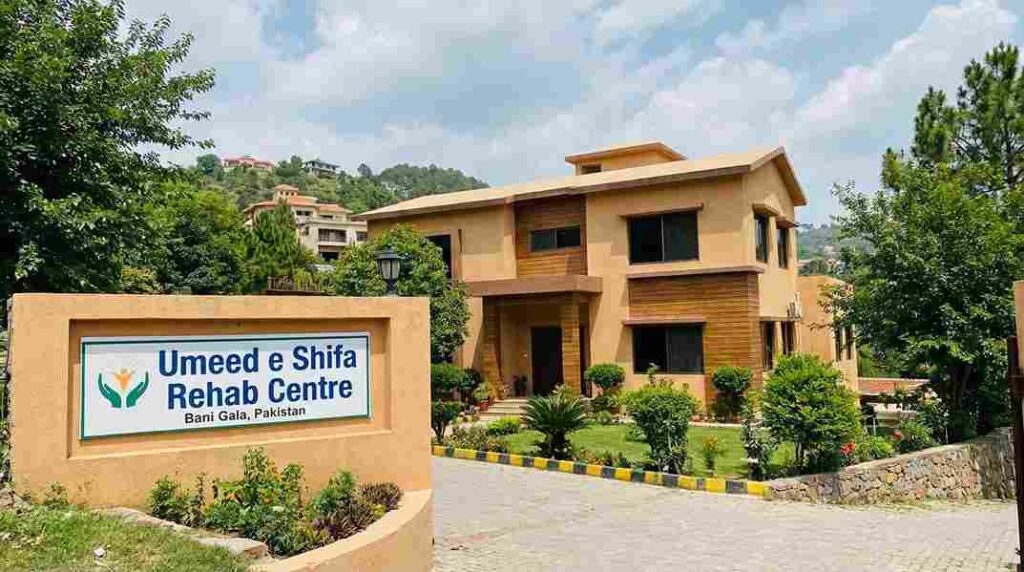
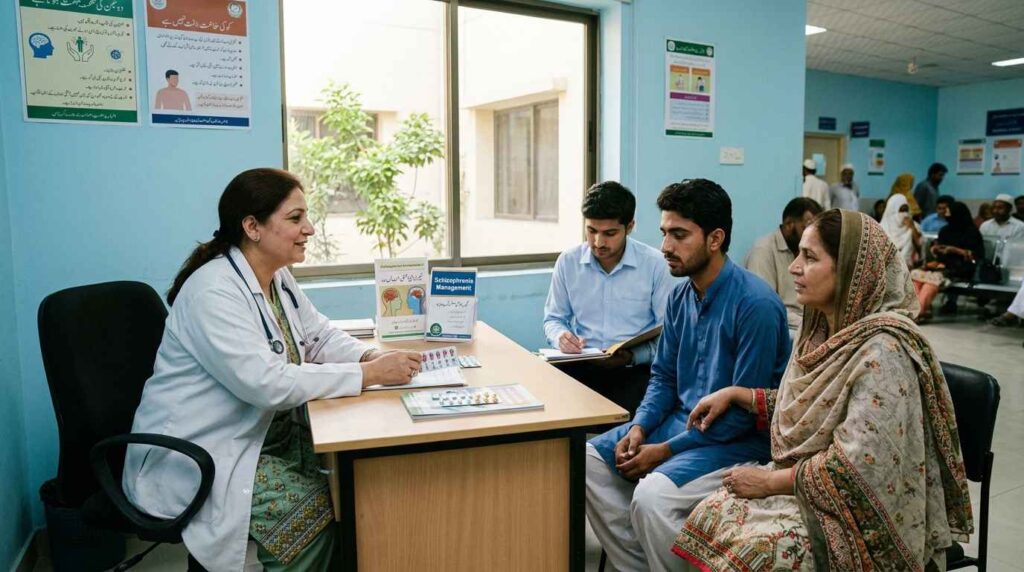
The call usually comes at an odd hour. A brother, a son, a wife has been using for longer than anyone wants to admit, and now something has snapped. The family searches for a 30 day detox program Pakistan with the urgency of people who need a bed today and hope by tomorrow. A month sounds manageable. It fits the leave from work. It feels like enough time to “fix things.” A medically supervised 30-day detox is not a cure. It is a specific, narrow stage of treatment that clears a substance from the body and stabilizes the person medically. For some substances and some people, 30 days is appropriate. For others, it’s dangerously short. This guide tells you what a genuine detox program inside Pakistan actually delivers at the 30-day mark, when it should extend into a 90 day detox program Pakistan, and why centers like Umeed e Shifa Rehab Center have structured their programs the way they have. What a Real 30-Day Detox Actually Does A medical detox is a supervised process of withdrawal management. The body is cleared of the substance under 24-hour monitoring while medications control the acute symptoms. That’s the first 7 to 14 days. After the acute phase, the remaining time in a 30-day program is supposed to begin psychological stabilization. This is where counseling starts, where the person moves from shaking and sweating to sitting in a group session and forming a sentence about what happened. In a well-run facility, the second half of the month introduces basic relapse-prevention skills, family sessions, and a rudimentary aftercare plan. A 30-day detox is the starting block. Not the race. For someone dependent on alcohol, prescription opioids, or benzodiazepines, the medical withdrawal alone can be dangerous without supervision. Seizures, cardiac stress, and severe dehydration are real possibilities. No family should attempt this at home, no matter how many online guides suggest otherwise. When 30 Days Isn’t Enough Here’s the gap most generic advice skips. If the person has been using heavily for years, the psychological pull doesn’t switch off at day 30. Cravings come back hard around day 45 to 60, sometimes later. This is the period when many people discharged after a short detox walk straight back into use, and the family calls it “a failed attempt” when really the treatment duration was never matched to the addiction severity. Dual diagnosis complicates things further. Someone who is opioid-dependent and also has untreated depression or PTSD needs stabilization that a single month simply can’t provide. In these situations, a short program isn’t a solution. It’s a patch that unravels fast. Centers that offer both a 30-day detox and a 90 day detox program Pakistan — like Umeed e Shifa Rehab Center — are structured for this reality. The 30-day track works for milder dependencies and first-time treatment with strong family support. The 90-day track gives the brain enough time to begin rewiring, gives counselors enough sessions to reach the root cause, and gives the family enough space to learn how to support without enabling. If a center only offers a 30-day package and markets it as sufficient for heavy, long-term addiction, question that. The business model is serving turnover, not recovery. The Real Cost Picture Across Pakistan Prices vary sharply based on location, accommodation level, and medical staffing. The numbers below reflect typical ranges observed across private rehabilitation facilities in Punjab, Sindh, and KPK in 2026. Program Type Price Range (PKR) What It Usually Includes Basic 30-day detox (shared room, minimal counseling) 80,000 – 150,000 Medication, basic meals, group sessions, one family meeting Standard 30-day program (private room, daily counseling) 180,000 – 300,000 Private room, individual therapy, psychiatric evaluation, family sessions, aftercare planning Extended 90-day program 300,000 – 600,000 Full medical detox, intensive psychotherapy, dual diagnosis treatment, vocational therapy, structured aftercare These are ballpark figures based on current operational costs at recognized centers. Umeed e Shifa Rehab Center customizes its packages based on medical need rather than selling a fixed menu, which is worth noting. Always request a detailed breakdown before committing. Ask what “counseling” actually means — number of sessions per week, qualifications of the therapist, whether psychiatric oversight is included. Vague answers are a signal to keep looking. How to Separate a Genuine Facility From a Holding Cell The rehabilitation sector in Pakistan remains under-regulated. There are facilities doing ethical, difficult work every day. There are also places that are essentially locked rooms with a prayer schedule and a bucket. Visit before you pay. Walk inside. Look at the sleeping quarters. Ask to see the medication log. Meet the psychiatrist, not just the administrator. A facility that won’t let you inside isn’t protecting privacy — it’s hiding conditions. Licensed practitioners will have documentation you can verify. In Pakistan, look for registration with the Punjab Healthcare Commission or the relevant provincial health authority. Psychiatrists should hold a PMC-verified MBBS with postgraduate specialization. If the facility claims to treat dual diagnosis but has no psychiatrist on staff, the claim is empty. Umeed e Shifa Rehab Center maintains a multidisciplinary team structure that includes medical doctors, clinical psychologists, and addiction counselors under one roof. That integration matters. A detox without psychological follow-through is a medical discharge, not treatment. Seven Questions That Expose the Gaps Use this list when you call any facility for a first conversation. Go through each item. Note what gets a clear answer and what gets a dodge. Save this list. The difference between a facility that welcomes these questions and one that deflects them tells you everything you need to know. What Happens After the 30 Days End This is the piece most families skip planning, and it’s the piece that determines whether the whole effort holds. A person who walks out of a detox program at day 30 is raw. The substances are gone. The coping mechanisms are not yet built. If they walk back into the same room, the same neighborhood, the same social circle that fueled the addiction, the relapse clock starts immediately. The minimum aftercare