drug rehab center

addiction treatment center islamabad
Mental Health Treatment

Drug and Rehabilitation Center: Finding Real Help in 2026

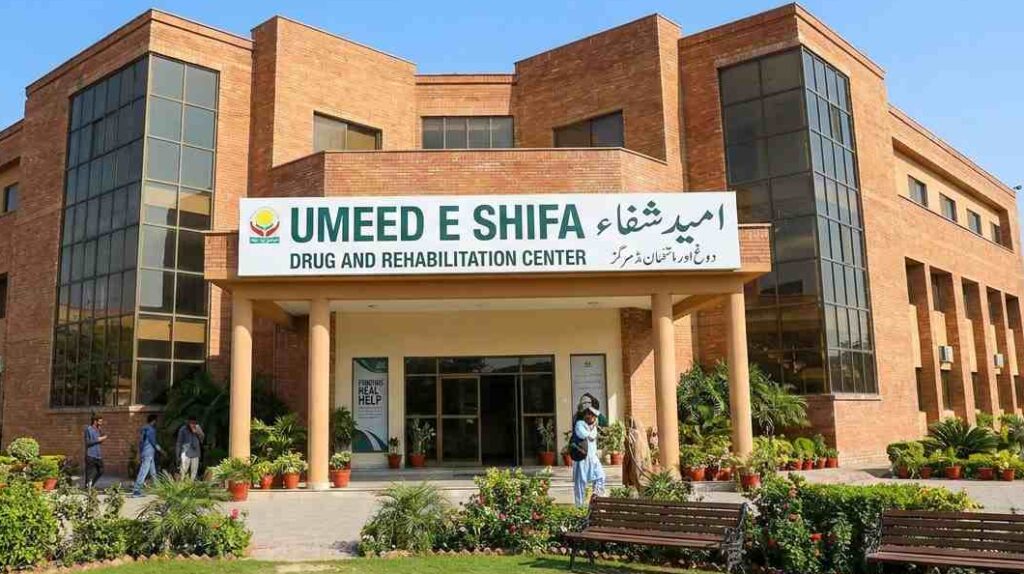
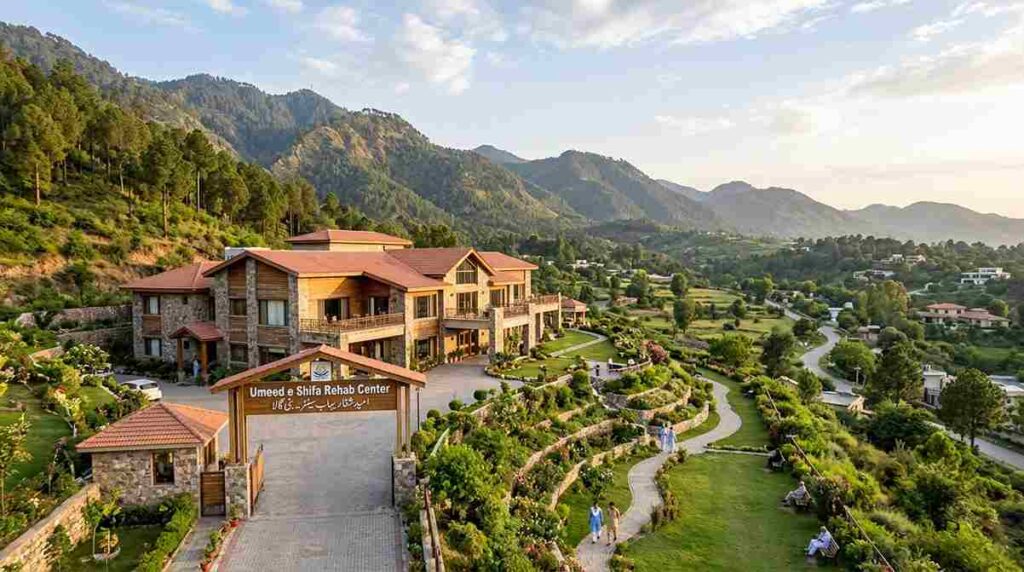
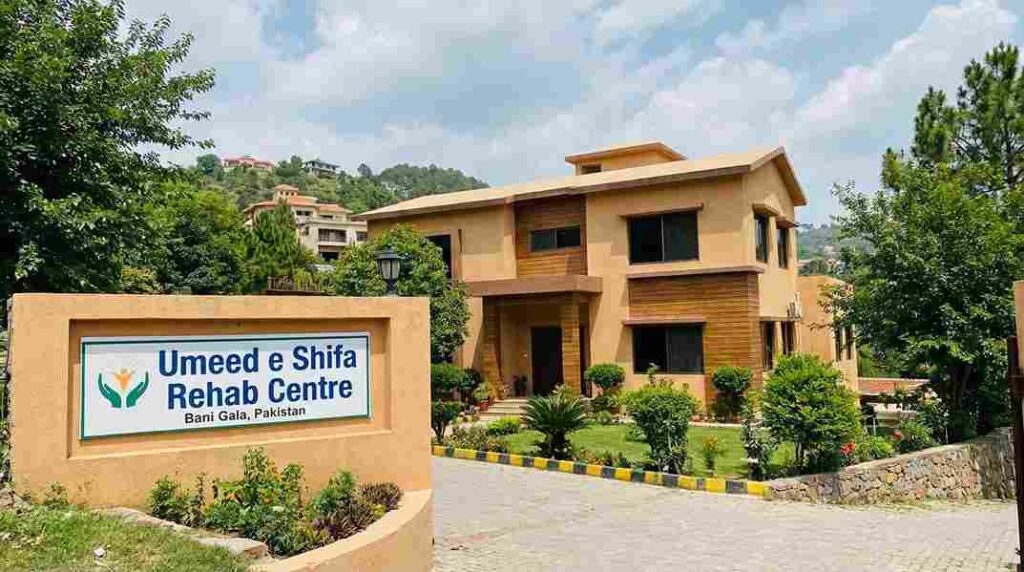
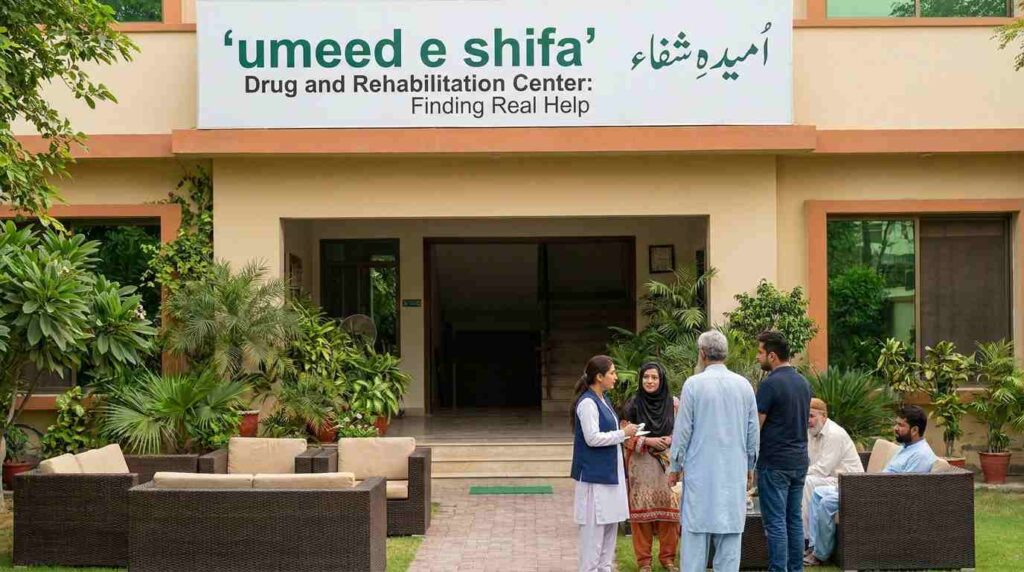
Drug and Rehabilitation Center: What Families and Patients in Pakistan Need to Know Before Choosing One Someone in your family needs help. Or maybe you’re reading this for yourself. Either way, you’re not browsing — you’re looking for a real answer, fast, because the situation is serious and the decisions ahead are consequential. Searching for a drug and rehabilitation center in Pakistan, specifically in Islamabad and the surrounding areas, returns a mix of names, phone numbers, and vague promises. Very little of it tells you what treatment actually involves, what separates a credible center from an inadequate one, or why so many people complete a program and relapse within months. This guide covers all of that — with specific focus on what Umeed e Shifa Rehabilitation Centre provides and how families can make an informed, confident decision rather than a desperate one. What a Drug and Rehabilitation Center Actually Does A drug and rehabilitation center is a clinical facility that provides structured treatment for substance use disorders and co-occurring mental health conditions. Treatment addresses physical dependency through medically supervised detoxification, then addresses the psychological, behavioral, and social factors that drive continued substance use. That second part is where most failed treatment attempts break down. Detox clears the body. It doesn’t address why the person started using, what triggers continued use, or what support structures need to exist for recovery to hold. The World Health Organization classifies substance use disorder as a chronic condition with a relapse rate of 40 to 60 percent — comparable to diabetes or hypertension. That statistic isn’t discouraging. It’s the clinical reason why treatment duration, therapeutic depth, and aftercare planning matter as much as the initial detox. A rehabilitation center that provides only detox and sends patients home is providing incomplete care. Any family evaluating options in Islamabad needs to understand this distinction before making a call. Umeed e Shifa Rehabilitation Centre: What It Offers and Who It Serves Umeed e Shifa Rehabilitation Centre is a private residential treatment facility located in Bani Gala, Islamabad — one of the few centers in the federal capital region offering integrated addiction treatment and mental health rehabilitation under a single clinical framework. The center’s name translates to “Hope of Healing,” and the program reflects that intent through a structured combination of medical detoxification, psychiatric evaluation, individual and group therapy, family counseling, and aftercare planning. What distinguishes Umeed e Shifa from basic detox-only facilities is the dual diagnosis capability — the clinical capacity to identify and treat co-occurring conditions like depression, anxiety, PTSD, and schizophrenia alongside the presenting addiction. This matters clinically because co-occurring disorders are not the exception in addiction cases — they’re the norm. According to the Substance Abuse and Mental Health Services Administration (SAMHSA) 2023 National Survey, more than 50 percent of individuals with a substance use disorder also meet criteria for a co-occurring mental health condition. Centers without psychiatric assessment and treatment capacity are treating half the problem. The Conditions Treated at a Credible Rehab Center in Islamabad Understanding the full range of conditions a quality rehabilitation center addresses helps families recognize whether a facility matches their specific situation. Substance Use and Addiction Treatment Drug addiction treatment in Islamabad at Umeed e Shifa covers opioid addiction — including heroin, prescription painkillers, and tramadol dependency — alongside alcohol addiction treatment, cannabis dependency, stimulant use disorders, and polysubstance cases where multiple substances are involved simultaneously. Opioid addiction treatment in Pakistan requires particular clinical attention because withdrawal from opioids carries specific medical risks that require monitored detoxification protocols rather than cold-turkey approaches managed at home. Alcohol addiction treatment presents its own clinical complexity. Alcohol withdrawal syndrome can cause seizures and life-threatening complications in patients with significant physical dependency. Attempting alcohol detox without medical supervision is genuinely dangerous. Any rehabilitation center handling alcohol cases must have physician oversight during the detox phase — this is a non-negotiable clinical standard, not a premium service. Mental Health Treatment Alongside Addiction Depression treatment, anxiety treatment, PTSD treatment, and schizophrenia treatment are increasingly part of the core service offering at credible rehabilitation centers rather than separate referrals. At Umeed e Shifa, psychiatric evaluation during intake identifies co-occurring conditions and integrates mental health treatment into the rehabilitation program rather than treating it as secondary. For families in Islamabad whose loved one has been struggling with both addiction and what appears to be depression or erratic behavior, this integrated approach addresses the complete clinical picture. Treating only the substance use and discharging the patient back to an untreated depressive episode is a reliable path to relapse. What to Ask Before Enrolling Anyone in a Rehabilitation Center This is the checklist most families never receive before making what is often a rushed decision during a crisis moment. Save this checklist before you make your first call. The quality of answers to these questions tells you more about a center’s clinical seriousness than any website content or promotional material. Why Location Matters: Bani Gala as a Recovery Environment Umeed e Shifa Rehabilitation Centre’s location in Bani Gala, on the quieter outskirts of Islamabad near Rawal Lake, is a deliberate clinical choice rather than an arbitrary address. Recovery from substance use disorder is significantly influenced by environmental factors, particularly in early treatment when neurological vulnerability to relapse triggers is highest. Urban environments — with their existing social networks, drug availability, and familiar stress triggers — actively compete against early recovery. A residential facility located away from a patient’s familiar urban environment removes a meaningful category of relapse risk during the period when clinical support is most available and the patient is most protected. Research published in the Journal of Substance Abuse Treatment consistently shows that residential treatment duration and environmental separation from drug-use environments are among the strongest predictors of sustained recovery. Bani Gala offers the separation without the geographic inaccessibility. Families in Islamabad, Rawalpindi, and surrounding areas can visit regularly, participate in family therapy sessions, and remain part of the treatment process without the patient being unreachably

Mental Health Treatment Pakistan: The Honest 2026 Guide
Mental Health Treatment

Mental Health Treatment Pakistan: The Honest 2026 Guide

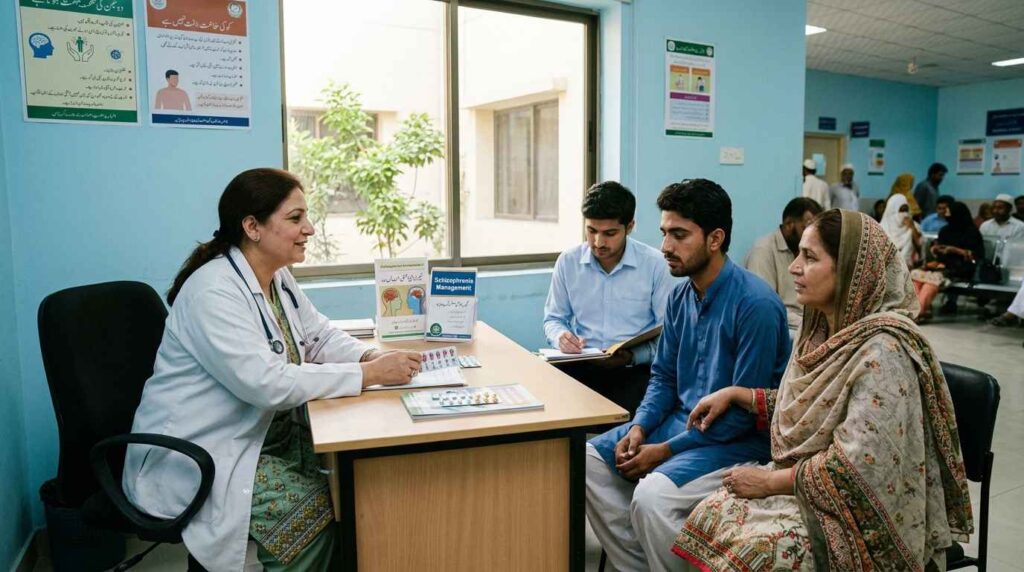
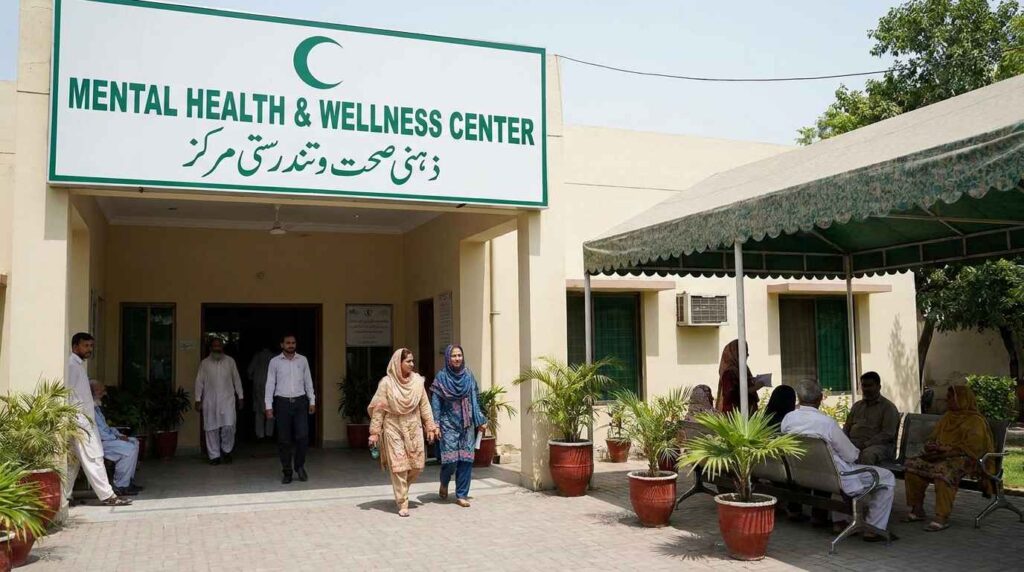
Why mental health treatment in Pakistan looks different than what families expect Most families searching for mental health treatment in Pakistan are not researchers. They’re a mother who hasn’t slept in three nights, a brother watching addiction take over, or a young professional who finally admitted something is wrong. The system they’re about to enter is fragmented — and nobody hands them a map. Pakistan has an estimated 24 million people living with a mental health condition (Pakistan Association for Mental Health, 2023 estimate). Yet the country has fewer than 500 trained psychiatrists across both public and private sectors. That mismatch shapes everything: wait times, quality, cost, and what “treatment” actually means once you walk through the door. This guide is written for families in Islamabad, Rawalpindi, and across Pakistan who need clear answers — not brochures. What does mental health treatment in Pakistan actually include? Mental health treatment in Pakistan is the structured care of psychiatric, psychological, and behavioral conditions through a combination of medication, talk therapy, rehabilitation, and family support. Real treatment is rarely just a prescription. A credible program includes: If a center skips three or more of these, you’re looking at a holding facility, not a treatment program. Public vs. private mental health care in Pakistan: the honest comparison The decision most families face isn’t which hospital — it’s which type of system. The trade-offs are real. Factor Public Hospitals (PIMH, IoP Rawalpindi) Licensed Private Centers (Islamabad) Cost Free or nominal (PKR 50–500 OPD) PKR 150,000–600,000/month inpatient Wait time for admission Days to weeks Usually same-day to 48 hours Bed availability Often over-capacity Limited but managed Family involvement Minimal Structured family sessions Privacy Shared wards Private or semi-private rooms Aftercare Variable Written plan standard Best for Acute stabilization, low-income families Mid-to-long-term recovery, dignity, dual diagnosis Public hospitals save lives every day. They also work at scale that no private center can match. But for a family that wants therapy in addition to medication, structured family work, and a real discharge plan, a licensed private rehab is usually the better fit — if the budget allows. How much does mental health treatment cost in Pakistan? Costs vary widely. Here’s what families in Islamabad and Rawalpindi typically pay in 2026: Service Typical Cost Range (PKR) Psychiatrist consultation (private) 3,000 – 8,000 per session Clinical psychologist session 2,500 – 6,000 per session Inpatient psychiatric care (private, monthly) 150,000 – 600,000 Inpatient rehab (addiction + psychiatric, monthly) 200,000 – 700,000 Public hospital OPD 50 – 500 Public hospital inpatient Free to nominal Pricing changes. Verify current rates on the official website of any center before committing. The Sehat Sahulat Program now covers some psychiatric admissions in empaneled hospitals — a meaningful 2024–2025 expansion — but most private rehab remains self-pay. Choosing a rehabilitation center in Islamabad: what to actually check Bani Gala and surrounding areas of Islamabad have become a hub for licensed private rehabilitation, partly because of the quieter setting and proximity to specialists. If you’re evaluating a center, ask these questions before you sign anything: A short note worth bookmarking: walk the facility yourself. Photos lie. Smell, lighting, staff body language, and how patients are spoken to in the hallway tell you more than any brochure. When forced admission is legal in Pakistan — and when it isn’t Involuntary admission is allowed under provincial mental health legislation (Sindh Mental Health Act 2013, Punjab Mental Health Act 2014, and ICT-applicable ordinance) when a person poses a clear risk to themselves or others, or cannot make treatment decisions due to severe illness. Two qualified psychiatrists must typically certify the admission, and the patient has the right to review. This matters. Families sometimes admit a loved one in panic without the legal paperwork, then face complications later. A reputable center will walk you through this process formally — not informally. Pros and cons of inpatient rehabilitation in Pakistan Pros: Cons: The honest read: inpatient works best for moderate-to-severe cases, addiction with relapse history, or when the home environment itself is part of the illness. For mild-to-moderate depression and anxiety, outpatient therapy plus medication is usually equally effective and far cheaper. Aftercare: the part most Pakistani centers skip Six months after discharge is when relapse risk is highest. A solid aftercare program includes weekly outpatient sessions for the first month, a step-down to fortnightly, family check-ins, medication reviews every 4–6 weeks, and a written crisis plan with phone numbers. If the center you’re considering can’t show you a sample aftercare plan in writing, treat that as a serious red flag. This is the single biggest gap in Pakistani mental healthcare — and the one differentiator that separates a recovery program from a holding facility. Stigma, privacy, and protecting the family Pakistani families carry a real social cost when seeking psychiatric care. Confidentiality should be contractual, not a verbal promise. Ask the center directly: who has access to records, what is shared with referring doctors, and what their data policy is. Licensed centers in Islamabad operate under PHC and IHRA confidentiality standards — but enforcement depends on the center’s own culture. A practical tip families rarely think about: admit under the patient’s CNIC name only, not extended family identifiers, and keep visitor logs limited to immediate family. Final word Mental health treatment in Pakistan in 2026 is more accessible than it was five years ago — but the gap between a good center and a bad one is wider than ever. The families who get the best outcomes are the ones who ask hard questions, visit before admitting, and choose a program that treats the person, not just the symptoms. If someone you love is struggling, the next step isn’t to read another article. Walk into a licensed center this week, sit with the clinical team, and trust what you see with your own eyes. FAQ Section 1. Is mental health treatment free in Pakistan? Public hospitals like PIMH Lahore and the Institute of Psychiatry Rawalpindi offer free or nominal-cost treatment, including

Addiction Treatment Center Islamabad
Uncategorized

Addiction Treatment Center Islamabad: The Real Guide 2026

Someone you care about needs help. Or maybe you’re searching for yourself, which is harder. Either way, you’ve opened this page because the situation is real and the decisions matter. Searching for an addiction treatment center in Islamabad produces a list of names and phone numbers. What it doesn’t produce is clarity on what treatment actually involves, how to tell a credible center from a problematic one, what the realistic cost is, or why so many people complete a program and relapse within three months. This guide answers all of that. No directory listings. No promotional framing. Just the clinical and practical information a family needs to make a decision they can trust. What Addiction Treatment Actually Involves — Not What Most Centers Advertise Addiction treatment is not a single event. It’s a clinical process that typically unfolds across four distinct phases each one necessary, each one often misrepresented in how centers market themselves. The first phase is medical detoxification. This is the supervised withdrawal from substances managed by clinical staff to prevent dangerous complications including seizures in alcohol dependency cases or severe respiratory distress in opioid withdrawal. Detox is not treatment. It’s the medical stabilization that makes treatment possible. A center that presents detox as its primary offering is selling the beginning of the process as if it’s the whole thing. After stabilization comes residential rehabilitation the structured daily program of individual therapy, group sessions, psychiatric evaluation, skill-building, and relapse prevention education. This is where the actual work happens. For most patients with moderate to severe dependency, a minimum of 30 days residential is necessary. Sixty to ninety days produces significantly better outcomes for complex cases involving long-term use or co-occurring mental health conditions. The third phase often called continuing care or step-down moves the patient from residential to outpatient support. Structured group sessions, individual therapy appointments, and medication management if needed. This phase is where most Islamabad-area centers fall short. Many discharge patients with a sheet of instructions and nothing else. Aftercare is the fourth phase and the most ignored. Regular check-ins, family sessions, peer support group connection, and relapse response planning. According to the World Health Organization’s 2022 Global Status Report on Alcohol and Health, substance use disorders have a relapse rate of 40 to 60 percent — comparable to other chronic conditions like hypertension. The centers that take aftercare seriously are the ones whose patients have a real chance at sustained recovery. The Dual Diagnosis Reality Nobody Is Talking About Most addiction cases in Islamabad and across Pakistan involve an underlying mental health condition that drove or worsened substance use. Depression. Anxiety disorders. Unprocessed trauma. Untreated PTSD. Dual diagnosis is the clinical term for a patient presenting with both a substance use disorder and a co-occurring psychiatric condition simultaneously. It’s not a rare edge case. Clinical observation across addiction medicine consistently places the figure at 50 percent or higher in residential treatment populations. The problem is straightforward: a center that treats the addiction without addressing the underlying mental health condition is treating the symptom. The patient gets clean, goes home, and the depression or trauma that drove the substance use is still there unaddressed waiting. That’s the mechanism behind most relapses. Before contacting any addiction treatment center in Islamabad, ask one direct question: do you have a licensed psychiatrist on staff or on regular rotation? If the answer is no, or evasive, you are looking at a center that cannot provide dual diagnosis treatment. For a patient with any history of depression, anxiety, or trauma which covers most cases that’s a deal-breaker. What to Actually Look For in an Islamabad Addiction Treatment Center Reputation and word of mouth matter, but they’re not sufficient filters. Here’s what the clinical evaluation looks like. Medical Staff Qualifications A credible center has a licensed psychiatrist involved in clinical care not just administration. It has trained addiction counselors or psychologists delivering therapy. It has nursing staff capable of managing medical detox safely. Ask for the clinical team’s qualifications directly. A center that won’t share this information is telling you something important. Program Structure The program should have a written, day-by-day structure covering therapeutic activities, medical check-ins, family involvement, and group sessions. Vague answers about “a structured program” without specifics are a warning sign. Specifically ask: how many hours per day of structured therapeutic activity? What modalities are used cognitive behavioral therapy, motivational interviewing, 12-step, other? What does a typical week look like? Discharge and Aftercare Planning Ask this question before admission, not at discharge: what happens on the day my family member leaves? A credible center begins discharge planning from the first week. It connects patients with outpatient follow-up, peer support, and a clear relapse response protocol before they walk out the door. Family Involvement Addiction affects family systems, not just individuals. Centers that exclude families from the treatment process beyond a brief family day are operating below clinical best practice. Family therapy, structured communication sessions, and education for family members about supporting recovery are markers of a serious program. Warning Signs That Should Make You Walk Away Not every facility offering addiction treatment in Islamabad operates at a standard that protects patients. Some warning signs are subtle. Others are direct. Walk away from any center that: That last point deserves emphasis. A center with no aftercare plan is clinically incomplete regardless of how good the residential program is. Types of Treatment Settings Available in Islamabad and Rawalpindi Not every patient needs full residential admission. The right level of care depends on dependency severity, co-occurring conditions, home environment, and previous treatment history. Residential treatment is the most intensive option and appropriate for patients with severe dependency, a history of failed outpatient treatment, a home environment that triggers continued use, or conditions requiring medical detox supervision. Outpatient programs work for patients in earlier stages of dependency with strong home support and no co-occurring psychiatric conditions requiring close monitoring. These involve regular clinic visits typically three to five times per week without

Scroll to Top