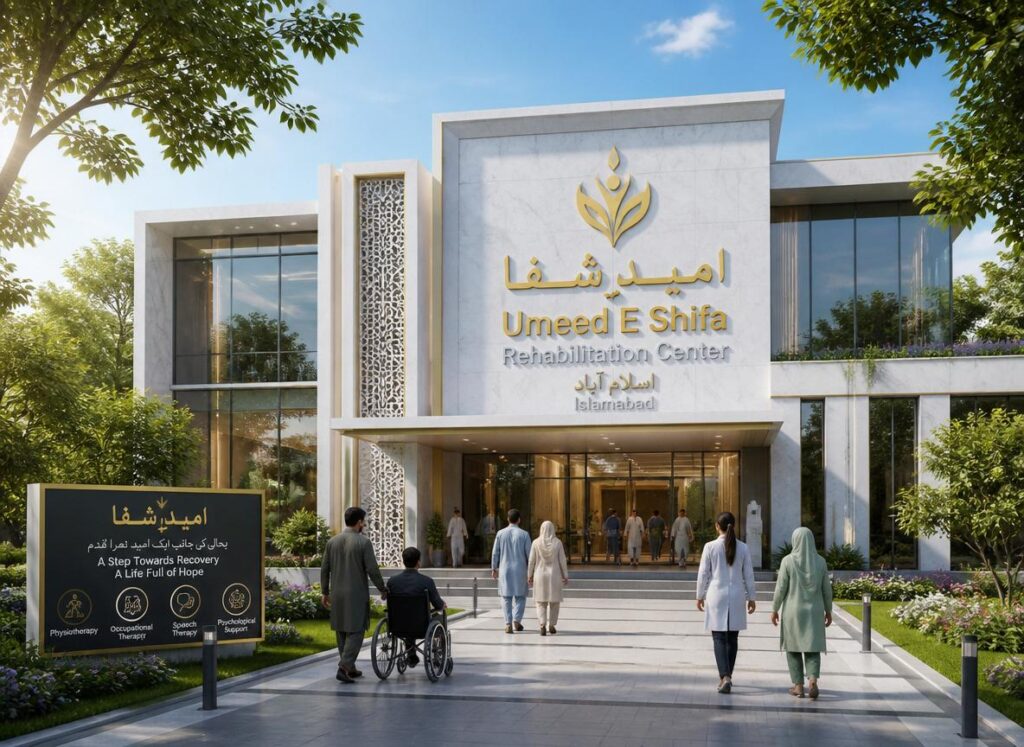

Depression Treatment Center Islamabad | 2026 Guide
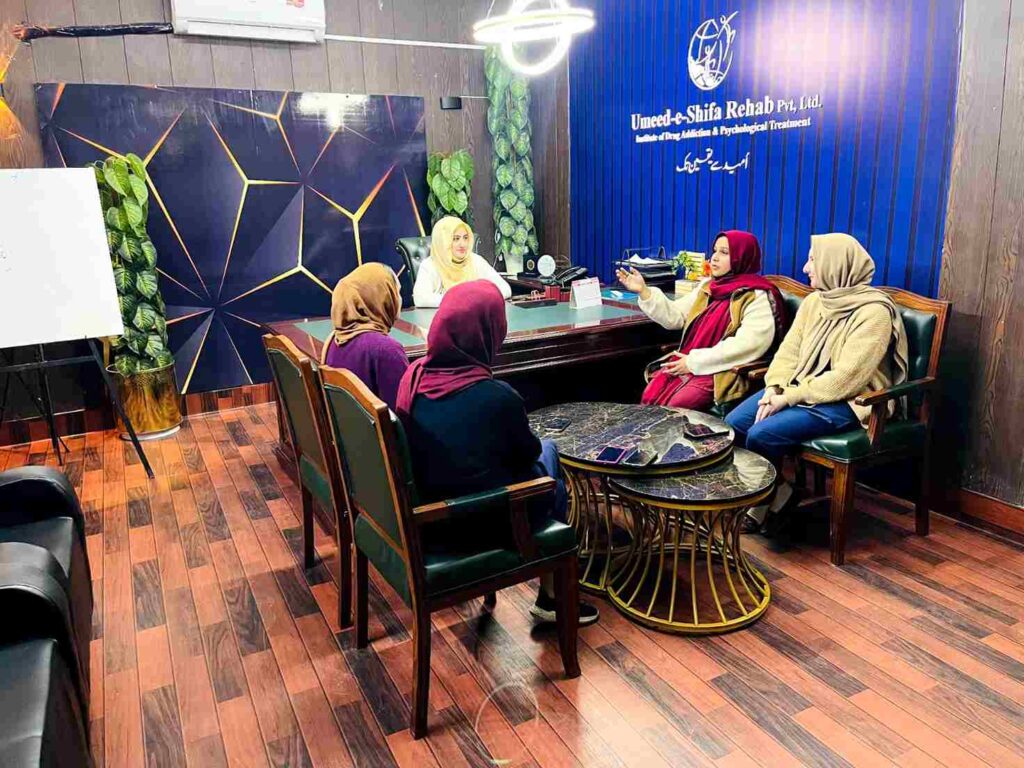
Most people looking for a depression treatment center in Islamabad aren’t researching calmly. They’re doing it at 1 a.m. after a bad week, or on behalf of a sibling who won’t leave their room, or right after a doctor mentioned the word “psychiatric” for the first time. That search usually turns up a list of clinics with near-identical taglines and no real way to tell them apart. This guide skips the marketing language and tells you what actually separates a functioning treatment program from a waiting room with a nice logo, including cost, staffing, what “residential care” really involves, and when outpatient therapy simply isn’t enough. What Does a Depression Treatment Center in Islamabad Actually Do? A depression treatment center is a facility that combines psychiatric assessment, medication management, and structured therapy to treat clinical depression rather than everyday low mood. In Islamabad, this ranges from single-psychiatrist private clinics offering 20-minute consultations to full residential facilities with round-the-clock nursing staff. The distinction matters more than most websites admit. A clinic can diagnose depression and prescribe an antidepressant. It cannot, in most cases, manage a patient who is non-functional, suicidal, or dealing with depression alongside substance use, that requires a facility built for sustained, supervised care, not a 20-minute slot between other patients. How Common Is Depression in Islamabad, and Why That Changes Your Search Depression in Pakistan is not a niche problem. It’s a majority-experience mental health issue in some populations. The National Psychiatric Morbidity Survey of Pakistan (2022) found a national depressive disorder prevalence of 17.8%, alongside a combined weighted prevalence of 35.7% for current depressive, neurotic, and stress-related disorders overall. The survey’s authors noted these figures sit below some earlier regional estimates, which ranged as high as 60% depending on methodology. What that means practically: if you’re searching for treatment, you’re one of a very large number of people doing the same thing right now, and the system is stretched. The same national survey pointed out that Pakistan’s actual prevalence is higher than the WHO EMRO region’s country profile estimate of 10–16% mild-to-moderate psychiatric illness, which tells you the demand for real treatment capacity outpaces what’s officially planned for. In a city like Islamabad, that shows up as long waitlists at public hospitals and a private sector that varies wildly in quality. Types of Depression Care Available in Islamabad Not every depression case needs the same intensity of care. Matching the format to the severity is the single biggest decision point in this search. Outpatient Counseling and Psychiatry This is weekly or biweekly therapy plus periodic psychiatric review, usually for mild to moderate depression where the person is still working, studying, or managing daily responsibilities. It’s the right starting point for a first-time diagnosis with no safety risk. Residential and Day-Treatment Rehabilitation This is a structured, live-in or extended day program with psychiatrists, clinical psychologists, and medical staff on-site, built for depression that’s severe, treatment-resistant, tied to a co-occurring substance use disorder, or has progressed to the point where the person can’t function independently. Family involvement, relapse prevention planning, and detox support (if addiction is involved) are usually part of the program rather than optional add-ons. Care Type Best For Typical Staff On-Site Typical Commitment Outpatient therapy Mild-moderate depression, first diagnosis, still functional Psychologist, periodic psychiatrist review 1–2 sessions/week Day treatment Moderate depression, needs structure but can go home Psychologist, psychiatrist, nursing Several hours/day Residential rehabilitation Severe depression, dual diagnosis, safety concerns Psychiatrist, medical doctor, clinical psychologists, 24/7 staff Weeks to months If your first stop was a general physician who prescribed medication and told you to “see how it goes,” and it’s been three months with no real change, that’s usually the signal to move up a level rather than stay put. What to Look For Before You Choose a Center Use this checklist before committing to any facility, not just the one at the top of a Google search: If a facility can’t answer items 1, 2, and 5 clearly and immediately, that’s a legitimate reason to keep looking, regardless of how polished its website looks. Inside Umeed-e-Shifa’s Approach to Depression Treatment in Bani Gala Umeed-e-Shifa Rehabilitation Center, based in Bani Gala, Islamabad, was established in 2020 and treats both psychological conditions and substance use disorders under one roof rather than as separate tracks. That structure matters for depression specifically, because a meaningful share of the cases that arrive at rehabilitation facilities involve depression sitting alongside addiction, treating one without the other tends to produce short-lived results. Dual-Diagnosis and Individualized Planning The center’s clinical team includes psychiatrists, medical doctors, and clinical psychologists working from individualized treatment plans rather than a single fixed program for every patient. In practice, this is the difference between a facility that treats “depression” as a checkbox and one that adjusts the plan for a patient whose depression is post-partum, trauma-linked, substance-related, or treatment-resistant, each of which responds to a different combination of therapy and medication. Family Involvement as Part of Treatment, Not an Afterthought Families are brought into the process directly, trained to support the patient during treatment and equipped to manage their own stress once the person returns home. This is one of the more consistently under-delivered parts of depression care in Pakistan, where stigma often keeps families at arm’s length from the clinical process entirely. The center also runs 24/7 emergency coverage, which matters disproportionately for depression cases where risk can escalate outside normal clinic hours. Bookmark this section if you’re comparing facilities, it’s the shortlist of questions worth asking any center you’re evaluating, including this one. Cost of Depression Treatment in Islamabad in 2026 Pricing is where most comparisons fall apart, because “depression treatment” covers everything from a single consultation to a multi-week residential stay. Service Type Approximate Monthly Cost (PKR) What’s Usually Included Outpatient psychiatric consultation 3,000 – 5,000 per visit Assessment, prescription review Standard residential/rehab care ~100,000+ Boarding, meals, basic counseling Premium residential care (Bani Gala tier) 250,000 – 500,000 Boarding, individualized therapy, medical monitoring,