
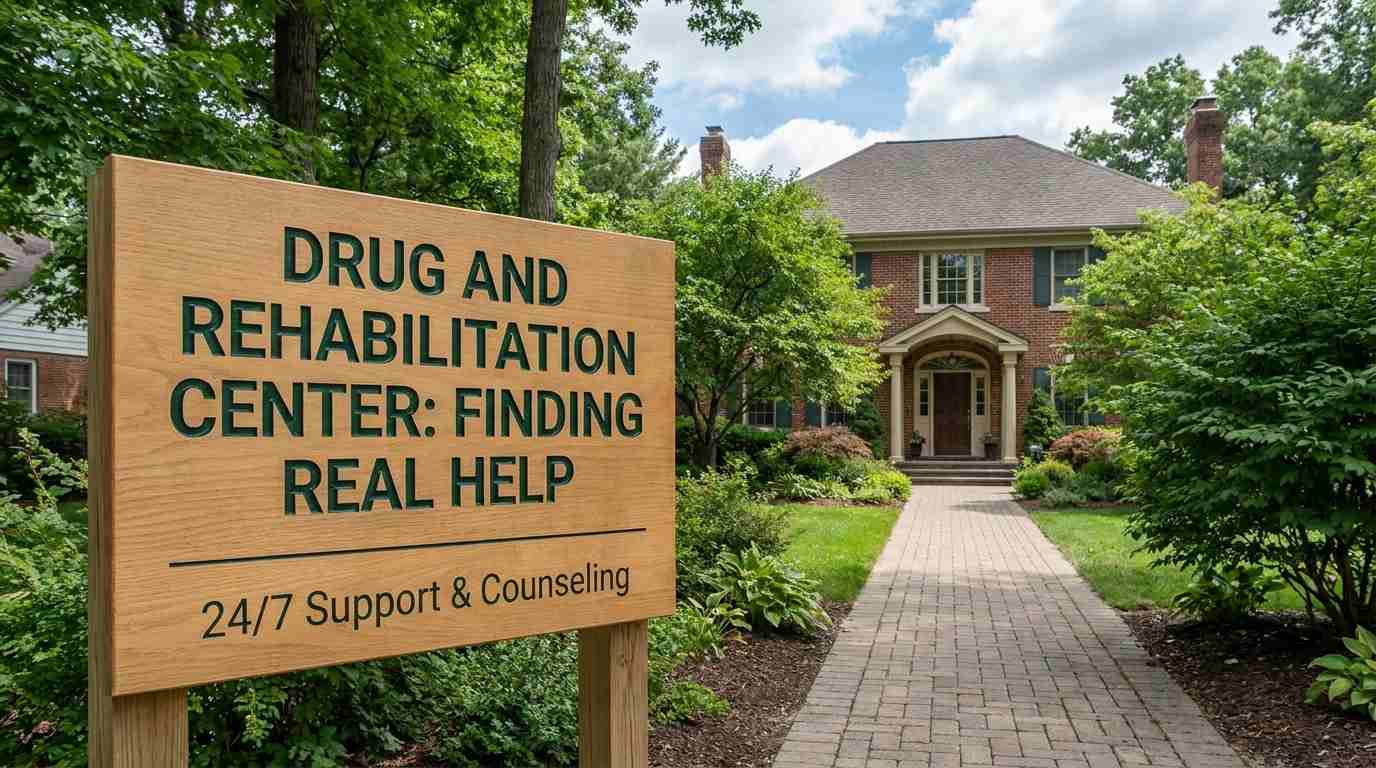
Drug and Rehabilitation Center: What Families and Patients in Pakistan Need to Know Before Choosing One
Someone in your family needs help. Or maybe you’re reading this for yourself. Either way, you’re not browsing — you’re looking for a real answer, fast, because the situation is serious and the decisions ahead are consequential.
Searching for a drug and rehabilitation center in Pakistan, specifically in Islamabad and the surrounding areas, returns a mix of names, phone numbers, and vague promises. Very little of it tells you what treatment actually involves, what separates a credible center from an inadequate one, or why so many people complete a program and relapse within months. This guide covers all of that — with specific focus on what Umeed e Shifa Rehabilitation Centre provides and how families can make an informed, confident decision rather than a desperate one.
What a Drug and Rehabilitation Center Actually Does
A drug and rehabilitation center is a clinical facility that provides structured treatment for substance use disorders and co-occurring mental health conditions. Treatment addresses physical dependency through medically supervised detoxification, then addresses the psychological, behavioral, and social factors that drive continued substance use.
That second part is where most failed treatment attempts break down. Detox clears the body. It doesn’t address why the person started using, what triggers continued use, or what support structures need to exist for recovery to hold. The World Health Organization classifies substance use disorder as a chronic condition with a relapse rate of 40 to 60 percent — comparable to diabetes or hypertension. That statistic isn’t discouraging. It’s the clinical reason why treatment duration, therapeutic depth, and aftercare planning matter as much as the initial detox.
A rehabilitation center that provides only detox and sends patients home is providing incomplete care. Any family evaluating options in Islamabad needs to understand this distinction before making a call.
Umeed e Shifa Rehabilitation Centre: What It Offers and Who It Serves
Umeed e Shifa Rehabilitation Centre is a private residential treatment facility located in Bani Gala, Islamabad — one of the few centers in the federal capital region offering integrated addiction treatment and mental health rehabilitation under a single clinical framework.
The center’s name translates to “Hope of Healing,” and the program reflects that intent through a structured combination of medical detoxification, psychiatric evaluation, individual and group therapy, family counseling, and aftercare planning. What distinguishes Umeed e Shifa from basic detox-only facilities is the dual diagnosis capability — the clinical capacity to identify and treat co-occurring conditions like depression, anxiety, PTSD, and schizophrenia alongside the presenting addiction.
This matters clinically because co-occurring disorders are not the exception in addiction cases — they’re the norm. According to the Substance Abuse and Mental Health Services Administration (SAMHSA) 2023 National Survey, more than 50 percent of individuals with a substance use disorder also meet criteria for a co-occurring mental health condition. Centers without psychiatric assessment and treatment capacity are treating half the problem.
The Conditions Treated at a Credible Rehab Center in Islamabad
Understanding the full range of conditions a quality rehabilitation center addresses helps families recognize whether a facility matches their specific situation.
Substance Use and Addiction Treatment
Drug addiction treatment in Islamabad at Umeed e Shifa covers opioid addiction — including heroin, prescription painkillers, and tramadol dependency — alongside alcohol addiction treatment, cannabis dependency, stimulant use disorders, and polysubstance cases where multiple substances are involved simultaneously. Opioid addiction treatment in Pakistan requires particular clinical attention because withdrawal from opioids carries specific medical risks that require monitored detoxification protocols rather than cold-turkey approaches managed at home.
Alcohol addiction treatment presents its own clinical complexity. Alcohol withdrawal syndrome can cause seizures and life-threatening complications in patients with significant physical dependency. Attempting alcohol detox without medical supervision is genuinely dangerous. Any rehabilitation center handling alcohol cases must have physician oversight during the detox phase — this is a non-negotiable clinical standard, not a premium service.
Mental Health Treatment Alongside Addiction
Depression treatment, anxiety treatment, PTSD treatment, and schizophrenia treatment are increasingly part of the core service offering at credible rehabilitation centers rather than separate referrals. At Umeed e Shifa, psychiatric evaluation during intake identifies co-occurring conditions and integrates mental health treatment into the rehabilitation program rather than treating it as secondary.
For families in Islamabad whose loved one has been struggling with both addiction and what appears to be depression or erratic behavior, this integrated approach addresses the complete clinical picture. Treating only the substance use and discharging the patient back to an untreated depressive episode is a reliable path to relapse.
What to Ask Before Enrolling Anyone in a Rehabilitation Center
This is the checklist most families never receive before making what is often a rushed decision during a crisis moment.
- Is there a licensed psychiatrist on staff, not just a counselor?
- Does the center conduct a formal dual diagnosis assessment at intake?
- What is the specific medical protocol for detoxification — particularly for opioids or alcohol?
- How are family members involved in the treatment process?
- What does the discharge plan include, and how is aftercare structured?
- Is the facility registered with Pakistan’s relevant health regulatory authorities?
- What are the visitor and communication policies during residential treatment?
- Can the center provide references or testimonials from former patients or families?
- What happens if a patient’s mental health deteriorates significantly during treatment?
- What is the full cost structure, and what does it include or exclude?
Save this checklist before you make your first call. The quality of answers to these questions tells you more about a center’s clinical seriousness than any website content or promotional material.
Why Location Matters: Bani Gala as a Recovery Environment
Umeed e Shifa Rehabilitation Centre’s location in Bani Gala, on the quieter outskirts of Islamabad near Rawal Lake, is a deliberate clinical choice rather than an arbitrary address. Recovery from substance use disorder is significantly influenced by environmental factors, particularly in early treatment when neurological vulnerability to relapse triggers is highest.
Urban environments — with their existing social networks, drug availability, and familiar stress triggers — actively compete against early recovery. A residential facility located away from a patient’s familiar urban environment removes a meaningful category of relapse risk during the period when clinical support is most available and the patient is most protected. Research published in the Journal of Substance Abuse Treatment consistently shows that residential treatment duration and environmental separation from drug-use environments are among the strongest predictors of sustained recovery.
Bani Gala offers the separation without the geographic inaccessibility. Families in Islamabad, Rawalpindi, and surrounding areas can visit regularly, participate in family therapy sessions, and remain part of the treatment process without the patient being unreachably distant.
The Honest Reality of Addiction Treatment in Pakistan
Pakistan’s rehabilitation sector has grown meaningfully in the last five years. The Anti-Narcotics Force Pakistan reported in its 2024 annual statistics that demand for formal rehabilitation services increased by over 30 percent compared to 2021 figures, driven partly by increased opioid availability and partly by growing family willingness to seek formal help rather than managing addiction privately.
That growth has produced a range of facility quality. Some centers operate with genuine clinical depth, qualified staff, and evidence-based treatment protocols. Others operate as basic residential facilities with minimal clinical oversight, where detox happens and little else does. The distinction isn’t always obvious from marketing materials.
The single most reliable differentiator is psychiatric staffing. A rehabilitation center without a licensed psychiatrist conducting intake assessments and managing co-occurring conditions is a facility where clinical gaps will predictably lead to incomplete treatment outcomes. Ask directly. If the answer is vague or the center cannot name their psychiatric staff, that’s the answer.
What Happens After Discharge: The Aftercare Reality
Most treatment failures happen after discharge, not during residential treatment. This is the part of the process that receives the least attention in most facility marketing and the most attention from families dealing with relapse.
Effective aftercare includes structured outpatient follow-up sessions, continued psychiatric care where relevant, family support groups, community-based recovery networks, and a documented relapse prevention plan that the patient and family both understand before the patient leaves residential care. At Umeed e Shifa, discharge planning begins before the end of the residential phase — not on the final day.
Families should ask specifically what the first 90 days post-discharge look like. That period carries the highest relapse risk, and the quality of support during those 90 days is as clinically significant as the residential program that preceded it.
Making the Decision: What the Right Rehabilitation Center Looks Like
The right drug and rehabilitation center for a patient in Islamabad or the wider Pakistan region is the one that matches clinical capability to clinical need. Not the closest facility, not the cheapest, and not necessarily the most expensive.
For patients with opioid or alcohol dependency requiring medically supervised detox, psychiatric co-occurring conditions, or a history of previous treatment without durable results — a facility like Umeed e Shifa with integrated psychiatric care and residential depth provides the right clinical match. For patients with milder dependency and strong family support, outpatient options may be sufficient, though professional assessment should determine that, not a family assumption.
If you’re at the point of searching, the most useful next step is a direct consultation with a clinician — not a sales call. Umeed e Shifa offers family consultation to help families understand what level of care the situation requires before any enrollment decision is made. Verify current availability, pricing, and program details directly with the center, as these change with program updates.
Recovery is not a guarantee in any clinical setting. But the gap between adequate treatment and inadequate treatment is real, measurable, and consequential. Getting the facility choice right is the first clinical decision.
FAQ
What is Umeed e Shifa Rehabilitation Centre? Umeed e Shifa Rehabilitation Centre is a private residential drug and mental health rehabilitation facility located in Bani Gala, Islamabad. It provides integrated addiction treatment and psychiatric care, including detoxification, dual diagnosis assessment, individual and group therapy, family counseling, and structured aftercare planning for patients across Pakistan.
What conditions does Umeed e Shifa treat? The center treats opioid addiction, alcohol dependency, cannabis and stimulant use disorders, polysubstance cases, and co-occurring mental health conditions including depression, anxiety, PTSD, and schizophrenia. The dual diagnosis framework means addiction and mental health conditions are treated simultaneously rather than sequentially.
How long does rehabilitation treatment take at a center in Islamabad? Treatment duration depends on clinical need. Detoxification typically takes 7 to 21 days depending on substance and dependency severity. Full residential rehabilitation programs range from 30 to 90 days. Patients with co-occurring mental health conditions or a history of relapse after previous treatment benefit from longer residential stays. Verify current program durations directly with Umeed e Shifa.
What is the cost of rehabilitation at Umeed e Shifa? Pricing varies based on program length, level of care, and individual clinical requirements. Verify current fee structures directly with the center before making any enrollment decision, as pricing changes with program updates.
What should families expect during a loved one’s residential treatment? Families can expect an intake assessment, a treatment plan, structured family counseling sessions, regular communication protocols, and a discharge planning process that begins before the patient leaves residential care. The best facilities include family in the treatment process rather than treating the patient in isolation. Ask specifically about family involvement before enrollment.