
Rehabilitation Center in Islamabad: Expert Guide 2026
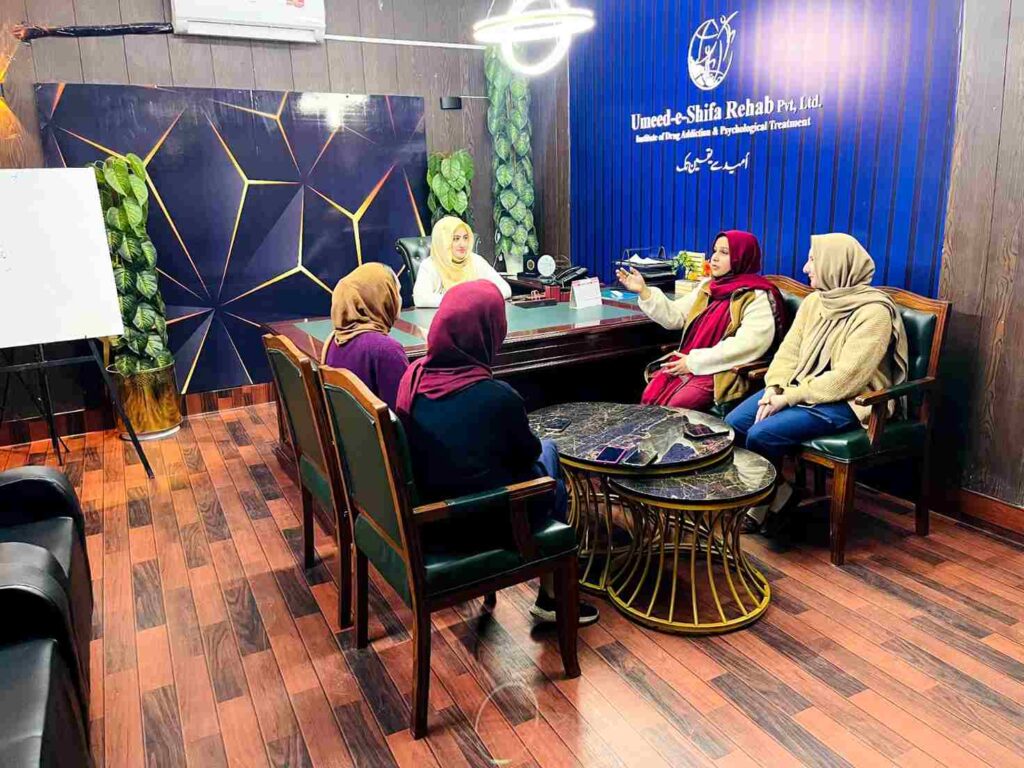
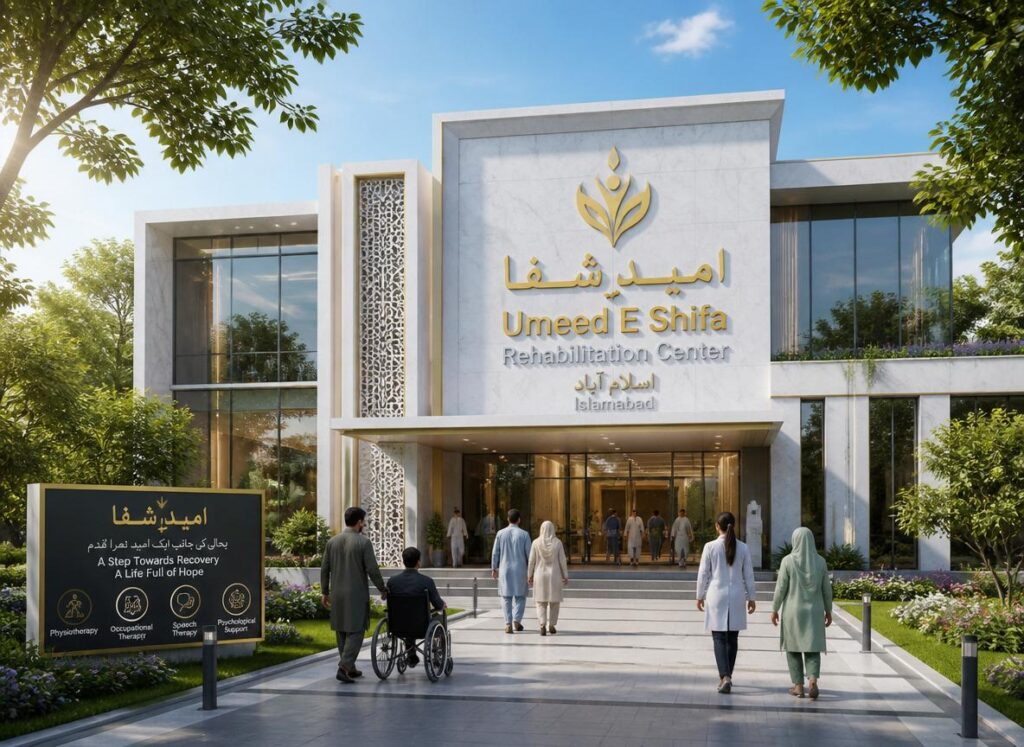
When a family in Islamabad realizes someone they love has a serious addiction problem, the first instinct is speed. Find a center. Admit them. Hope for the best. That urgency is understandable. It’s also the reason many families end up choosing the wrong rehabilitation center and watching their loved one relapse within months of discharge. Pakistan’s Ministry of Narcotics Control acknowledged in its rehabilitation framework that most public-sector treatment facilities provide detoxification only, with no actual rehabilitation program attached. The private sector is better but uneven. Knowing how to read that unevenness is what this guide is for. A rehabilitation center in Islamabad is not a hotel with therapy sessions. It’s a clinical environment where psychiatric evaluation, medical detoxification, behavioral therapy, and family intervention work as a single integrated system. When any one of those pieces is missing, recovery becomes fragile. Why Most Rehabilitation Centers in Islamabad Fail Their Patients The failure isn’t always visible upfront. Centers look professional. Staff seem qualified. Brochures list services. But a closer look at how those services connect, or don’t, reveals the real picture. A multi-site research study published in PubMed, based on patients admitted to rehabilitation centers in Islamabad and Rawalpindi, found that 46% of addicted patients had comorbid depression. That means nearly half of every center’s patient population needs active psychiatric treatment alongside addiction recovery. The majority of centers in Islamabad treat addiction. Few simultaneously treat the psychiatric conditions driving it. This is the core gap. Family disputes and peer pressure were the most common reasons for initiation of substance abuse, and a significant fraction of patients reported comorbid depression. When depression goes untreated during rehabilitation, it becomes the engine of relapse the moment structure ends and real life resumes. The Detox-Only Trap Detoxification is the process of clearing substances from the body under medical supervision. It is necessary. It is not sufficient. In Pakistan, the majority of existing treatment and rehabilitation facilities provide detoxification services only, particularly in the public sector, and no rehabilitation programmes exist. Families who don’t know this distinction pay for a full rehabilitation program and receive extended detoxification. The patient leaves physically clean but psychologically unchanged. The Counselor Credential Problem Pakistan has no standardized licensing requirement for addiction counselors. The word “counselor” is applied loosely across the industry. A qualified clinical psychologist holds at minimum an M.Phil in Clinical Psychology and is registered with the Pakistan Medical and Dental Council or the Higher Education Commission. Ask for this documentation before admission. If a center hesitates, that hesitation answers your question. What a Genuine Rehabilitation Center in Islamabad Must Provide Rehabilitation is not a single service. It is a sequence of clinical interventions that must work together. Here is the framework that separates effective centers from ineffective ones. Medical Detoxification with Psychiatric Oversight The first phase of treatment involves managing withdrawal safely. Heroin addiction, crystal methamphetamine dependence, alcohol dependency, and benzodiazepine withdrawal each carry specific medical risks. A nurse checking vitals twice a day is not medical oversight. A psychiatrist actively managing withdrawal symptoms, monitoring psychological distress, and adjusting medication protocols is. At Umeed-e-Shifa Rehabilitation Center in Bani Gala, Islamabad, this phase is supervised by Dr. Anwar Ul Haq, a Consultant Psychiatrist holding MRCPsych (UK) certification, and Dr. Muhammad Ilyas, a Neuropsychiatrist with MCPS qualification. Medical and psychiatric supervision run simultaneously from day one, not sequentially. Dual-Diagnosis Treatment: The Standard Most Centers Skip Dual-diagnosis treatment means treating substance use disorder and co-occurring psychiatric illness at the same time, in the same clinical setting, under the same team. A significant fraction of patients, specifically 46%, reported comorbid depression alongside substance abuse. If a rehabilitation center treats addiction in weeks one through eight and plans to “address depression later,” they’ve already compromised the recovery. Depression that persists through rehabilitation becomes the relapse trigger post-discharge. Umeed-e-Shifa’s clinical team includes Dr. Fatima Fayyaz, a Consultant Psychologist, and Dr. Sadia Sikandar, Senior Clinical Psychologist. Psychiatric evaluation begins at intake. Treatment adjusts in real time based on what the clinical picture shows. Cognitive Behavioral Therapy and Evidence-Based Modalities Cognitive behavioral therapy, or CBT, is a structured therapeutic approach that identifies how thought patterns drive addictive behavior and teaches practical techniques to interrupt those patterns. It has the strongest evidence base for addiction treatment of any psychological intervention currently in use. Group therapy provides a different but equally important function: peer accountability and the reduction of the shame-based isolation that sustains addiction. Both must be delivered by licensed professionals, not general counselors or recovered addicts without clinical training. Family Therapy: Not Optional, Not Supplementary Addiction is a family disease, and the recovery must be a family process. If a center tells you to drop off the patient and we will call you in three months, walk away. Family therapy at a clinical level teaches caregivers the behavioral science behind enabling, codependency, and recovery support. It is not an emotional support session. It is structured intervention that changes how the family system operates around the recovering person. Without this, patients return home to the same environment that contributed to their addiction. Relapse Prevention and Structured Aftercare Recovery does not end at discharge. A rehabilitation center that sends a patient home with a handshake and a pamphlet has completed a business transaction, not a clinical program. Structured aftercare means a written relapse prevention plan, connection to outpatient therapy, identification of peer recovery support groups, and a clear protocol for what the patient and family do if a craving escalates. Umeed-e-Shifa builds aftercare into every program before discharge, not as a last-day formality. Umeed-e-Shifa Rehabilitation Center: Clinical Depth in Bani Gala Umeed-e-Shifa is located on Main Jinnah Road in Bani Gala, Islamabad. The location matters more than proximity alone. Premium, evidence-based facilities in areas like Bani Gala can range from PKR 250,000 to PKR 500,000 per month. Verify current pricing directly with the center, as fees may have changed. What the location actually provides is environmental distance from the triggers, peer networks, and supply channels that sustain