Author name: taqneeeq@gmail.com

Uncategorized

Stimulant Use: The Reality Behind “Energy, Focus, and Performance”

Stimulants are substances that increase alertness, energy, attention, and confidence. They are often used to stay awake, enhance performance, or cope with academic, work, or emotional pressure. Common stimulants include cocaine, methamphetamine (ice/crystal meth), amphetamines, ecstasy (MDMA), and misuse of prescription stimulants. While these substances may offer short-term feelings of productivity or euphoria, the long-term reality of stimulant use is far more damaging—both physically and psychologically. The Common Myth: “Stimulants Help You Perform Better” Many users believe stimulants improve focus, stamina, or social confidence. In reality, any temporary boost is followed by a crash—characterized by exhaustion, irritability, low mood, and intense cravings. Over time, the brain becomes dependent on the substance to function “normally.” How Stimulants Affect the Brain Stimulants flood the brain with dopamine and norepinephrine, chemicals responsible for pleasure, motivation, and alertness. Repeated exposure disrupts natural brain chemistry, leading to: Chronic stimulant use is strongly associated with serious mental health complications, including: Stimulants place intense strain on the body. Long-term use can result in: Social and Functional Decline The reality of stimulant dependence often includes: As tolerance increases, users often require higher doses, leading to a dangerous cycle of dependence and loss of control. Stimulant Use Disorder: A Treatable Condition Stimulant addiction is not a lack of willpower—it is a chronic, treatable brain disorder. Effective treatment focuses on both psychological recovery and lifestyle restructuring. Evidence-based treatment includes: The Reality: Recovery Is Achievable With structured treatment, strong support, and professional guidance, individuals can regain mental clarity, emotional stability, and control over their lives. Early intervention significantly improves recovery outcomes and reduces long-term complications. Seeking help is not failure—it is a commitment to health, dignity, and a better future.
Uncategorized

The Consequences of Addiction: Risks, Prevention & Recovery

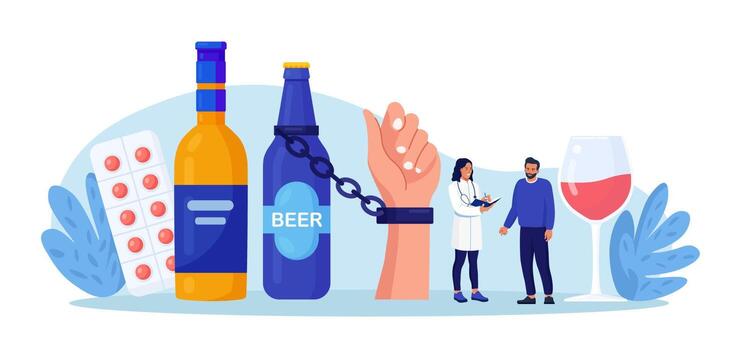
Understanding the Impact of Addiction Addiction is a chronic, compulsive disorder that alters Brain function and behavior, leading to devastating consequences for individuals, families, and Society. It hijacks the brain’s reward system, impairing cognitive function, emotional regulation, And decision-making. Over time, addiction contributes to mental health disorders like depression, Anxiety, and psychosis, making recovery even more challenging. Substance abuse also takes a Heavy toll on physical health. It damages major organs, increases the risk of cardiovascular Diseases, weakens the immune system, and can lead to fatal overdoses. Beyond the individual, Addiction strains relationships, causes workplace difficulties, and fosters social isolation. Stigma And discrimination further compound these challenges, discouraging many from seeking help. What Increases the Risk of Addiction? Several biological, psychological, and environmental Factors heighten susceptibility. Genetics: A family history of addiction significantly increases Risk. Early Exposure: Childhood trauma and adverse experiences can lead to substance use as a Coping mechanism. Mental Health Disorders: Conditions like depression and PTSD often co- Occur with addiction, intensifying dependency. Social Influence: Peer pressure and environments That normalize substance use contribute to addiction vulnerability. Can Risk factors can be Managed or they definitely lead to substance use? Prevention can be possible by early Intervention and education: Early Intervention: Addressing childhood trauma and incorporating School-based prevention programs can reduce risk. Mental Health Support: Therapies for mental Health challenges. Strong Support Networks: Family involvement, peer support groups, and Community-based programs strengthen resilience against addiction. Path to Recovery: Breaking Free from addiction out coming addiction is a possible or its lifetime case?  Medical Detox : medically supervised detox and pharmacological intervention Help manage withdrawal symptoms Therapeutic approaches :evidence based therapy that motivation and the contingency management patient behave will changes healthy life shell changes mindfulness practices vocation training and the structure daily routines support long term recovery. After care and relapse prevention:  Continued support through rehabilitation programs and relapse prevention strategies ensure sustained recovery. Final Thoughts Addiction is a complex but treatable disorder. By understanding risk factors and implementing evidence based interventions , individuals can prevent substance dependence and achieve long term recovery. A combination of medical treatment, psychological support, and community engagement is key to breaking the cycle of addiction and rebuilding a healthier future. Ms Sadia Sikander MS Clinical Psychologist

Uncategorized

Addiction Is Not the End: How Recovery Rebuilds Lives

By Sidra Shehzad PhD Clinical Psychologist Addiction often enters a person’s life quietly but leaves loudly — disrupting health, relationships, careers, and self-worth. For many individuals and families, it feels like a permanent collapse, a point of no return but from a clinical and scientific perspective, addiction is not the end of life’s story. It is a treatable condition. And recovery is not only possible — it is TRANSFORMATIVE. Understanding Addiction Beyond Stigma As a clinical psychologist working in addiction treatment, I have witnessed how deeply stigma distorts our understanding of substance use disorders. Addiction is not a failure of character. It is not a weakness of morals. It is a chronic, relapsing brain disorder involving complex interactions between neurobiology, psychology, environment, and trauma. Substances such as heroin, alcohol, stimulants, and prescription drugs alter the brain’s reward circuitry — particularly the dopamine pathways responsible for motivation and reinforcement. Over time, the brain begins to prioritize substance use as if it were essential for survival. This neurological shift explains why individuals continue using despite severe consequences. It is not a lack of intelligence or values. It is a brain under the influence of altered chemistry. And importantly — the brain can heal. The Science of Recovery Neuroscience has shown us that the brain possesses neuroplasticity — the ability to reorganize and repair itself. With structured treatment that includes: The brain gradually recalibrates. Cravings reduce. Emotional regulation improves. Decision-making strengthens. Recovery is not instant because addiction did not develop overnight. But with consistent, evidence-based intervention, measurable healing occurs. Recovery Is Identity Reconstruction Addiction does more than damage the body — it fragments identity. Many individuals lose confidence, purpose, and self-belief. They begin to define themselves by their addiction rather than their potential. One of the most powerful aspects of rehabilitation is identity reconstruction. In therapy, individuals learn to: Sobriety is the beginning. Self-reconstruction is the transformation. The Psychological Turning Point Clinically, we often observe what patients describe as “rock bottom.” While painful, this stage can become a psychological turning point — a moment where denial breaks and readiness for change emerges. Motivational interviewing and structured rehabilitation models help convert this readiness into sustainable action. Recovery is not built on fear. It is built on awareness, accountability, and support. The Role of Families Addiction affects entire family systems. Patterns of enabling, denial, anger, and guilt often develop unintentionally. Family psychoeducation and therapy are critical components of long-term recovery. When families shift from blame to informed support, outcomes improve significantly. Healing is systemic — not individual. A Message of Hope In my clinical experience, I have seen individuals who once felt completely lost rebuild their lives with strength and dignity. I have seen: Broken relationships restored Careers rebuilt Confidence regained Purpose rediscovered Addiction may interrupt a life, but it does not eliminate its value.Recovery requires courage. It requires professional guidance. It requires time. But it is achievable. The human brain can heal. The human spirit can rebuild. “Addiction is not the final chapter. It is often the beginning of the most powerful transformation a person will ever experience”. Final Reflection If you or someone you love is struggling, know this: Seeking treatment is not a sign of weakness. It is a sign of strength and responsibility. Addiction is not the end, With structured, evidence-based care, recovery rebuilds lives — biologically, psychologically, and socially and rebuilding is always possible.

Uncategorized

Heroin Addiction: From Darkness to Recovery

Heroin does not knock before entering someone’s life. It slips in quietly — sometimes through curiosity, sometimes through pain, sometimes through peer pressure — and slowly takes control. What begins as temporary relief becomes dependency. What feels like escape becomes imprisonment. Heroin is a powerful opioid that alters the brain’s chemistry. It creates an intense sense of euphoria, warmth, and detachment from emotional or physical pain. But this relief is temporary. With repeated use, the brain stops functioning normally without the drug. Tolerance increases. Cravings intensify. The body begins to depend on it                                                  just to feel “normal.” This is not weakness. This is brain chemistry. The Reality Behind the Illusion Many individuals struggling with heroin addiction are not seeking pleasure — they are seeking relief. Relief from trauma. Relief from emotional pain. Relief from hopelessness. Over time, heroin: The most dangerous effect is respiratory depression. An overdose can silence breathing within minutes. But beyond the physical risks, the deeper tragedy is the loss of identity — when a person forgets who they were before addiction. Addiction Is Not a Moral Failure In many societies, including Pakistan, heroin addiction is still viewed as a character flaw. Families hide it. Individuals feel shame. Communities judge. But science tells us something different. Addiction is a chronic, relapsing brain disorder. It changes neural pathways and survival mechanisms. The brain begins to prioritize the substance as if it were essential for survival. No one chooses addiction. But with support, a person can choose recovery. Withdrawal: The Battle Within When heroin use stops, the body protests. Withdrawal symptoms can include: Without professional help, this stage often leads to relapse — not because of weakness, but because of unbearable physical and psychological distress. This is why structured detox and rehabilitation are essential. Recovery Is Possible Recovery is not just about stopping heroin. It is about rebuilding a life. Effective treatment involves: Addiction treatment must address both the brain and the mind. Healing is biological, psychological, emotional, and social. A Message to Families If someone you love is struggling with heroin, do not respond with anger or shame. Respond with awareness and structured action. Early intervention saves lives. Compassion does not mean enabling. It means guiding them toward professional treatment. A Message to Those Struggling If you are battling heroin addiction, know this: Recovery is not instant. It happens in phases. It requires courage, support, and professional guidance. But every step away from heroin is a step back toward yourself. And that journey is worth taking

Uncategorized

Cannabis Use: Myths, Reality, and the Hidden Risks

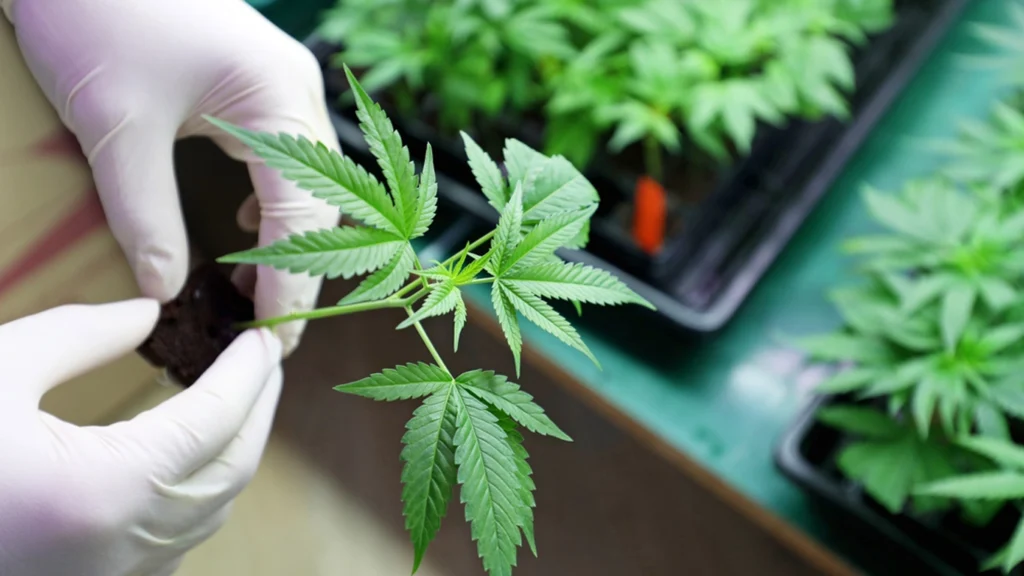
Cannabis—commonly known as charas, bhang, ganja, weed, or marijuana—is often perceived as a “safe” or “natural” substance. In many communities, it is casually used for relaxation, social bonding, or even as a remedy for stress and sleep problems. However, the reality of cannabis use is far more complex than popular myths suggest. The Common Myth: “Cannabis Is Not Addictive” One of the most widespread misconceptions is that cannabis does not cause addiction. In reality, Cannabis Use Disorder (CUD) is a medically recognized condition. Regular and prolonged use can lead to psychological dependence, tolerance, and withdrawal symptoms such as irritability, sleep disturbance, anxiety, reduced appetite, and strong cravings when use is stopped. How Cannabis Affects the Brain Cannabis directly affects the brain’s reward and motivation systems. The active compound THC (tetrahydrocannabinol) alters attention, memory, judgment, and emotional regulation. In adolescents and young adults—whose brains are still developing—long-term use can impair learning, concentration, and decision-making, with effects that may persist even after stopping. Psychological and Emotional Impact While some users report temporary relaxation, chronic cannabis use is strongly linked with: Physical Health Consequences Cannabis smoke contains toxins similar to tobacco smoke. Long-term use may result in: Because the decline is gradual, many users and families fail to recognize the problem until significant damage has already occurred. Is Treatment Necessary? Yes—Cannabis use  interfere with daily functioning, mental health, relationships, or responsibilities, professional_______treatment is essential. Recovery does not mean punishment or moral failure; it is a therapeutic process. Effective treatment includes: The Reality: Recovery Is Possible Cannabis use disorder is treatable, and recovery is achievable with the right support. Early intervention leads to better outcomes and prevents long-term psychological and social consequences. Seeking help is not a sign of weakness—it is a step toward clarity, stability, and a healthier life.

Uncategorized

Stimulant Use in Pakistan: The Hidden Reality

In Pakistan, stimulant use is an increasing but often hidden problem, especially among youth, students, laborers, and professionals facing academic, financial, or work pressure. Commonly used stimulants include ice (crystal meth), cocaine, ecstasy (MDMA), amphetamine tablets, and misuse of prescription medications used for alertness and focus. The Reality Behind Stimulant Use Stimulants create a short-lived sense of energy, confidence, and concentration. However, this is followed by a severe crash—marked by exhaustion, irritability, depression, and intense cravings. With repeated use, the brain becomes dependent on the substance to function, leading to stimulant use disorder. Health and Psychological Impact Chronic stimulant use in Pakistan is increasingly linked to: Social, Legal, and Family Consequences Stimulant dependence leads to academic failure, job loss, financial strain, and family conflict. In Pakistan, possession, use, and trafficking of stimulants are criminal offenses under national narcotics laws, carrying serious legal consequences. Many individuals enter treatment through family intervention or legal referral. Treatment and Recovery Stimulant addiction is a treatable medical and psychological condition. Recovery requires structured psychological treatment, family involvement, and relapse prevention. Early intervention improves outcomes and prevents long-term mental and legal damage. Recovery is possible—and help is available.

Scroll to Top