
Stimulant
Stimulants are substances that increase alertness, energy, attention, and confidence. They are often used to stay awake, enhance performance, or cope with academic, work, or emotional pressure. Common stimulants include cocaine, methamphetamine (ice/crystal meth), amphetamines, ecstasy (MDMA), and misuse of prescription stimulants. While these substances may offer short-term feelings of productivity or euphoria, the long-term reality of stimulant use is far more damaging—both physically and psychologically.
The Common Myth & Brain Effects
- Myth: “Stimulants help you perform better”
- Temporary boost is followed by crash: exhaustion, irritability, low mood, intense cravings
- Brain becomes dependent to function “normally”
- Stimulants flood dopamine & norepinephrine, disrupting natural brain chemistry
- Effects: reduced pleasure without drug, impaired concentration/memory, poor emotional regulation, impulsivity, risk-taking
Psychological & Physical Effects
- Rapid heart rate, high blood pressure, heart attacks
- Stroke and seizures
- Severe weight loss, malnutrition
- Dental damage (“meth mouth”)
- Skin picking, infections, poor wound healing
- High overdose risk, especially with alcohol or other drugs
Social & Functional Decline
- Academic and occupational failure
- Financial problems and risky behaviors
- Breakdown of family and social relationships
- Legal issues and social isolation
- Higher doses needed over time → dangerous cycle of dependence and loss of control
Chronic stimulant
Chronic stimulant use is strongly associated with serious mental health complications, including:
Key Philosophy of This Plan
| Key Philosophy of This Plan |
|---|
| ✔ Patient-centered, not time-centered |
| ✔ Psychiatric + psychological treated together |
| ✔ Dynamic plan — not fixed protocol |
| ✔ Recovery ≠ detox only |
| ✔ Family is part of treatment, not a bystander |
Psychological & Physical Effects
- Severe anxiety and panic attacks
- Aggression, irritability, and mood swings
- Insomnia and extreme restlessness
- Paranoia and suspiciousness
- Hallucinations and stimulant-induced psychosis
- Stimulant-induced psychosis may resemble schizophrenia and persist even after stopping the substance
- Physical Health Consequences (cardiovascular strain, seizures, weight loss, dental issues, skin infections, high overdose risk)
Treatment & Recovery
Effective treatment focuses on both psychological recovery and lifestyle restructuring. Evidence-based treatment includes:
- Comprehensive psychiatric and psychological assessment
- Cognitive Behavioral Therapy (CBT)
- Motivational enhancement therapy
- Family counseling and psychoeducation
- Relapse prevention planning
- Long-term follow-up and support
The Reality: Recovery Is Achievable
With structured treatment, strong support, and professional guidance, individuals can regain mental clarity, emotional stability, and control over their lives. Early intervention significantly improves recovery outcomes and reduces long-term complications.
Seeking help is not failure—it is a commitment to health, dignity, and a better future.
3.On Social & Practical Life
- Strained or broken relationships
- Decline in work performance or academic failure
- Social withdrawal and loss of interest in life
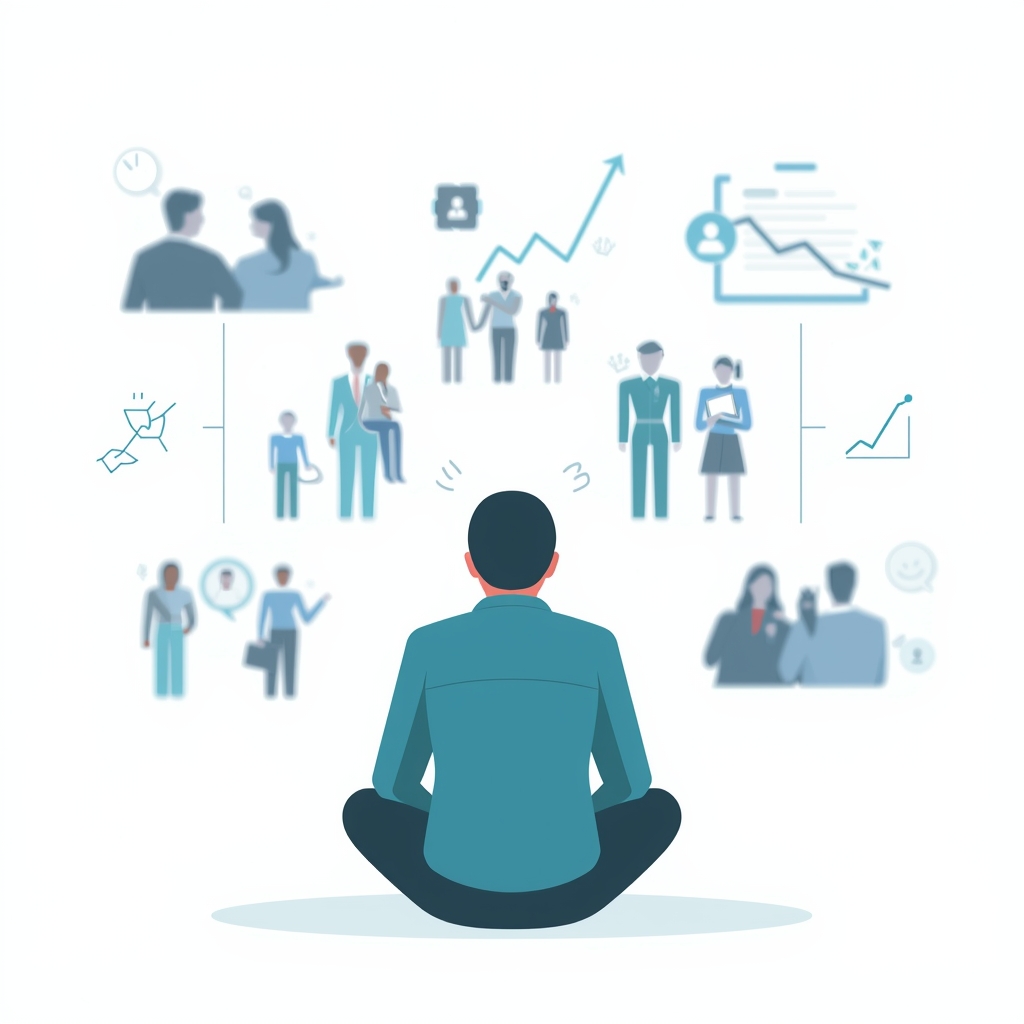
Types of Depression
Understanding the type helps in providing the right treatment.
· Major Depressive Disorder
· Persistent Depressive Disorder (Dysthymia)
· Postpartum Depression: Severe depression
· Depression with Anxiety
· Substance-Induced Depression
- Major Depressive Disorder: Intense, persistent sadness that severely impairs daily life.
- Persistent Depressive Disorder (Dysthymia): A chronic, long-term form of depression with milder but enduring symptoms.
- Postpartum Depression: Severe depression in mothers following childbirth, beyond typical “baby blues.”
- Depression with Anxiety: A common combination where feelings of sadness coexist with constant worry, restlessness, and fear.
- Substance-Induced Depression: Depression triggered or worsened by the use of drugs, alcohol, or certain medications.

Depression is Treatable: Recovery is Possible
Yes. Depression is a treatable medical condition. With timely and proper professional care, individuals can recover and regain their quality of life. Recognizing it is the first and most crucial step toward healing.
Our Treatment Approach at Umeed-e-Shifa
At Umeed-e-Shifa Drug & Psychological Rehab Center, we provide structured, ethical, and confidential treatment tailored to each individual’s needs, focusing on holistic recovery.
Our Treatment Process Includes:
- Comprehensive Psychological Assessment to understand the root causes and symptoms.
- Individual Psychotherapy using evidence-based approaches like CBT (Cognitive Behavioral Therapy).
- Family Counseling to build a stronger support system.
- Medication Support under careful psychiatric supervision, if needed.
- Stress Management & Lifestyle Guidance for long-term well-being.
- Follow-Up & Relapse Prevention Planning to sustain recovery.
Remember: Depression is not “kamzori” (weakness). It is a health condition—and conditions can be treated.
Umeed-e-Shifa is here to help you heal.