
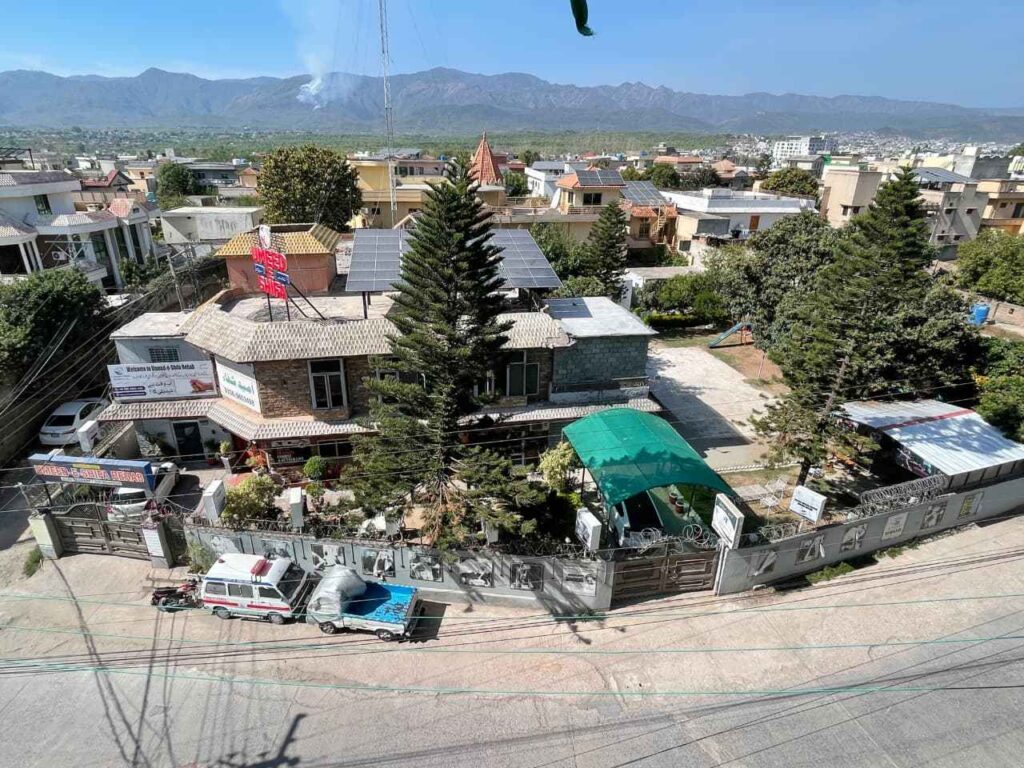
Umeed e Shifa: The Addiction Treatment Center Islamabad Families Count On
Your brother agreed to get help. After months of broken promises and sleepless nights, he finally said yes. Now you need a place that won’t waste that fragile willingness. Somewhere with real doctors, not untrained attendants. Somewhere that treats addiction as a medical condition, not a moral failure. Somewhere that answers the phone at 2 a.m.
Umeed e Shifa rehab center has built its reputation on being that place. As an addiction treatment center Islamabad families return to, it provides medically supervised detox, psychological rehabilitation, and long-term aftercare under one roof, with a multidisciplinary team that includes qualified psychiatrists, clinical psychologists, and trained addiction counsellors.
This guide explains what makes Umeed e Shifa different, what treatment involves, what it costs, and what to expect when you walk through the doors. No empty promises. Just the information you need to make a decision that holds.
Why Umeed e Shifa Is the Best Drug Rehabilitation Center in Islamabad
Addiction treatment fails for two reasons: the facility isn’t equipped, or the family isn’t involved. Umeed e Shifa addresses both.
The centre operates with a registered medical team. A psychiatrist oversees every case. Clinical psychologists deliver one-on-one therapy. Addiction counsellors run group sessions and family programmes. This is not a centre where patients sit idle and wait for willpower to arrive. It’s a structured, evidence-based programme rooted in cognitive behavioural therapy, medication-assisted treatment where appropriate, and a deep understanding that addiction is a chronic brain condition requiring medical management.
What families notice first is the transparency. There is no vague pricing, no hidden fees, and no refusal to let you see the facility. The team provides a written treatment plan before admission, walks you through the detox protocol, and explains the therapy schedule in plain language. For a family in crisis, that clarity is worth more than any luxury feature.
The centre also treats dual diagnosis cases. When addiction coexists with depression, anxiety, or trauma, treating only the substance use guarantees relapse. Umeed e Shifa’s integrated approach means the psychiatrist manages both the addiction and the underlying psychiatric condition from day one.
The Treatment Programme at Umeed e Shifa
Treatment follows a clear structure. No guesswork. No experimental methods.
The first stage is medical detoxification. Under 24-hour supervision, the patient clears the substance from their body while medications manage withdrawal symptoms. Opioid withdrawal causes severe muscle pain, diarrhoea, vomiting, and insomnia. Alcohol withdrawal can be life-threatening. Attempting this at home is both painful and dangerous. At Umeed e Shifa, vital signs are monitored continuously, and medication protocols are adjusted based on how the patient responds.
The second stage is active rehabilitation. Once the acute withdrawal phase passes, the psychological work begins. Individual cognitive behavioural therapy sessions help the patient understand the triggers that drove their addiction. Group counselling connects them with others facing the same struggle. Family therapy begins to repair the damage addiction caused at home. The programme runs 30 to 90 days depending on the severity of the addiction and the presence of any co-occurring conditions.
For families considering a shorter stay, the centre offers a 30 day detox program Pakistan that covers medical stabilisation and the initial phase of psychological treatment. For moderate to severe addiction, particularly involving heroin, methamphetamine, or long-term alcohol use, the full programme produces significantly better outcomes.
The third stage is aftercare. A patient who leaves rehab is medically stable but psychologically vulnerable. If they walk back into the same environment with no support, relapse is almost certain. Umeed e Shifa builds an aftercare plan before discharge that includes scheduled outpatient sessions, a written relapse prevention strategy, and family agreements about boundaries and accountability. The team stays connected long after the residential programme ends.
What Treatment Costs at Umeed e Shifa
The cost of treatment depends on programme length, accommodation level, and medical complexity. What sets Umeed e Shifa apart is the transparency. The team provides a written cost breakdown before admission. No hidden charges. No surprise fees halfway through the programme.
Private rehab in Islamabad typically ranges from PKR 80,000 to PKR 300,000 for a 30-day stay. Umeed e Shifa offers programmes across that spectrum, with fees reflecting the level of medical staffing and therapy intensity required. A family member can call the centre directly to discuss the specific needs of the patient and receive a clear quote.
Verify current pricing directly with the centre before committing. The fact that they provide a written breakdown without hesitation is itself a trust signal.
What to Expect When You Walk Through the Doors
The first contact is usually a phone call. A family member explains the situation. The admissions team asks about the substance, the duration of use, any previous treatment attempts, and any known mental health conditions. This call determines whether Umeed e Shifa is the right fit and what level of care is needed.
Once admitted, the patient undergoes a comprehensive medical and psychiatric assessment. The psychiatrist evaluates the severity of dependence and screens for co-occurring conditions. The clinical team then develops an individualised treatment plan.
The environment is structured. Wake-up times, meals, therapy sessions, group activities, and rest periods are all scheduled. This structure is deliberate. Addiction destroys routine. Rebuilding a predictable daily rhythm is part of the recovery process.
Family involvement is expected, not optional. The centre runs family therapy sessions because addiction doesn’t happen in isolation, and recovery doesn’t either. Families learn how to support without enabling, how to set boundaries without pushing the person away, and how to recognise the early signs of relapse.
Seven Questions to Ask Before Admitting a Family Member
If you’re considering Umeed e Shifa, or any rehab centre, walk in with these questions. A legitimate facility answers every one.
- Who will manage the medical detox, and is there a qualified doctor on-site at all times?
- How many individual therapy sessions does the patient receive each week?
- Does the centre treat dual diagnosis, and is there a psychiatrist on the team?
- What does the family therapy programme include, and how often are sessions held?
- Can I see the treatment plan in writing before admission?
- What happens if the patient wants to leave against medical advice?
- What does the aftercare programme look like, and how long does it last?
At Umeed e Shifa, these questions are welcomed. If a facility deflects them, walk away.
Finding the best drug rehabilitation center in Islamabad is not about the biggest building or the flashiest website. It’s about medical competence, transparency, and a programme that holds up long after discharge. Umeed e Shifa rehab center delivers that. A registered medical team. Structured treatment from detox through aftercare. Family involvement at every stage. Clear pricing with no hidden costs.
If someone you love is ready to accept help, don’t let that moment pass. Call Umeed e Shifa. Ask the hard questions. Visit the facility. Meet the psychiatrist. The right treatment, started at the right time, changes everything.
FAQ Section
What makes Umeed e Shifa the best addiction treatment center Islamabad?
Umeed e Shifa combines a registered medical team led by a qualified psychiatrist with evidence-based therapy, structured detox, and comprehensive aftercare. The centre treats both addiction and co-occurring mental health conditions, and involves families throughout the process.
How long does treatment at Umeed e Shifa take?
Programmes range from 30 to 90 days depending on the substance, severity of addiction, and any co-occurring conditions. Medical detox lasts 7 to 14 days. Active rehabilitation follows. Longer programmes produce better outcomes for moderate to severe addiction.
What does treatment cost at Umeed e Shifa rehab center?
Costs vary by programme length and medical complexity. The centre provides a written cost breakdown before admission with no hidden fees. Contact Umeed e Shifa directly to discuss the patient’s needs and receive a clear quote.
Does Umeed e Shifa treat heroin and opioid addiction?
Yes. The centre provides medically supervised detox for opioid dependence, manages withdrawal symptoms with appropriate medication protocols, and follows detox with psychological rehabilitation and relapse prevention planning.
Is Umeed e Shifa registered and licensed?
Yes. Umeed e Shifa operates with a registered medical team including qualified psychiatrists and clinical psychologists. Families are encouraged to verify the centre’s credentials directly before admission.
Does Umeed e Shifa offer a 30-day detox programme?
Yes. The 30 day detox program Pakistan covers medical stabilisation and the initial phase of psychological treatment. For more severe or long-standing addiction, a longer programme is recommended for the best outcomes.
What happens after the residential programme ends?
Umeed e Shifa builds a written aftercare plan before discharge, including scheduled outpatient therapy sessions, a relapse prevention strategy, and family support agreements. The team maintains contact with patients after they leave.
How do I admit a family member to Umeed e Shifa?
Call the centre directly. The admissions team will ask about the substance, duration of use, previous treatment, and any mental health conditions. A comprehensive medical and psychiatric assessment follows admission.
Does Umeed e Shifa involve families in treatment?
Yes. Family therapy is a core part of the programme. Families attend scheduled sessions, learn how to support recovery without enabling, and receive guidance on setting healthy boundaries.
What if the patient refuses treatment?
Call Umeed e Shifa to discuss the situation. The admissions team can provide guidance on how to approach a resistant family member. While adults cannot be forced into treatment unless they pose immediate danger, families can create conditions that make treatment more likely.